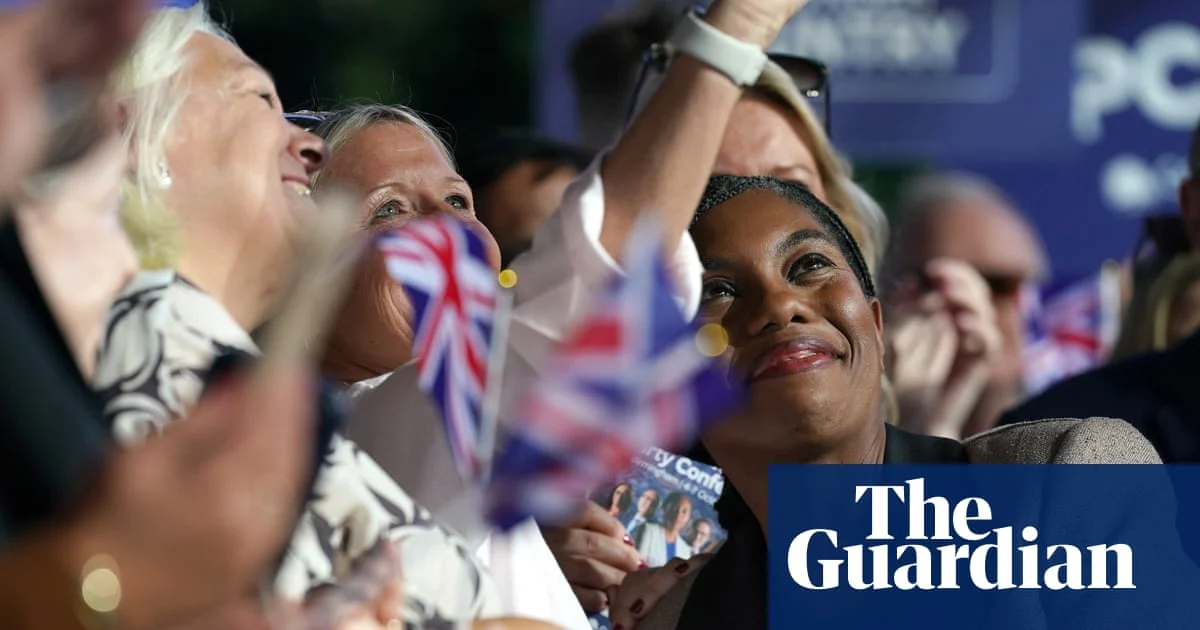
Conservative Party members are rallying behind Kemi Badenoch amid growing calls from MPs to pivot toward economic messaging over divisive culture wars if they hope to win back voters. During a recent Q&A session at the party conference, Badenoch fielded questions about internal divisions, including a pointed question about choosing between Robert Jenrick and Suella Braverman, to which she replied with characteristic bluntness.
The party’s unity contrasts with ongoing infighting among Brexit-aligned figures and Reform UK leader Nigel Farage, whose challenges have created cautious optimism among some Tories who believe a refocus on economic policy could help recover lost ground.
Key Facts
- The Conservative Party is reportedly united behind Kemi Badenoch following her leadership.
- Some Conservative MPs argue the party should prioritize the economy over culture wars to recapture voter support.
- Nigel Farage’s struggles have reportedly given some Tory insiders reason to hope for electoral gains.
- Badenoch recently described being asked to choose between two prominent Tories as akin to choosing between being shot or drowned.
What Does Unity Mean for the Tories?
Party unity behind Badenoch marks a shift from earlier turbulence within the Conservative ranks. Her direct response during the conference Q&A underscores both her willingness to engage publicly and the sensitivity around naming favorites or taking sides in factional battles. This approach may be designed to project strength and cohesion ahead of future electoral contests.
By avoiding explicit endorsements of either Jenrick or Braverman, Badenoch signals a desire to maintain neutrality while navigating competing factions within her own party. For readers following [politics](/politics) developments, this stance reflects an attempt to stabilize leadership amid lingering tensions.
How Can the Economy Replace Culture Wars?
As calls grow for the Tories to emphasize fiscal responsibility and economic recovery, they face the challenge of redefining their message without abandoning core principles. A renewed focus on jobs, inflation, and public services might resonate more broadly than debates around immigration or gender politics.
For observers tracking [economy and markets](/economy-markets), any such pivot would need to balance traditional conservative values with practical governance solutions. The effectiveness of this strategy remains untested, especially given how deeply embedded cultural issues have become in modern British politics.
What Happens Next?
Little indication has emerged regarding formal policy shifts, but internal discussions suggest momentum is building toward prioritizing economic themes. Whether Badenoch adopts this new posture formally will likely depend on feedback from grassroots members and regional candidates preparing for local elections.
Meanwhile, continued pressure from dissenting voices—including those aligned with Farage—could test how effectively the Conservatives manage dissent while presenting a united front externally.
What We Know — and What We Don’t
Verified by the source:
- Badenoch leads the Conservative Party conference session.
- MPs want greater emphasis on the economy versus culture war topics.
- Some insiders see opportunity due to difficulties faced by Nigel Farage.
Still unconfirmed:
- Exact timing or mechanisms for shifting party focus.
- Whether Badenoch plans to make economic themes central to future speeches.
- Internal polling or data supporting beliefs about voter sentiment changes.
Why It Matters
In democratic systems where voter trust hinges on clear positioning, the ability of opposition leaders to adapt messaging can determine electoral fortunes. Should the Conservatives successfully reframe their platform around economic concerns, it might offer a blueprint for other center-right movements seeking broader appeal beyond ideological extremes.
What To Watch
Watch for official statements from the Conservative Party outlining updated priorities, particularly ahead of upcoming parliamentary sessions or election cycles.