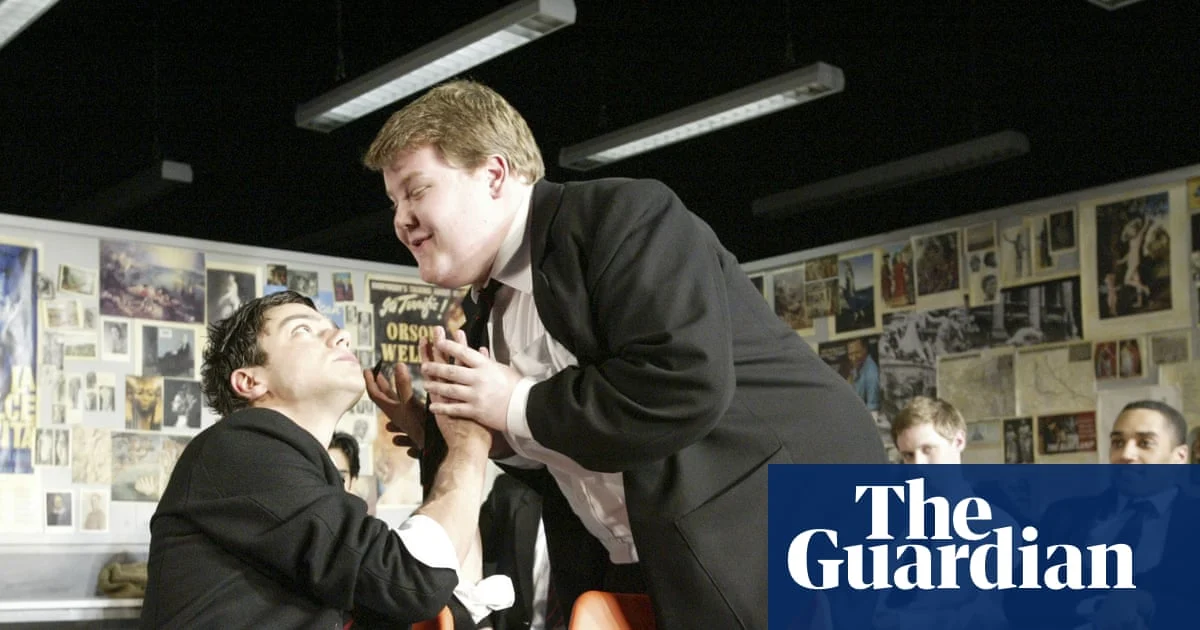
LONDON — The History Boys is set to return to the West End for the first time in twenty years, reviving a production that examines the value of literature and history in education.
The revival, directed by Nicholas Hytner, who also helmed the original 2004 National Theatre staging and its 2006 film adaptation, comes amid ongoing discussions about curriculum priorities in schools. Hytner warned of an ‘almost terminal decline’ in humanities teaching within state schools, calling the play’s themes more relevant than ever.
KEY FACTS
- The History Boys will return to the West End after 20 years.
- Nicholas Hytner will direct the revival, repeating his role from the original production.
- The play explores themes of education, history, and the value of literature.
- Hytner described a decline in humanities teaching in state schools.
- The revival follows renewed national debate over school curricula.
THE STORY
What happens next?
While no official dates or venue details have been announced, industry insiders expect the production to debut later this year or early next. Previews may begin once casting is finalized and rehearsals commence. Tickets are likely to sell quickly given the play’s enduring popularity and cultural significance.
The original run at the National Theatre in 2004 was a landmark moment in British theatre. It transferred to Broadway and was later adapted into a film, earning widespread critical acclaim. The story centers on a group of students preparing for university entrance exams, guided by unconventional teachers who challenge conventional thinking.
Who is affected?
The revival reignites conversations around the role of arts and humanities in formal education. Hytner’s comments underscore growing concern among educators and cultural leaders that reduced emphasis on subjects like literature, history, and philosophy may impact critical thinking skills and creativity among young people.
State schools have faced increasing pressure to prioritize STEM disciplines and measurable outcomes, often at the expense of creative subjects. The return of The History Boys offers a timely reflection on these tensions, reminding audiences why storytelling and interpretation remain essential tools for understanding society.
How did we get here?
The History Boys premiered at the National Theatre under Hytner’s direction in 2004 before moving to Broadway and inspiring a film version released in 2006. Written by Alan Bennett, the work has become a touchstone for discussions about pedagogy, intellectual curiosity, and the intersection of personal growth with institutional structures.
Bennett’s script combines humor with sharp critique, portraying both student ambition and faculty idealism. Over the past two decades, debates over educational reform—including funding cuts, exam-focused teaching, and shifting government priorities—have intensified. This revival arrives as policymakers continue weighing the balance between practical skills and liberal arts.
WHAT WE KNOW — AND WHAT WE DON’T
Verified by the source:
- The History Boys is returning to the West End after twenty years.
- Nicholas Hytner will direct the new production.
- Themes include education, history, and literature.
- Hytner cited concerns over humanities teaching in state schools.
- The revival coincides with renewed public discourse on school curricula.
Still unconfirmed:
- Exact dates and venue for the West End run.
- Full cast details or audition process.
- Ticket prices or availability information.
- Official confirmation from the National Theatre or producers.
- Extent of curriculum changes prompting the renewed debate.
WHY IT MATTERS
The return of The History Boys is not merely a theatrical event but a cultural commentary on the evolving landscape of education. As governments worldwide grapple with budget constraints and competing academic priorities, performances like this serve as reminders of the enduring power of art to shape identity and foster empathy. For students and teachers alike, the play stands as a symbol of resistance against narrow definitions of success in learning environments increasingly driven by metrics rather than meaning.
WHAT TO WATCH
Further announcements regarding casting, scheduling, and booking procedures are anticipated soon. Stakeholders in education policy should also monitor how this revival influences forthcoming reviews of the national curriculum and funding allocations for arts programs.