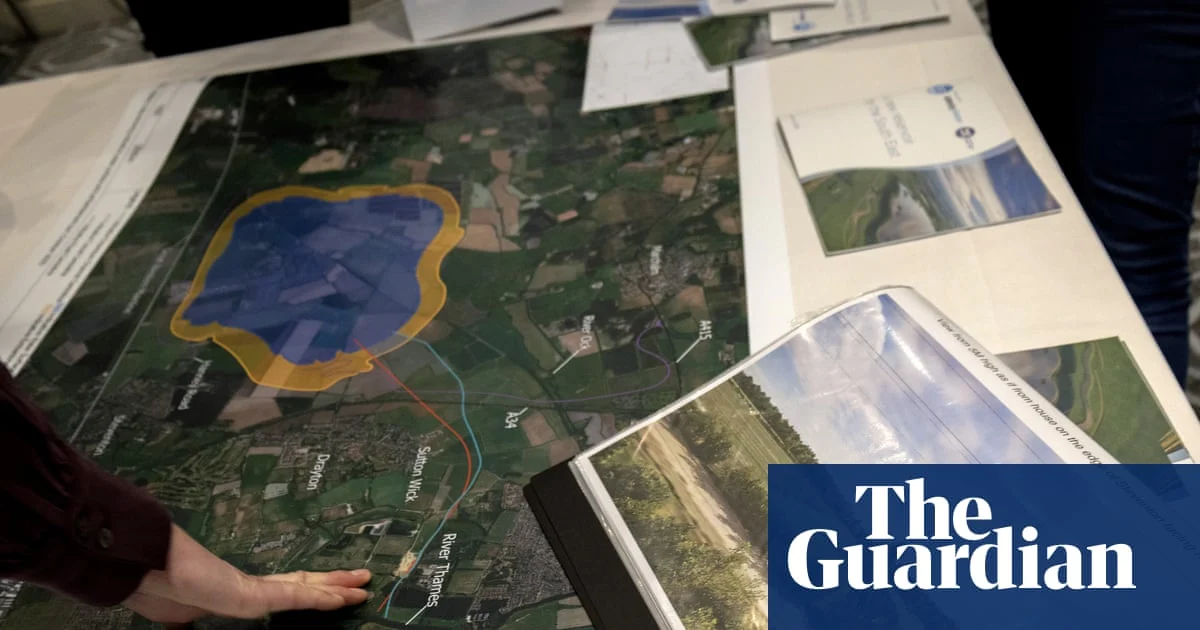
Thames Water has reworked its planned 150bn-litre above-ground reservoir in Oxfordshire, launching a new public consultation as the utility seeks regulatory approval amid local opposition to the mega-reservoir plan. The White Horse project, which would span 6.7 square kilometres near Abingdon, is part of the company’s strategy to secure water supplies, though it faces pushback from residents and environmental groups concerned about its scale and impact.
The revised blueprint reflects Thames Water’s attempt to balance infrastructure needs with community concerns, as it continues to struggle financially while trying to convince regulators that construction should proceed despite warnings of “catastrophic consequences” if the scheme is delayed or blocked.
Key Facts
- Thames Water has redrawn plans for a 150bn-litre reservoir in Oxfordshire.
- The revised mega-reservoir plan is part of a new public consultation.
- The reservoir would be located near Abingdon.
- The project is above-ground and named the White Horse scheme.
- The reservoir would cover 6.7 sq km — nearly the size of Gatwick Airport.
What happens next?
The newly opened public consultation will gather feedback on the updated mega-reservoir plan, which could influence whether regulators grant Thames Water permission to begin construction. If approved, the White Horse reservoir would become one of the largest above-ground water storage facilities in the UK, designed to help address long-term water shortages in the region. However, ongoing local opposition and concerns about environmental impact may delay the process. Thames Water is under increasing pressure to deliver reliable infrastructure while managing its financial challenges, and approval of this project would represent a significant milestone. Regulators will weigh community input alongside the utility’s projections before making a final decision. The outcome could set a precedent for future water infrastructure developments across the country.
Who is affected?
Local residents and communities near Abingdon are directly impacted by the proposed mega-reservoir plan, as changes to the layout and scale affect land use and daily life. Environmental groups are also key stakeholders, scrutinising the ecological implications of constructing a large above-ground reservoir in the area. Farmers and landowners may face compulsory purchase orders if the project proceeds. On a broader level, consumers across southern England could benefit from increased water security if the reservoir comes online, though they might also bear the cost through higher bills. Thames Water itself is under scrutiny, as its ability to deliver the project safely and affordably will influence public trust and regulatory confidence. The company’s financial instability adds another layer of concern for all parties involved in the mega-reservoir plan.
How did we get here?
Thames Water first proposed the White Horse reservoir as part of a wider effort to address projected water shortages in the Thames Valley and surrounding regions. Initial plans sparked controversy due to the sheer size of the above-ground reservoir and its potential impact on the local landscape. Over time, sustained opposition from residents, councils, and conservation bodies forced the utility to reassess its approach. In response, Thames Water reworked elements of the mega-reservoir plan, hoping to reduce disruption while still meeting national water demand. The latest public consultation follows earlier rounds of engagement and technical reviews. Despite ongoing financial pressures, the company maintains that the project is critical to ensuring long-term resilience in the UK’s water supply system.
What We Know — and What We Don’t
Verified by the source:
- A new public consultation has opened on the White Horse reservoir scheme.
- Thames Water has amended the blueprint of the planned reservoir.
- The reservoir is designed to hold 150 billion litres of water.
- It will be situated near Abingdon in Oxfordshire.
- The reservoir would cover approximately 6.7 square kilometres.
Still unconfirmed:
- The exact timeline for regulatory approval or construction commencement.
- Specific details of the changes made to the original mega-reservoir plan.
- Names of individuals or officials involved in the consultation process.
- The precise cost implications for consumers or the company.
- Whether the project has secured any formal planning permissions.
Why It Matters
This revised mega-reservoir plan sits at the intersection of climate resilience, infrastructure investment, and community rights. As droughts become more frequent and demand grows, securing adequate water supplies is critical. Yet the scale of such projects often divides opinion, especially when they reshape rural landscapes. The outcome of this consultation could influence how major utilities navigate both environmental obligations and public sentiment in future developments.
What To Watch
Updates on the public consultation response and any subsequent decisions from regulators will determine whether the mega-reservoir plan moves forward, faces further revision, or is abandoned entirely.