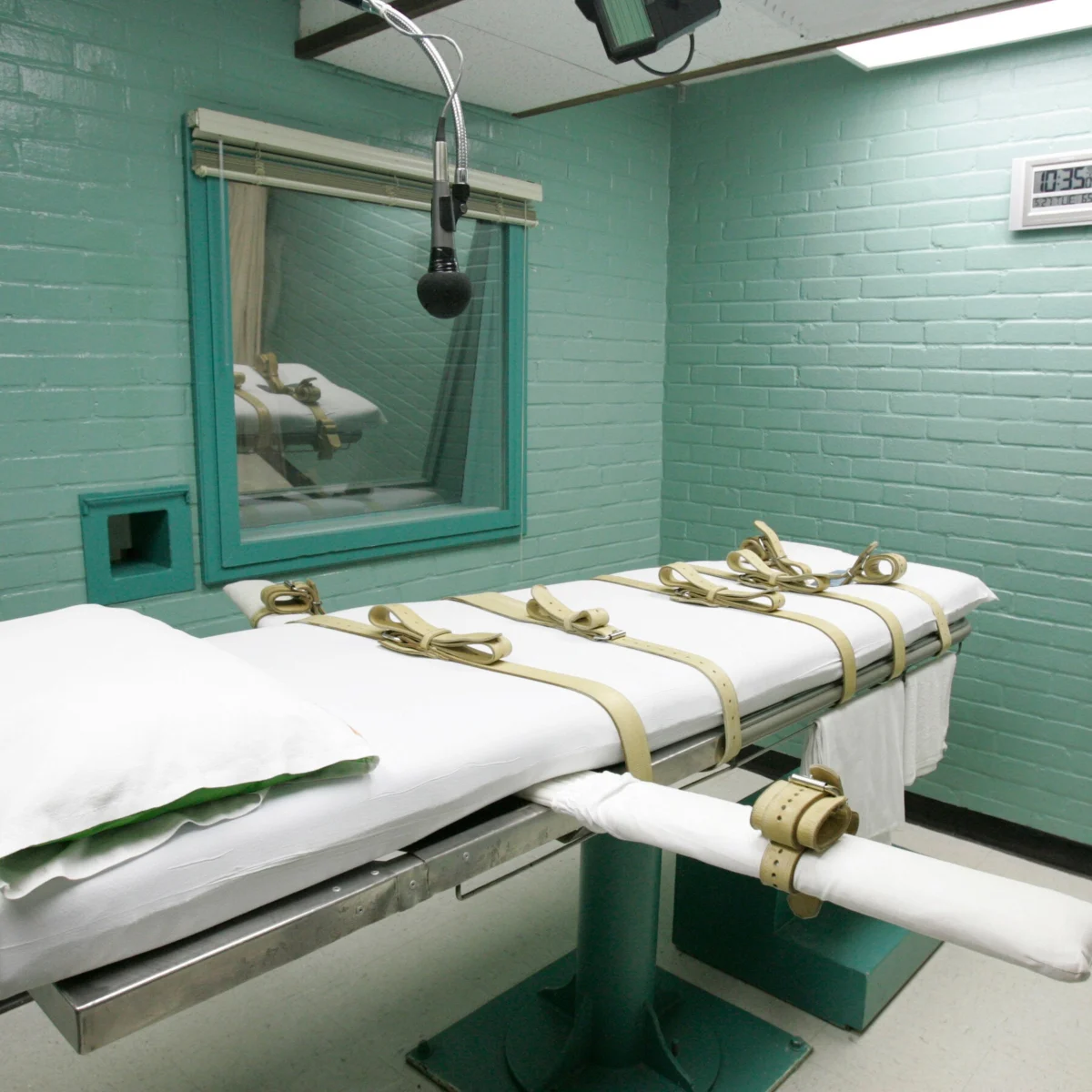
Texas is moving forward with an execution that will use a lethal injection drug previously linked to a failed attempt in Tennessee. The case has drawn attention to ongoing concerns surrounding the administration of capital punishment and the drugs used in the process.
Jamaal Howard’s legal team is requesting more information about the specific lethal injection drug tied to the Tennessee incident, underscoring questions about transparency and safety protocols. Texas officials have not publicly detailed their response to the requests or confirmed additional steps taken.
Key Facts
- Texas plans an execution after a botched lethal injection in Tennessee.
- Howard’s lawyers are seeking details about the same lethal injection drug used in Tennessee.
- The drug was involved in Tennessee’s failed attempt last week.
- No independent verification of Texas’s full timeline or protocol decisions.
- Legal teams continue requesting information on drug sourcing and usage.
What This Means for Executions and Drug Oversight
The intersection of Texas’s planned execution and Tennessee’s recent failure highlights ongoing national debates over the reliability and ethics of lethal injection drugs. Legal experts note that repeated complications in executions often trigger legal reviews and renewed calls for reform of drug protocols. This case illustrates how a single failed attempt can ripple across state lines, affecting public trust and raising procedural questions in other jurisdictions. For now, advocates on multiple sides of the death penalty debate are watching closely for any changes in policy or transparency requirements.
How We Got Here
The use of specific pharmaceutical compounds in executions has been increasingly contentious in recent years, with some manufacturers refusing to supply drugs for use in capital cases. Tennessee’s failed attempt last week intensified scrutiny on the efficacy and sourcing of these medications. Following that incident, Jamaal Howard’s lawyers turned their attention to Texas, where an execution is now set using what appears to be the same or similar drug. This overlap has created a broader conversation about whether states should pause executions until further testing or alternative protocols are established. Courts and lawmakers have yet to issue unified guidance, leaving each case situation-dependent.
What We Know — and What We Don’t
Verified by the source:
- Texas is planning an execution.
- Howard’s lawyers are seeking information about the lethal injection drug.
- The drug was used in Tennessee’s failed attempt last week.
- NYT > Top Stories reported the connection between the two cases.
Still unconfirmed:
- The exact name and batch number of the lethal injection drug.
- Whether Texas will proceed regardless of Howard’s request.
- Statements from Texas or Tennessee officials regarding protocol changes.
- Any medical evaluation confirming the drug’s effectiveness or risks.
- The scheduled date or location of the planned execution.
Why It Matters
This development adds momentum to an already polarizing debate over capital punishment procedures in the American justice system. As public confidence wavers amid reports of failed executions, pressure mounts on states to justify their methods and ensure greater oversight of drug administration practices.
What To Watch
Future court filings may determine whether Texas moves forward as scheduled. Updates from legal representatives or corrections departments could confirm or delay the planned procedure.