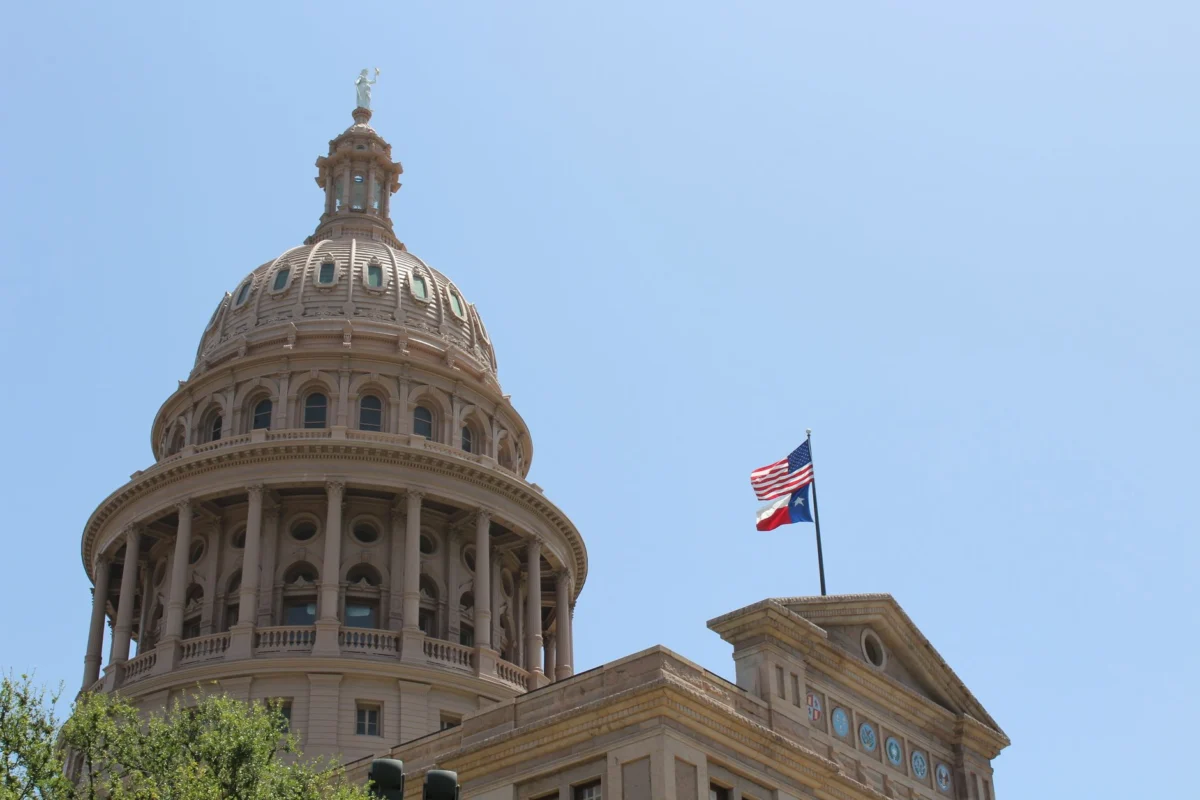
Texas Governor Greg Abbott has ordered a halt to all state-issued permits for new data centers until a full audit of the state’s electrical grid is completed.
The move targets the rapidly expanding data center sector, which consumes substantial electricity and has raised alarms among energy regulators about potential strain on Texas’s power infrastructure.
Governor Abbott announced the suspension directly tied to an ongoing review of grid capacity and reliability, though no timeline for completion of the audit or resumption of permits was provided.
KEY FACTS
- Governor Abbott halts all Texas state-issued data center permits.
- Suspension lasts until a grid audit is finished.
- Audit focuses on Texas electrical grid capacity and reliability.
- Data center industry is high electricity consumer.
- No permit approvals will occur during the audit period.
THE STORY
What happens next?
State agencies will pause processing of all pending and future applications for data center construction permits while the Public Utility Commission conducts the audit. Companies that had already submitted paperwork for large-scale facilities now face indefinite delays, with no clear guidance on when new approvals might resume. The governor’s office indicated that findings from the review will determine whether additional regulatory steps are needed before lifting the moratorium.
Industry groups have expressed concern about the economic fallout, noting that hundreds of projects valued in the billions of dollars may be affected. However, energy experts have warned that unchecked growth in electricity demand—particularly from energy-intensive server farms—could destabilize the grid if not carefully managed.
Analysts say the pause reflects broader national tensions over balancing economic growth with infrastructure resilience, especially as tech companies seek to expand operations in states with fewer energy restrictions.
Who is affected?
All entities seeking new data center permits from Texas state agencies are impacted, including major cloud service providers, cryptocurrency mining operations, and smaller tech firms planning regional facilities. These organizations were already navigating a competitive landscape where Texas offered relatively streamlined permitting compared to other states. Now they must wait for regulatory clarity tied to the outcomes of the grid audit.
State employees handling permit applications are also affected, as their workflows have shifted toward administrative freeze protocols. Meanwhile, local communities hoping for job creation tied to these projects may see delays in anticipated employment gains.
Looks Like a Slow Year for Data Centers as Energy Demands Surge — For now, stakeholders across the energy and technology sectors are watching closely for signals about when normal operations can resume.
WHAT WE KNOW — AND WHAT WE DON’T
Verified by the source:
- Governor Abbott has suspended all state-issued data center permits.
- The suspension is contingent upon completion of a grid audit.
- The audit evaluates Texas’ electrical grid capacity and reliability.
Still unconfirmed:
- Exact duration of the permit suspension.
- Naming of specific commission or agency leading the audit.
- Number of delayed or canceled projects due to the freeze.
WHY IT MATTERS
This development signals increasing scrutiny over how energy consumption aligns with infrastructure readiness, especially in Texas, which operates one of the largest independent grids in the U.S. As demand surges from digital services reliant on data processing, policymakers must weigh innovation against stability.
Tech and energy sectors nationwide are feeling pressure to balance growth with sustainability, making this decision a bellwether moment for future policy decisions around power allocation and economic development.
What to watch:
Stakeholders should monitor official communications from the Public Utility Commission regarding audit progress and any preliminary recommendations that may influence long-term regulatory frameworks governing energy use by tech infrastructure.
Any formal announcements extending or modifying the current restrictions would mark pivotal moments signaling broader shifts in energy governance within Texas.