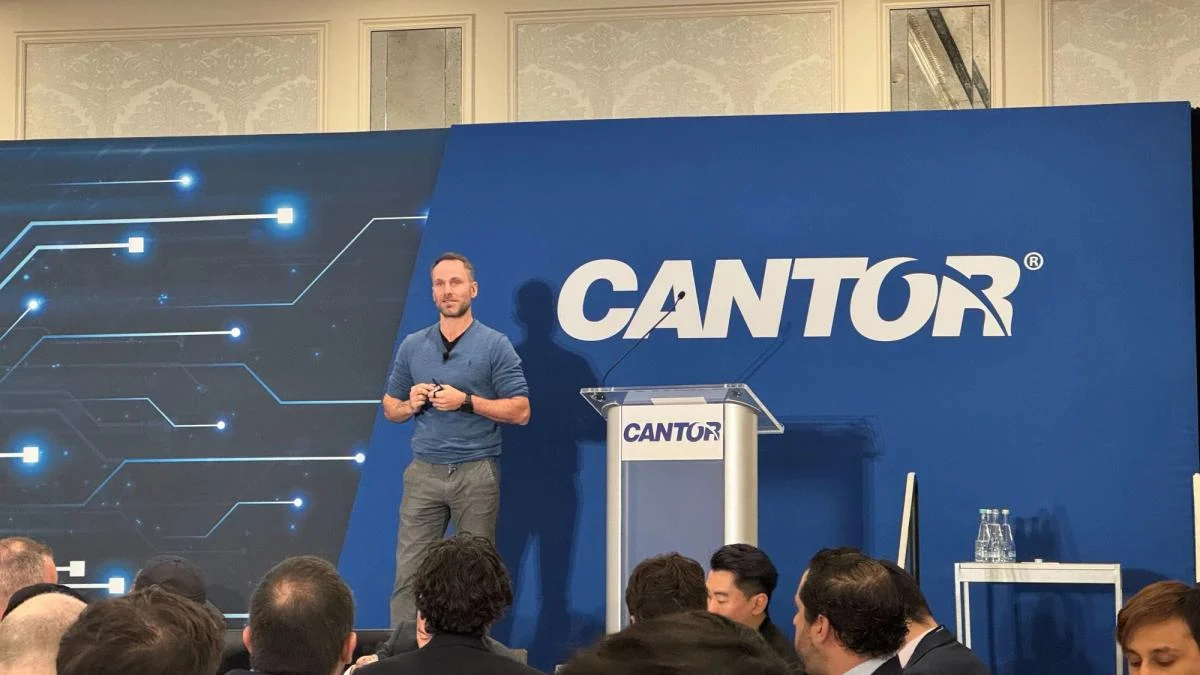
Tether CEO Paolo Ardoino has pushed back against a U.S. senator’s investigation into the stablecoin issuer’s role in Iran’s financial activity, saying the inquiry overlooked efforts that led to lower Iran-related transaction volumes. Ardoino made the defense as lawmakers scrutinize whether Tether’s USDT stablecoin has enabled financial activity in sanctioned regions. The stablecoin issuer has repeatedly argued that its compliance measures and blockchain analytics have helped reduce exposure to high-risk jurisdictions, including Iran.
Key Facts
- Tether CEO Paolo Ardoino defended the firm against a senator’s investigation.
- Ardoino said the inquiry missed positive work reducing Iran volumes.
- Accusations claim Tether stablecoins fueled financial activity in Iran.
- The investigation focuses on potential sanctions evasion via stablecoins.
What the Investigation Targets
The senator-led investigation centers on whether Tether’s USDT stablecoin has facilitated financial transactions in Iran, a country subject to U.S. economic sanctions. Lawmakers have expressed concern that stablecoins could be used to bypass traditional banking restrictions, allowing prohibited financial activity to persist undetected. Tether has faced ongoing scrutiny from regulators over its transparency and reserve backing, and Iran’s inclusion in those discussions reflects broader concerns about digital assets enabling sanctions evasion. Ardoino’s response suggests the company believes its actions have mitigated rather than increased such risks. The outcome may influence future regulatory treatment of stablecoin issuers operating globally.
How Tether Responded
Ardoino argued that the senator’s investigation overlooked positive contributions made by Tether’s compliance efforts, particularly those aimed at reducing Iran-related stablecoin volumes. He implied that monitoring tools and policy adjustments had helped limit exposure in high-risk regions. Tether has not provided detailed evidence to support these claims, but the company has previously highlighted partnerships with blockchain analytics firms to detect suspicious activity. Critics remain skeptical, noting that stablecoins can still move across borders with limited oversight. This exchange underscores growing tension between innovation in digital finance and national security concerns. The debate continues as governments weigh financial inclusion against sanctions enforcement.
What We Know — and What We Don’t
Verified by the source:
- Paolo Ardoino is Tether’s CEO and made public comments defending the firm.
- A U.S. senator launched an investigation into Tether’s activities related to Iran.
- The summary confirms Ardoino said the investigation missed positive work on Iran volumes.
Still unconfirmed:
- Which senator initiated the investigation or when it began.
- Specific metrics showing a decrease in Iran-related stablecoin volumes.
- Whether Tether provided concrete data to substantiate Ardoino’s claims.
Why It Matters
This clash highlights mounting regulatory pressure on stablecoin issuers, whose global reach complicates efforts to enforce economic sanctions. For readers following [trading-crypto] trends or [economy-markets] policy shifts, the case signals that compliance and transparency will become central to surviving future oversight.
What To Watch
Regulators may release further details on the investigation’s scope, while Tether could offer additional documentation to support its compliance claims. Stay tuned for follow-up reporting on how this dispute shapes upcoming stablecoin legislation.