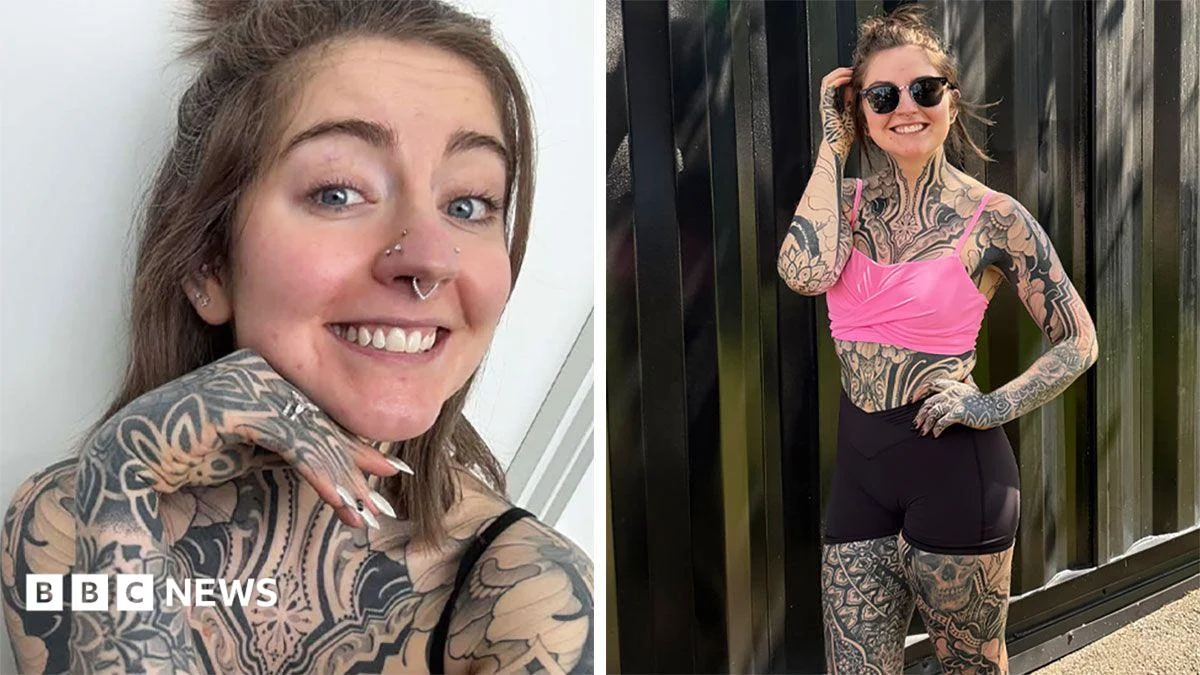
Approximately 25% of the UK population, including the country’s new prime minister, has at least one tattoo, but workplace perceptions of body art vary widely. As tattoos become more prevalent, their acceptance in professional environments remains uncertain.
The growing number of tattooed individuals raises questions about workplace discrimination and shifting cultural norms around personal expression. While some industries embrace visible tattoos, others maintain strict appearance policies that could impact hiring decisions.
Key Facts
- 25% of UK residents have at least one tattoo
- The new UK prime minister reportedly has tattoos
- Workplace opinions on tattoos remain divided
- No specific data provided on actual hiring discrimination
How Common Are Workplace Tattoo Policies?
Many UK organizations maintain dress codes that restrict visible tattoos, particularly in client-facing roles. The financial sector and traditional professions tend to enforce stricter policies compared to creative industries and tech companies. However, explicit bans have become less common in recent years.
While some employers view tattoos as unprofessional, others see them as a form of personal expression that doesn’t affect job performance. The lack of standardized policies across industries creates confusion for both job seekers and hiring managers.
Who Is Affected by Tattoo Prejudice?
Younger workers face the highest likelihood of tattoo-related employment challenges, as they’re both more likely to have body art and to be entry-level job seekers. The BBC report doesn’t specify whether certain tattoo locations (face, hands, etc.) provoke stronger reactions from employers than others.
Service industry workers often report the most scrutiny regarding visible tattoos, while creative professionals generally experience greater acceptance. The article doesn’t provide demographic breakdowns of which groups face the most discrimination based on tattoos.
What We Know — and What We Don’t
Verified by the source:
- Approximately a quarter of UK adults have tattoos
- The current UK prime minister has at least one tattoo
- Tattoos remain controversial in some workplaces
Still unconfirmed:
- Specific statistics on hiring discrimination against tattooed applicants
- Which industries have the strictest tattoo policies
- Whether visible tattoos affect career advancement
- Regional variations in tattoo acceptance
Why It Matters
As body art becomes more mainstream, workplace policies need to address changing social norms. Personal expression through tattoos intersects with professionalism standards, diversity initiatives, and generational differences in the workforce. Understanding these dynamics helps both employers create fair policies and employees make informed decisions about body modification.
What To Watch
Future workplace discrimination cases may test legal protections for tattooed employees. Industry-specific studies could provide clearer data on whether body art genuinely impacts hiring decisions or job performance across different sectors.