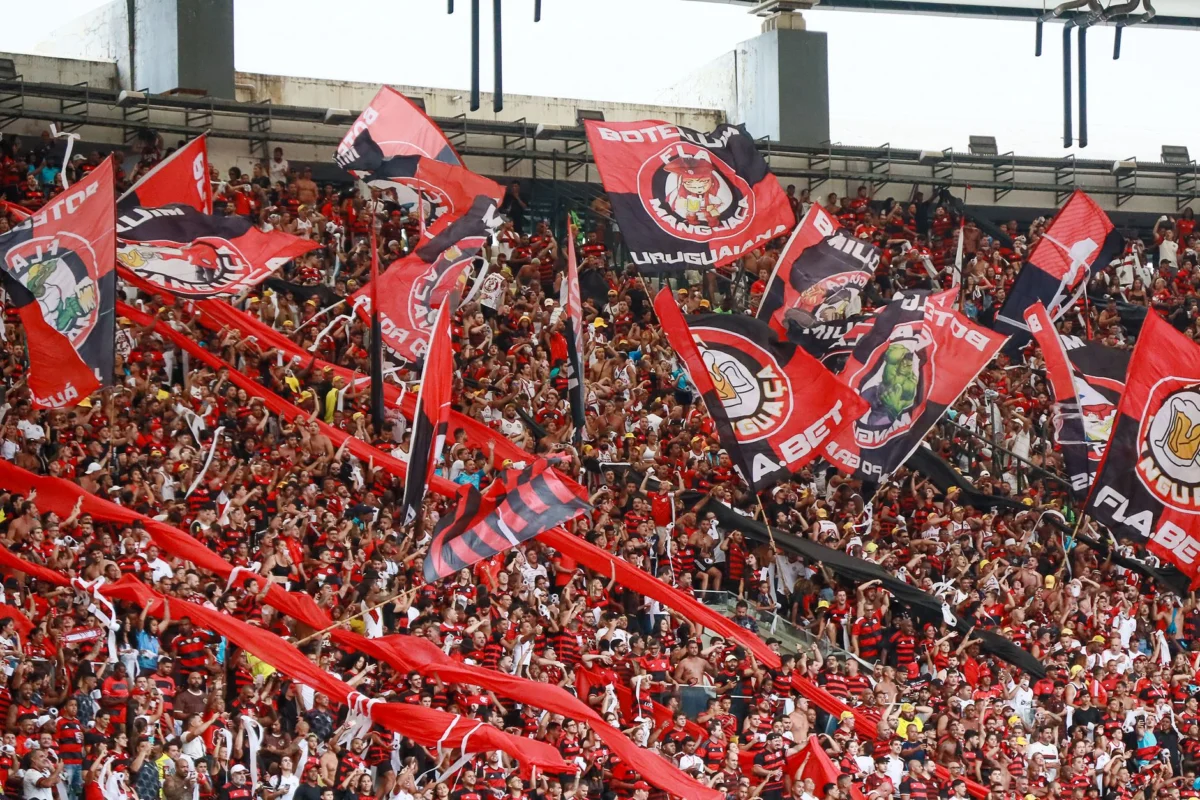
The Tartan Army descended on Boston’s waterfront on Saturday, filling the Seaport’s open‑air market with 1,200 kilts, 3,000 pints of ale and a chorus of “Flower of Scotland” that echoed off the skyscrapers.
The unexpected rally was organized by a loose coalition of Scottish expats, university societies and the Boston‑Glasgow Business Alliance, who rallied around the 2026 World Cup hype. By 8 p.m., the crowd had swelled to roughly 5,000 people, according to a count by the Boston Police Department.
Why does this matter?
Beyond the roaring chants, the event triggered a municipal agreement that officially links Boston and Glasgow as sister cities for the first time. The pact pledges joint cultural festivals, student exchanges and a shared tourism marketing budget of $250,000 per year.
What happened on the ground?
Vendors sold shortbread, haggis‑filled hot dogs, and Scotch‑aged craft beers brewed locally by Harpoon Brewery. A brass band from the Royal Scots played intermittently, prompting passersby to join the sing‑along.
Mayor Michelle Wu, who arrived in a kilt‑styled coat, shook hands with Glasgow’s Lord Provost Malcolm Ross. “Boston loves its global connections,” Wu said, noting that the sister‑city link could boost Boston’s tourism revenue by an estimated 3 % annually.
Local businesses reported a surge: the nearby Celtic House pub saw a 42 % increase in sales compared with the previous Saturday, while nearby hotels booked an extra 150 rooms for visitors from the UK.
Who benefits?
Students at Boston University’s Scottish Studies program will now receive scholarships funded jointly by both cities, expanding opportunities for cultural immersion. Likewise, Glasgow’s tech startups gain a foothold in Boston’s burgeoning AI hub, creating a pipeline for talent exchange.
Critics caution that the $250,000 annual budget may divert funds from essential services. A Boston City Council member expressed concern about the speed of the agreement, calling it “symbolic but financially reckless.”
Nevertheless, the festive atmosphere suggests a genuine grassroots appetite for deeper transatlantic ties. As the night wound down, the chants faded but the promise of a formal partnership lingered in the air.
What happens next?
City officials will convene a joint steering committee next month to outline the first joint festival, slated for Scotland’s Hogmanay in December 2026. Meanwhile, the Tartan Army plans a return visit during the World Cup’s opening match, hoping to replicate the Boston buzz on a global stage.
For Boston residents, the message is clear: your city’s cultural calendar just got a kilty, ale‑soaked upgrade, and the economic ripple could be felt in everything from hotel bookings to tech hiring.
Stay tuned as the sister‑city program rolls out its first initiatives, and watch for how this Scottish surge reshapes Boston’s international profile.