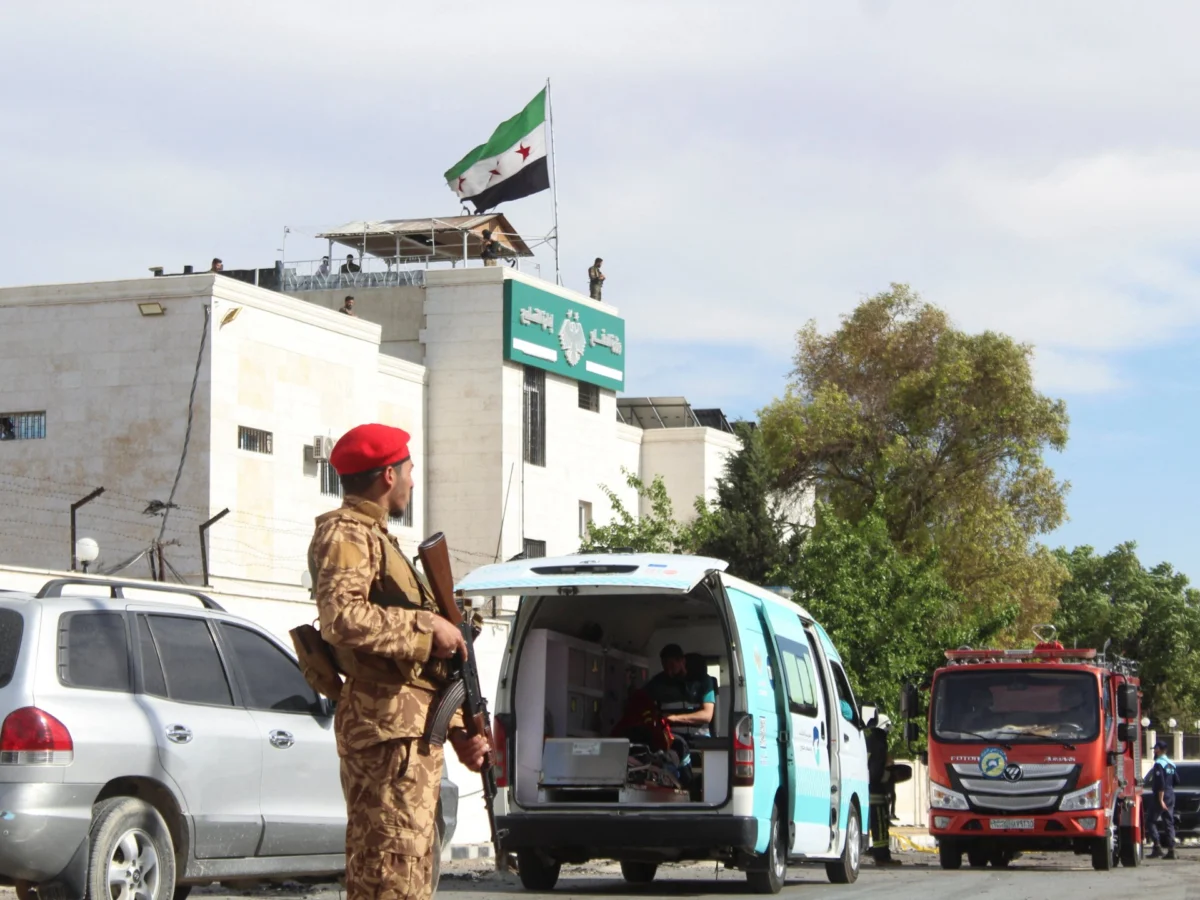
Two Syrian security officers were killed during a raid on an ISIL cell near Damascus, according to the Syrian Interior Ministry. The operation, which took place outside the capital, resulted in the deaths of five suspected fighters and the arrest of six others, officials said.
The raid highlights ongoing instability in the region, years after the rise and partial defeat of ISIL forces. While the group has lost significant territory in recent years, sleeper cells and smaller attacks continue to pose threats in parts of Syria and neighboring countries.
Key Facts
- Two Syrian security officers killed in raid near Damascus
- Syrian Interior Ministry confirmed the raid on ISIL cell
- Five suspected fighters killed during the operation
- Six suspects arrested during the security crackdown
- Location reported as outside of Damascus
What the Raid Reveals About Regional Security
The latest raid underscores the persistent challenges faced by Syrian authorities in securing areas around Damascus. Despite declarations of victory over ISIL, the group’s remnants remain active, capable of organizing localized attacks and maintaining underground networks. The Interior Ministry attributed the operation to a coordinated effort targeting an ISIL cell, though further details about the timeline or tactics used were not disclosed.
Regional analysts note that such operations often occur without extensive public documentation, leaving questions about civilian impact and transparency. The absence of independent reporting or witness accounts limits external verification of the ministry’s claims, including whether the suspects were actively engaged in planning or carrying out attacks.
For residents near Damascus, security operations like this one may offer reassurance that authorities are responding to perceived threats. However, they also raise concerns about due process and accountability, particularly when the government relies on broad counterterrorism measures to justify arrests and lethal force.
Who Is Affected by These Security Operations?
Local communities living near Damascus are directly affected by raids such as the one described by the Interior Ministry. Civilians may face disruptions to daily life, including checkpoints, curfews, or restricted movement during security sweeps. Families of those detained or killed—whether suspects or officers—are left grappling with loss and limited recourse for answers.
On a broader scale, the operation reflects the continuing volatility in Syria following more than a decade of conflict. The presence of ISIL-linked cells suggests unresolved ideological and security challenges, even as international attention shifts elsewhere. Humanitarian organizations have repeatedly warned that counterterrorism actions can exacerbate tensions or inadvertently harm innocent populations if not carefully monitored.
What We Know — and What We Don’t
Verified by the source:
- Two Syrian security officers died during a raid near Damascus
- The Syrian Interior Ministry attributed the raid to an ISIL cell
- Five suspected fighters were killed during the operation
- Six individuals were arrested during the sweep
Still unconfirmed:
- Exact timing or location of the raid
- Names or ranks of the deceased officers
- Whether any suspects were previously known to authorities
- Independent confirmation of casualties or arrests
- Details on follow-up investigations or legal proceedings
Why It Matters
Incidents like this demonstrate that while large-scale military campaigns against ISIL may have reduced its public profile, smaller cells still operate beneath the surface. For international observers and policymakers, these events underscore the importance of sustained engagement in stabilizing Syria and addressing root causes of extremism. For ordinary Syrians, they represent a grim reminder that violence and uncertainty persist long after major battles have ended.
What To Watch
Further statements from the Syrian government or independent monitoring bodies could clarify the circumstances surrounding the raid. Any additional information from human rights groups or local sources would help provide a fuller picture of the event and its aftermath.