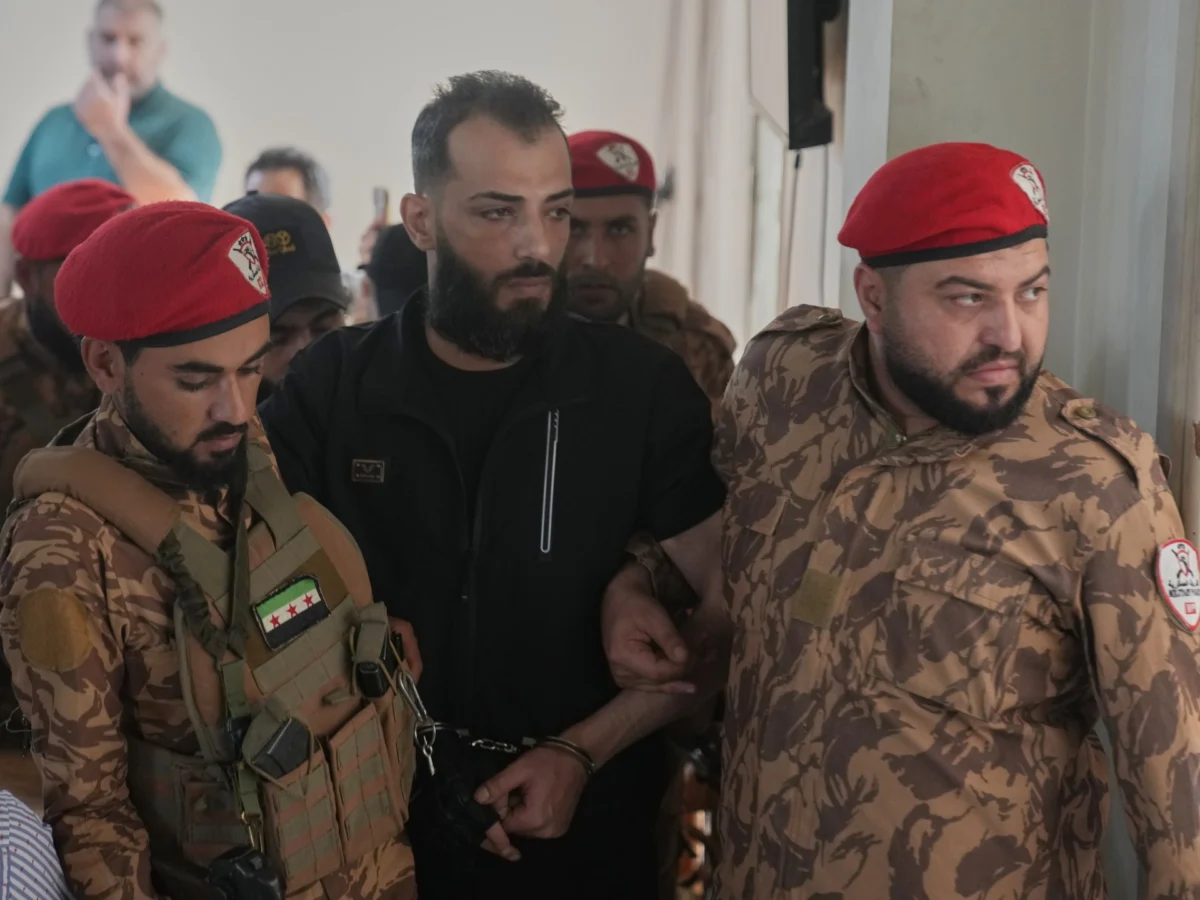
A Syrian court sentenced two people to death over violence and killings during the 2025 coastal unrest, Al Jazeera reported. The sentenced individuals were connected to events surrounding the March 2025 uprising by pro-Assad forces and subsequent retaliatory attacks.
The court rulings stem from deadly clashes and retaliatory violence that shook Syria’s coastal regions earlier this year, leaving multiple casualties and widespread destruction. This sentencing marks one of the most severe legal consequences issued in connection with the 2025 coastal violence.
Key Facts
- Syrian court sentenced two people to death over 2025 coastal violence.
- The violence occurred during a March 2025 uprising by pro-Assad forces and retaliatory attacks.
- The sentencing is linked to killings and unrest in coastal areas.
- The ruling was reported by Al Jazeera on October 15, 2026.
What Triggered the 2025 Coastal Unrest?
The 2025 coastal violence unfolded during a period of heightened tension following a pro-Assad forces uprising in March. According to Al Jazeera, the initial unrest involved armed groups loyal to the Assad government engaging in violent confrontations. These clashes triggered retaliatory attacks that escalated into broader civilian harm and infrastructure damage.
The coastal region, historically a mix of opposition and government-held territories, has long been a flashpoint for sporadic conflict. The March 2025 events represented a significant flare-up, prompting emergency responses from both local authorities and international observers.
Syrian courts have previously handed down punishments for involvement in cross-community violence, though death sentences remain rare and politically sensitive. The judiciary operates under a dual system influenced by military and civil law, particularly in conflict-linked cases.
What Happens Next After the Sentencing?
Following the death sentences, legal experts note that appeals processes in Syria are limited but possible through military or supreme court channels. Al Jazeera did not specify whether the sentenced individuals plan to challenge the ruling or if further prosecutions are expected.
International human rights organizations have previously criticized the use of capital punishment in politically charged cases within Syria. The United Nations and regional monitors continue to call for transparency in judicial proceedings tied to armed conflict.
The coastal violence of March 2025 led to a sharp increase in displacement and humanitarian needs. Aid groups reported disruptions to essential services and limited access to healthcare during the height of the unrest.
Who Is Affected by the Ongoing Fallout?
Families of the deceased, displaced civilians, and local governance structures remain directly impacted by the aftermath of the coastal violence. Al Jazeera confirmed that multiple communities were involved in the retaliatory attacks, compounding grievances between rival factions.
Regional stability continues to be affected as communities grapple with trauma, infrastructure loss, and restricted movement. Recovery efforts face logistical hurdles due to ongoing insecurity in parts of the coastal corridor.
Legal proceedings like these shape public perception of justice delivery during wartime. The international community remains cautious about endorsing domestic rulings without independent oversight of due process standards.
What We Know — and What We Don’t
Verified by the source:
- A Syrian court sentenced two people to death over 2025 coastal violence.
- The violence included a March 2025 uprising by pro-Assad forces and retaliatory attacks.
- The killings were part of broader unrest in coastal areas.
Still unconfirmed:
- The identities and roles of the two sentenced individuals.
- The exact number of casualties or broader toll of the 2025 violence.
- Whether appeals will proceed or additional prosecutions are pending.
Why It Matters
Death sentences handed down amid politically charged conflicts raise concerns about equitable application of justice. For regional observers, such rulings may signal shifting dynamics in Syria’s post-conflict governance landscape, making accountability—and impartiality—central to long-term stability.
What To Watch
Further updates from Al Jazeera or other credible sources regarding appeals, additional arrests, or international reactions to the sentencing may shed light on the case’s development. Monitoring statements from UN agencies and human rights bodies will also provide context on due process concerns.