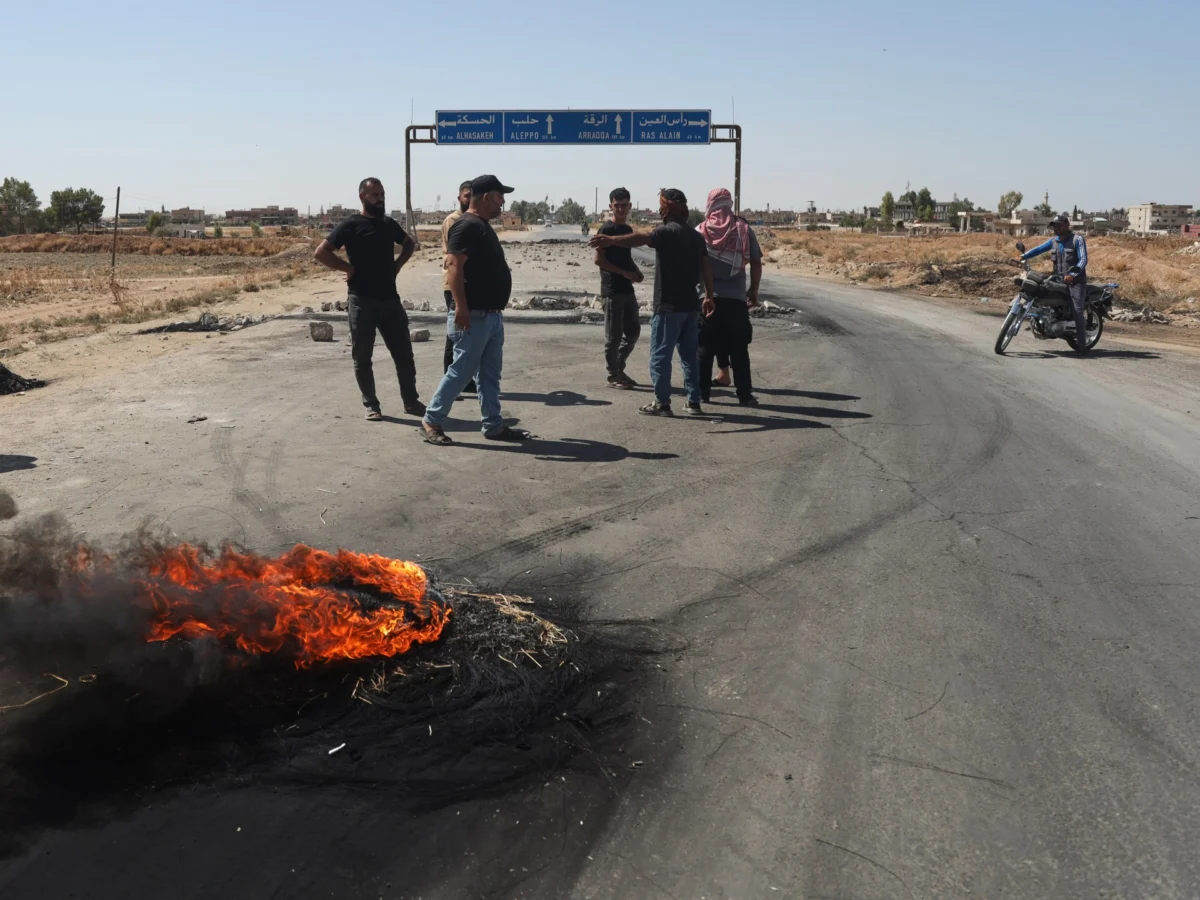
Syria has abolished a terrorism court established during the al-Assad era, a move announced as internal divisions — particularly with Kurdish groups — continue to challenge efforts at national unity. The decision reflects broader discontent testing President Ahmed al-Sharaa’s ability to lead a country emerging from 14 years of conflict.
The abolished court was used under previous Syrian governments to prosecute individuals accused of terrorism-related offenses, often drawing criticism for perceived lack of due process and politically motivated trials. This development comes as governing authorities attempt to consolidate control while addressing longstanding grievances among various ethnic and sectarian factions within the country.
KEY FACTS
- Syria has officially abolished the terrorism court associated with the al-Assad era.
- The abolition occurs amid rising tensions with Kurdish communities inside Syria.
- These developments are straining President Ahmed al-Sharaa’s efforts to unify the nation post-conflict.
- The country is emerging from roughly 14 years of conflict, complicating governance and reconciliation.
Understanding the Abolished Terrorism Court
The special terrorism court that Syria has now abolished had long been criticized for its role in prosecuting dissent under prior regimes. Established during the rule of former President Bashar al-Assad, it served as a key legal instrument for suppressing opposition voices and labeling activists, journalists, and civilians as threats to national security.
Its abolition may signal a shift in judicial policy under current leadership, potentially opening space for reformed or alternative mechanisms to address terrorism concerns. However, observers note that institutional change alone does not guarantee justice or fair trial standards unless accompanied by comprehensive legal reform and oversight.
What Happens Next for National Unity?
President Ahmed al-Sharaa inherited Syria after the fall of the al-Assad government, inheriting not just physical destruction but deep skepticism toward state institutions — especially those tied to past repression. Unifying the country requires more than symbolic changes; it demands trust-building with groups like the Kurds who have historically faced marginalization and cultural suppression.
Rising tensions with Kurdish populations could complicate these unity goals. While some progress has been made in recent diplomacy, unresolved issues around autonomy, language rights, and land ownership remain flashpoints that threaten long-term stability. How authorities respond to these grievances will test whether this reform is substantive or merely cosmetic.
Historical Context Behind the Conflict
The ongoing unrest in Syria stems from decades of authoritarian governance, civil war, and foreign intervention dating back well before 2011. Each phase of conflict layered new grievances onto existing ones, making reconciliation increasingly complex. With al-Assad gone, the new administration faces pressure both domestically and internationally to uphold human rights while restoring order.
Disbanding the terrorism court represents one early indication of intent to distance itself from previous abuses. Yet meaningful transition also depends on broader transparency, accountability measures, and inclusive dialogue — all of which require delicate balancing acts given competing interests across society.
WHAT WE KNOW — AND WHAT WE DON’T
Verified by the source:
- Abolishment of the al-Assad-era terrorism court has occurred.
- President Ahmed al-Sharaa leads Syria amid post-conflict reconstruction.
- Tensions exist between governing authorities and Kurdish populations.
- The country has endured approximately 14 years of conflict.
Still unconfirmed:
- Specific legal framework replacing the defunct terrorism court.
- Extent of official recognition or integration offered to Kurdish communities.
- Date or formal announcement details beyond summary reporting.
- International response or diplomatic reactions from external actors.
WHY IT MATTERS
For global audiences, Syria remains a focal point of humanitarian concern and geopolitical interest. Reforms such as abolishing repressive judicial tools can influence refugee return policies, aid distribution, and peace negotiations. At home, however, lived experience often diverges sharply from headline-level announcements, underscoring why granular reporting matters even when sources remain limited.
WHAT TO WATCH
Further clarifications about legal replacements for the terrorism court are expected. Meanwhile, continued engagement — or further escalation — with Kurdish factions will shape perceptions of inclusivity in the evolving political landscape.