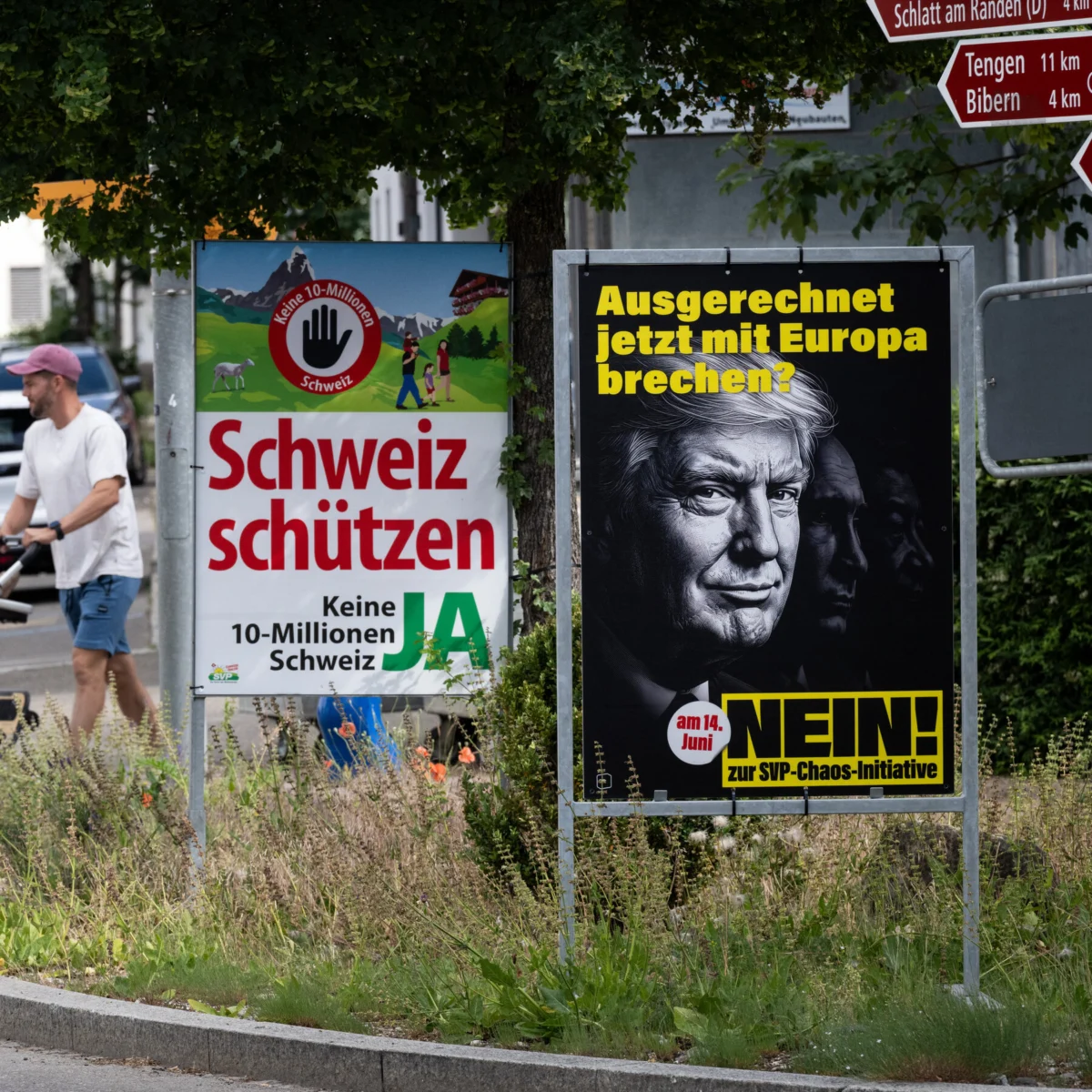
Switzerland’s Federal Council has set a deadline of June 30 for a popular vote that would legally cap the country’s residents at 10 million.
That number is not arbitrary. In 2023, the nation recorded 1.2 million new residents, pushing the total to 9.9 million – just 100,000 shy of the proposed limit.
If the “population cap” passes, new permanent residency permits would be halted once the ceiling is reached, effectively throttling immigration flows that have driven the country’s post‑war boom.
Why does this matter?
A 10 million cap could shrink the labor pool that fuels Switzerland’s high‑tech, pharmaceutical, and banking sectors. The economy and markets column of the New York Times notes that GDP growth has averaged 2.3 % over the past decade, a pace partly credited to skilled migrants.
Critics warn that the measure could usher in a “brain drain” as foreign experts seek opportunities in neighbouring EU states where visas remain open.
What happens if the vote passes?
Under the proposal, the Federal Office for Migration would issue a “stop‑list” once the 10‑million threshold is hit. Existing residents would keep their status, but new applicants – whether asylum seekers, students, or high‑skill workers – would be turned away until the census falls below the limit.
Pro‑cap advocates, including the Swiss People’s Party, argue the policy would protect housing affordability, preserve the Alpine environment, and curb the strain on public services.
Who is affected?
Swiss employers, especially in the finance and biotech hubs of Zurich and Basel, could face talent shortages. Young Swiss families might see rental prices stabilize, but refugee NGOs caution that the cap would force vulnerable seekers onto precarious border crossings.
Internationally, the move would test Switzerland’s reputation as a liberal haven. The country’s role as a neutral mediator in global conflicts could be questioned if it appears to turn inward.
What’s the political landscape?
Four parties – the SVP, FDP, Green Liberal Party, and a coalition of cantonal governments – back the cap. Opponents, led by the Social Democrats and the Green Party, label it “short‑sighted nationalism.”
Polls from early June show a 48 %–45 % split, with 7 % undecided.
Regardless of the outcome, the referendum will reverberate beyond the Alps, prompting other affluent nations to reconsider the balance between open borders and domestic pressures.
Stay tuned as the votes are counted – the final tally could reshape not only Swiss demographics but also the broader debate on migration in an increasingly interconnected world.