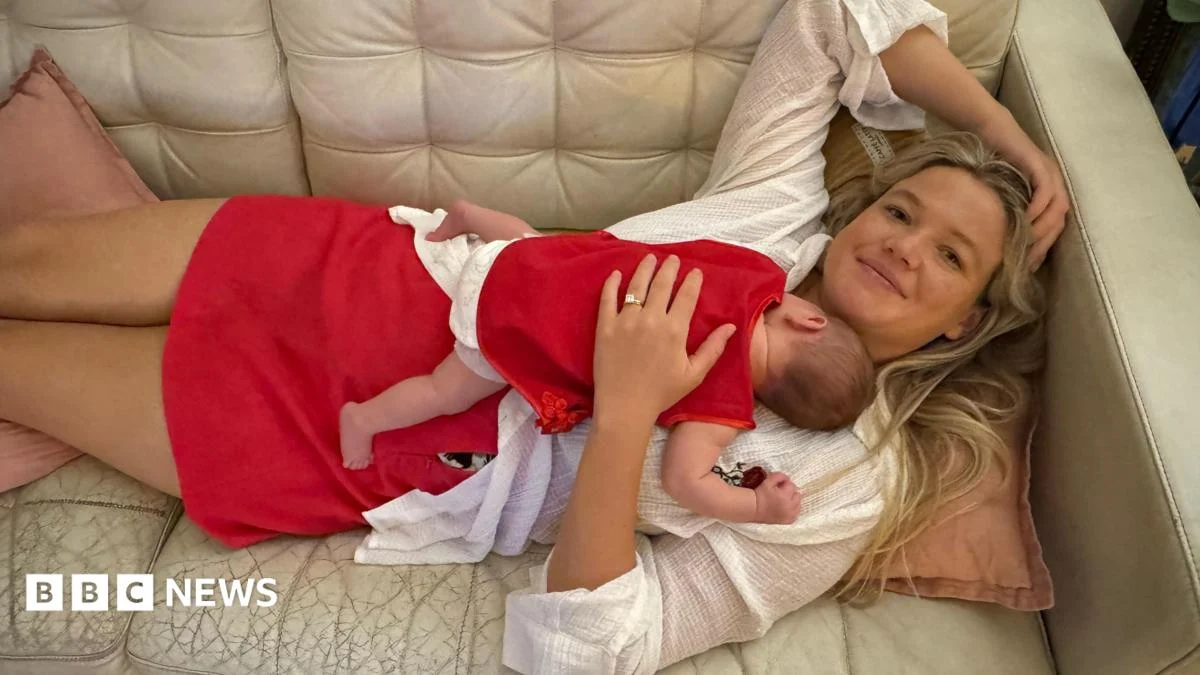
Leah Stewart opened her eyes to the bright white of an intensive‑care ceiling light on June 19, 2026, after more than seven days in an induced coma.
The former graphic designer from Coogee had been mauled by a great white shark on June 11 while swimming near the shoreline of Coogee Beach.
Paramedics rushed her to Prince of Wales Hospital, where surgeons amputated her left forearm to stop life‑threatening blood loss.
Doctors then placed her in a medically induced coma to reduce swelling and give her body a chance to heal.
What happened on the beach?
According to the BBC, the shark struck Stewart at roughly 10 am, biting cleanly through her forearm. Witnesses describe a frantic scramble as lifeguards shouted for help and the beach was temporarily closed.
“It happened in a split second,” the report notes, adding that the animal disappeared back into the surf within minutes.
Stewart’s husband, Michael, later told friends the incident felt like a nightmare on repeat.
Why does this matter?
Australia records more shark‑related incidents than any other country, yet public perception often swings between complacent tourism promotion and alarmist calls for lethal culling.
Stewart’s case highlights two pressing issues: the adequacy of emergency response on crowded urban beaches, and the psychological aftermath for survivors who must relearn everyday tasks without an arm.
Health‑science experts stress that prompt surgical intervention and controlled comas can dramatically improve survival odds after severe trauma.
“Rapid decision‑making saved her life,” a spokesperson from the hospital’s trauma unit said, underscoring the importance of well‑trained first responders.
Recovery and rehabilitation
Now awake, Stewart faces weeks of physiotherapy, prosthetic fitting, and counseling.
She hopes her story will encourage better safety signage, more lifeguard patrols, and research into non‑lethal shark deterrents.
“If sharing my experience prevents even one family from experiencing this horror, it’s worth it,” she said in a brief statement posted to her social media account.
Her journey also raises questions about insurance coverage for emergency amputations and long‑term disability support, issues that touch thousands of Australians living near the coast.
For readers interested in the broader health implications, see our coverage of health and science innovations in trauma care.
What happens next?
Stewart’s medical team will monitor her for infection and nerve damage over the coming months.
She plans to return to work part‑time once cleared, and hopes to become an advocate for beach safety.
Authorities have launched a review of the incident, promising a public report within three months.
Stay tuned as we follow her recovery and the policy changes that may follow.