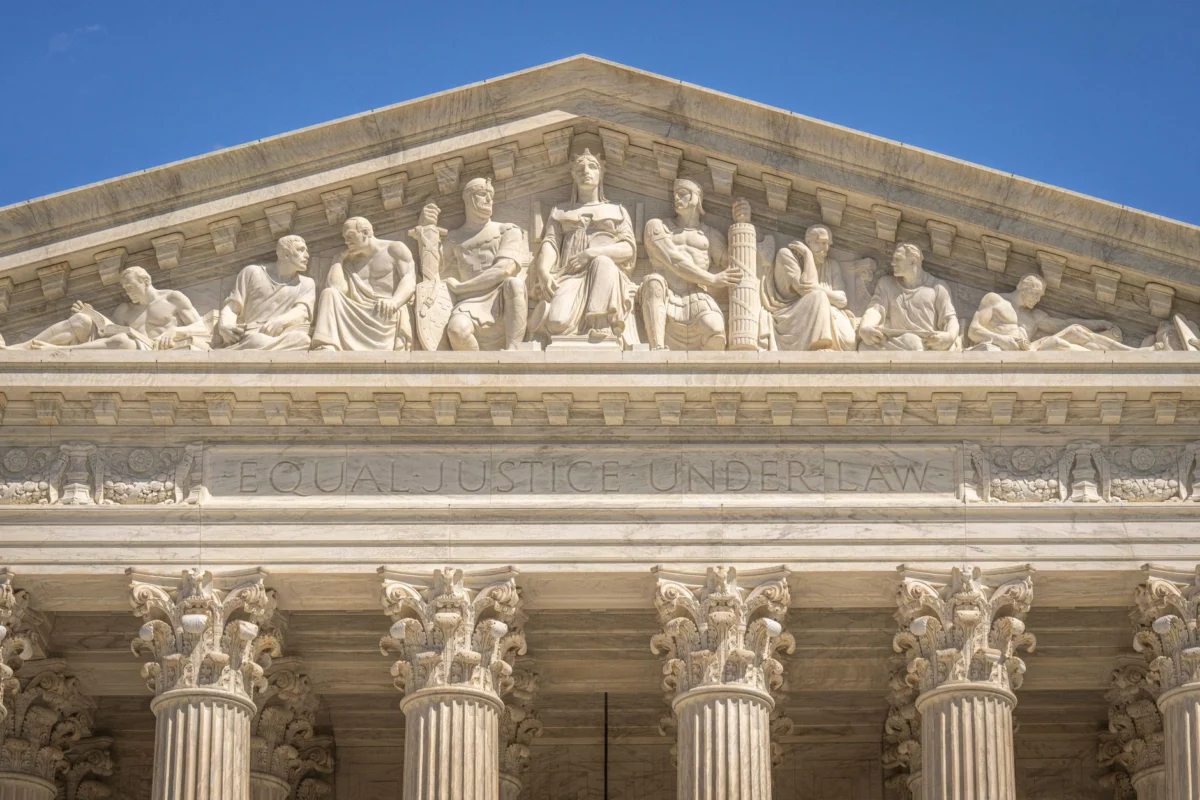
The Supreme Court has upheld a transgender athletics ban, confirming that existing restrictions on transgender women competing in women’s sports remain in effect. The decision, reported by The Washington Post, signals that the highest court will not intervene to overturn these policies.
What does the ruling mean?
The Court’s action leaves in place the rules that limit participation by transgender women in female athletic categories. By refusing to strike down the bans, the justices have allowed schools, colleges and other sporting bodies to continue enforcing the existing standards.
Why does this matter?
The continuation of the transgender athletics ban impacts athletes, schools, and advocacy groups across the nation. Supporters argue that the bans protect fairness in competition, while opponents contend they discriminate against transgender individuals. The ruling therefore remains a focal point in ongoing debates about equity, inclusion and the role of the judiciary in sports policy.
For readers following related political developments, further coverage can be found in the politics archive.
What happens next?
With the Supreme Court’s decision finalized, lower courts and athletic organizations are expected to apply the upheld bans without alteration. Any future challenges will need to address the Court’s reasoning directly, potentially requiring new legal arguments or legislative action.
The decision adds to a broader national conversation about how sports regulations intersect with civil rights. Stakeholders on both sides of the issue are likely to continue lobbying for reforms that align with their perspectives on fairness and inclusion.
While the ruling clarifies the legal standing of current policies, it does not settle the underlying social and ethical discussions. Continued public engagement and legislative proposals will shape how the transgender athletics ban evolves in the years ahead.