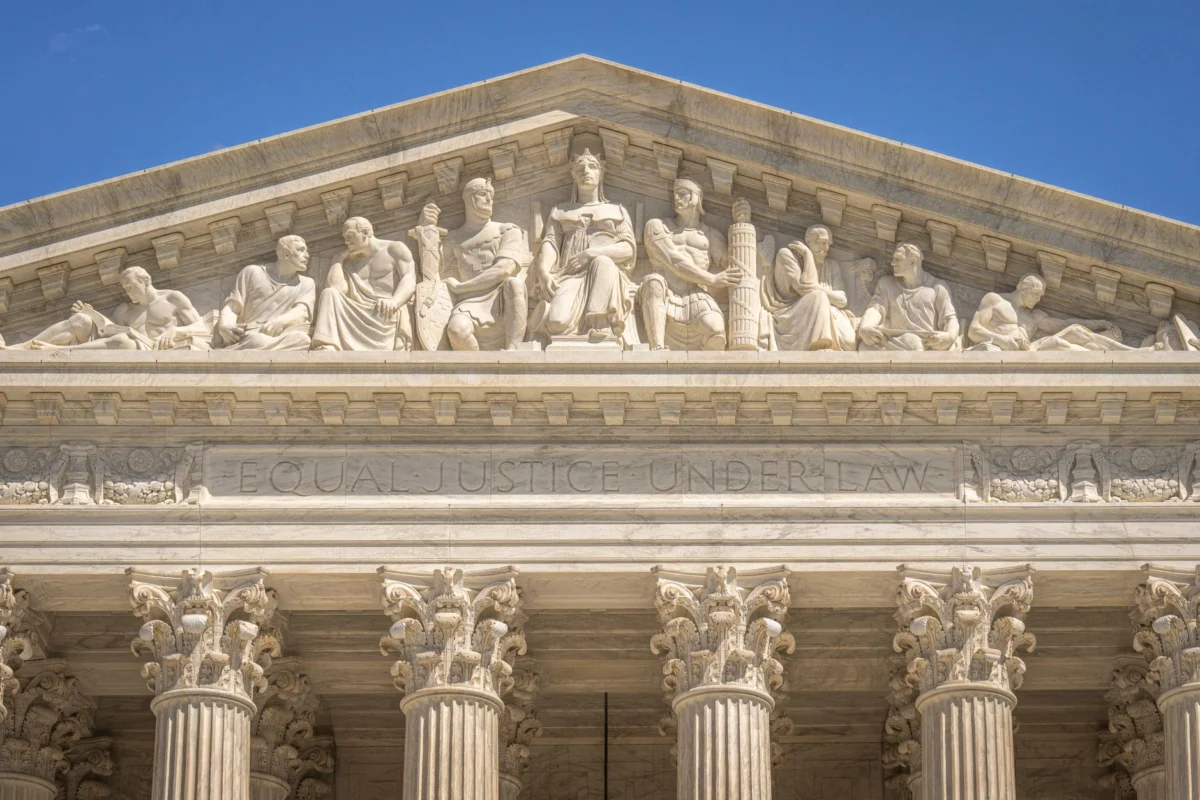
The Supreme Court is preparing to weigh a major immigration detention policy from the Trump administration, a decision that could reshape how thousands of undocumented immigrants are held during deportation proceedings. The policy, which mandates detention for certain noncitizens, has been at the center of legal disputes over constitutional protections and federal authority. This case marks one of the most significant immigration-related issues the Court will address in recent years.
The immigration detention policy was introduced under the Trump administration as part of a broader push to restrict release options for undocumented individuals. Civil rights groups and legal advocates have repeatedly challenged the policy in court, arguing it violates due process rights and exceeds executive authority. The Supreme Court’s decision to hear the case signals growing judicial interest in balancing immigration enforcement with constitutional safeguards.
KEY FACTS
- The Supreme Court will review Trump’s mandatory immigration detention policy.
- Reuters reported the Court is weighing the immigration detention policy.
- The policy requires detention of certain undocumented immigrants without bond.
- The case involves constitutional questions about federal immigration authority.
- The Trump-era policy has faced legal challenges from civil rights groups.
What happens next?
The Supreme Court’s decision to grant review means the case will move forward through formal briefing and oral arguments, typically scheduled months apart. Legal experts anticipate that the Court may issue a ruling by mid-2025, depending on scheduling and complexity. The outcome could either uphold expanded detention powers for federal immigration authorities or place new limits on them. Oral arguments often signal the Court’s leanings, though final votes remain unpredictable until released.
Arguments will likely focus on how mandatory detention intersects with constitutional protections such as due process and equal protection. Lower courts have issued conflicting rulings on whether prolonged detention without bond violates constitutional standards. The administration has argued that mandatory detention serves national security and public safety interests, while challengers assert it disregards individual circumstances. The Court’s interpretation may also hinge on statutory language in the Immigration and Nationality Act, which governs detention authority.
Who is affected?
Hundreds of thousands of noncitizens currently in federal custody could be impacted by the Supreme Court’s ruling on immigration detention policy. The policy applies broadly to individuals subject to removal proceedings who meet certain criminal or security-related criteria. Advocates warn that expanding mandatory detention could strain resources and separate families for extended periods. Immigrant communities and legal service providers have closely monitored the policy since its implementation, citing concerns over access to counsel and humane treatment during detention.
Legal aid organizations have reported increased difficulty representing detainees under mandatory detention rules, as clients may be held far from their attorneys or support networks. Some states and localities have passed legislation limiting cooperation with federal immigration authorities, creating additional tensions over jurisdiction. The Supreme Court’s review highlights the ongoing national debate over how the U.S. balances immigration enforcement with civil liberties and humanitarian obligations.
WHAT WE KNOW — AND WHAT WE DON’T
Verified by the source:
- The Supreme Court will review Trump’s immigration detention policy, per Reuters reporting.
- The policy mandates detention for certain undocumented immigrants.
- The case has drawn attention to constitutional and statutory immigration questions.
- Reuters first reported the Court’s decision to weigh the policy.
Still unconfirmed:
- No specific case name or docket number was provided in the summary.
- Exact timeline for oral arguments and ruling remains unclear.
- Specific provisions of the policy facing challenge are not detailed.
- No statements from the White House or justice Department were included.
WHY IT MATTERS
The immigration detention policy sits at the intersection of national security, civil rights, and judicial authority, making it one of the most consequential legal battles of the current administration. Its outcome could influence future administrations’ ability to enforce immigration laws and shape how courts interpret executive power in matters of detention and due process.
WHAT TO WATCH
All eyes will turn to the Supreme Court’s briefing schedule, as both sides prepare to argue core constitutional questions. A ruling in this case is expected to set precedent for years of immigration enforcement policy.