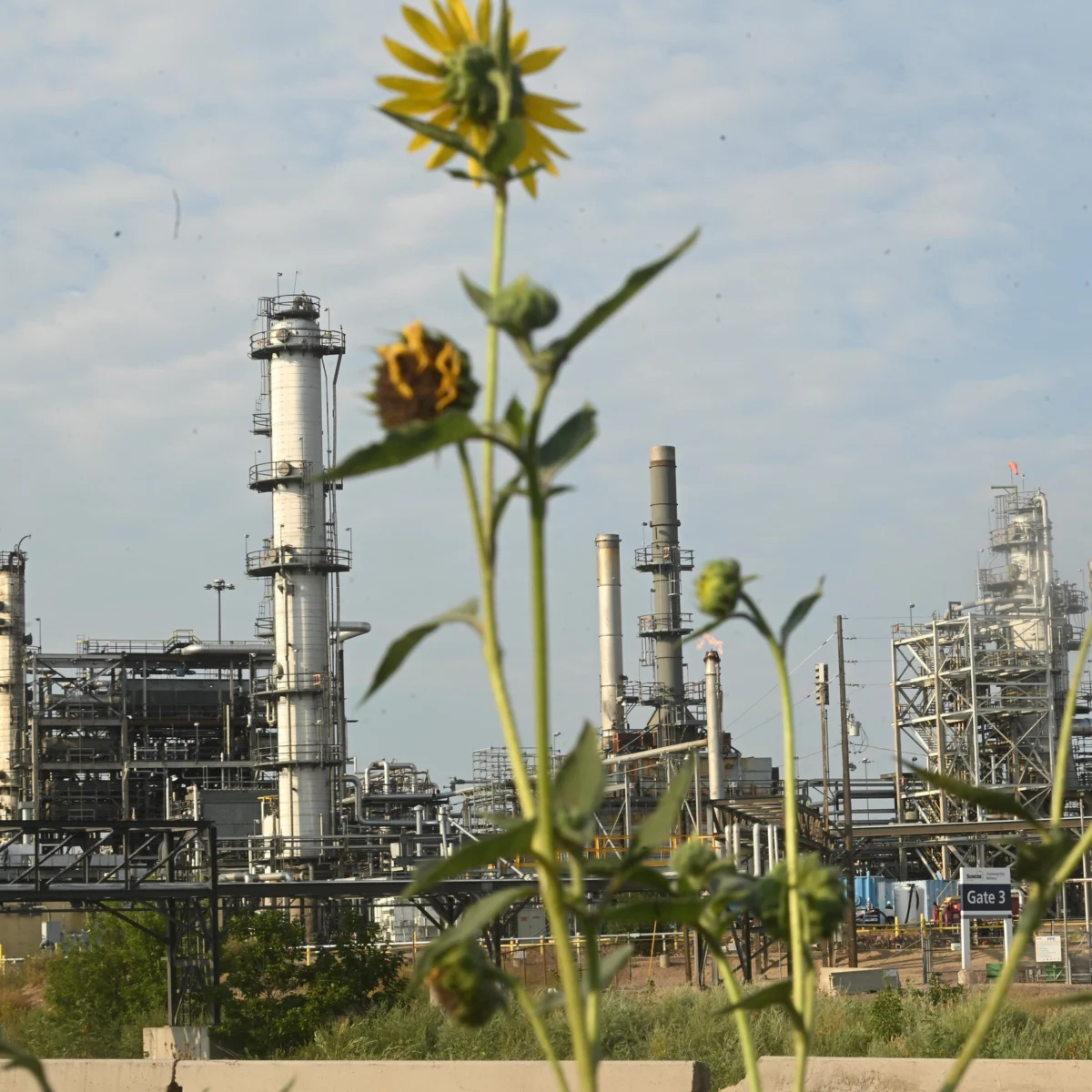
The Supreme Court is preparing to hear a climate change lawsuit that could require the oil industry to pay billions of dollars in liability for damages caused by global warming. The outcome may shape major legal and financial consequences for energy companies, testing how U.S. law addresses the effects of climate change.
Oral arguments are expected in the coming weeks, though the Court has not specified an exact date. Legal experts say the case could establish new precedents for how courts weigh corporate responsibility in environmental harm.
KEY FACTS
- The Supreme Court is set to hear a climate change lawsuit.
- The lawsuit may determine oil industry liability for global warming damages.
- Billions of dollars in damages could be at stake.
What happens next?
Once the justices hear the case, they will deliberate in private before issuing a ruling, typically by the end of June. Legal analysts note that the decision could clarify whether fossil fuel producers can be held financially responsible for the broader impacts of climate change under existing federal and state law.
A ruling in favor of plaintiffs may open the door to similar lawsuits nationwide, while a dismissal or limitation could restrict future climate-related litigation. Lower courts have issued conflicting rulings on comparable cases, adding urgency to the Supreme Court’s involvement.
Who is affected by this lawsuit?
The case centers on communities and governments seeking compensation for costs tied to global warming, including infrastructure damage and public health responses. These plaintiffs argue that major oil companies contributed to climate change through the extraction and marketing of fossil fuels, despite internal research suggesting awareness of environmental risks.
For the oil industry, a verdict imposing billions in liability could reshape business practices, investment strategies, and regulatory compliance. Financial analysts have warned that large penalties could ripple through energy markets and influence shareholder decisions across the sector. Explore more in Climate Environment and Economy Markets.
How did we get here?
This lawsuit reflects a growing trend of local governments and advocacy groups turning to courts to address climate-related harms. Over the past decade, similar cases have been filed in state and federal courts, often drawing on scientific evidence linking corporate emissions to rising temperatures and extreme weather events.
Legal scholars say the Supreme Court agreed to hear the case after appellate courts issued divergent opinions on whether such lawsuits should proceed. The justices’ review suggests the dispute raises significant questions about jurisdiction, liability, and the limits of judicial intervention in climate policy.
WHAT WE KNOW / WHAT WE DON’T
WHAT WE KNOW — Verified by the source:
- The Supreme Court will hear a climate change lawsuit.
- The case involves potential oil industry liability for global warming damages.
- Billions of dollars in damages are potentially at stake.
WHAT WE DON’T:
- The exact filing date of the lawsuit remains unconfirmed.
- The names of plaintiffs and defendant companies are not specified.
- The anticipated timing of a Supreme Court decision is unknown.
Why it matters
This case sits at the intersection of environmental policy, corporate accountability, and legal precedent. A landmark decision could redefine how climate damages are addressed in court, affecting energy firms, municipal budgets, and future regulatory frameworks. Read more about ongoing developments in Politics.
What to watch
The Court’s ruling, expected before summer 2027, will signal whether climate change lawsuits can proceed at scale or face new legal barriers. Oral arguments and amicus briefs filed by environmental and industry groups may offer clues ahead of the decision.
Meta description: The Supreme Court is set to hear a climate change lawsuit that could determine oil industry liability for global warming damages.