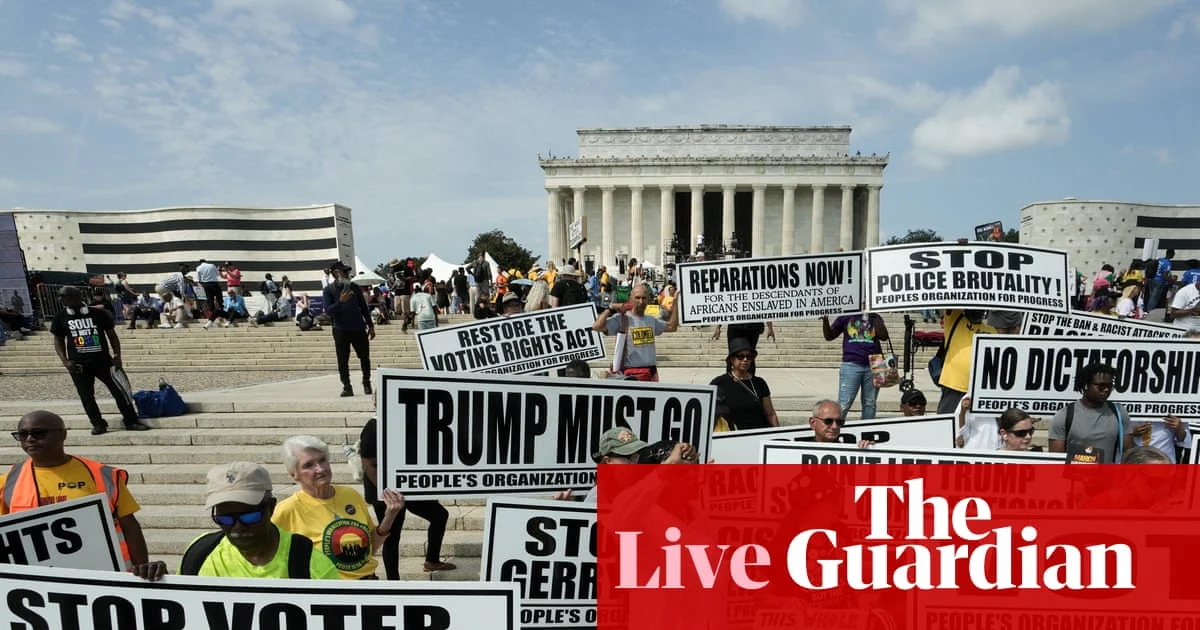
The Supreme Court rejected mail ballot restrictions supported by President Trump ahead of the November midterm elections, a move Democrats say will help ensure safe and secure elections. The court’s action clears the way for expanded mail-in voting options as Americans prepare to head to the polls. The decision came on Monday, according to reporting from World news | The Guardian.
The rejection of the president’s mail ballot restrictions follows legal challenges over access to voting by mail. Opponents argued the restrictions placed undue burdens on voters, particularly during public health concerns. Supporters had argued the restrictions were necessary to prevent fraud. The court did not provide detailed reasoning in its order, leaving unresolved broader questions about future mail voting policy.
Key Facts
- Supreme Court rejected the president’s mail ballot restrictions on Monday.
- The ruling applies ahead of the November midterm elections.
- Democrats say the ruling will ensure safe and secure elections.
What happens next?
Monday’s rejection of mail ballot restrictions means voting by mail will not face additional limits imposed by the administration. Legal experts say the lack of detailed explanation from the Supreme Court makes future challenges likely, particularly if similar policies resurface in other states. The ruling affects only federal-level restrictions tied to the president’s directives, not state-run mail-in ballot systems. States retain control over their own voting procedures unless overridden by future federal action. Voters in swing states that rely heavily on mail ballots may see unchanged procedures for the midterms.
Legal analysts note that the absence of a full opinion from the court suggests the justices may be avoiding a broad precedential ruling. This could leave the door open for renewed litigation after the November elections. At least one justice reportedly pushed for hearing the case fully, but the majority chose dismissal without argument. Civil rights groups have praised the outcome as a win for voter access. Meanwhile, conservative voices have criticized the silence from the bench as insufficient guidance for future elections.
How did we get here?
The mail ballot restriction challenge traces back to directives issued by the president earlier this year urging tighter controls on absentee voting. Multiple lawsuits were filed in federal courts arguing that the restrictions violated constitutional protections around equal access. Lower courts issued temporary blocks, leading to the Supreme Court’s review. Legal scholars say the case highlighted tensions between election security concerns and voting accessibility. The court’s sudden dismissal without hearing oral arguments surprised many observers familiar with the high stakes of election law disputes.
Reporting indicates the board of the Kennedy Center plans to vote Tuesday on its continued operation, though that issue appears separate from the court’s ruling. Trump-appointed directors reportedly argue the venue should bear his name, while others contend only Congress can alter its designation. That debate reflects broader cultural divides over presidential influence on public institutions.
What We Know — and What We Don’t
Verified by the source:
- The Supreme Court rejected the president’s mail ballot restrictions.
- The ruling occurred on Monday ahead of the November midterm elections.
- Democrats welcomed the decision, citing election integrity benefits.
Still unconfirmed:
- The specific legal basis for the court’s dismissal.
- Whether further appeals or new restrictions may follow.
- Exact impact across individual states’ mail-in voting systems.
Why it matters
Election procedures shape every citizen’s right to vote, especially in closely contested races. Midterm elections often determine control of Congress and state governments, making fair access to the ballot box essential. When courts weigh in on voting rules, outcomes affect not just candidates but entire communities relying on mail-in options. This ruling underscores how judicial decisions carry real weight in shaping democratic participation. Clarity around future voting access remains critical for voters and election officials alike.
What to watch
All eyes now turn to how states manage their own mail-in ballot processes ahead of November. Any new legal challenges or policy shifts could prompt renewed attention from courts and lawmakers. As the midterm elections approach, updates on voting procedures will remain central to public discourse.