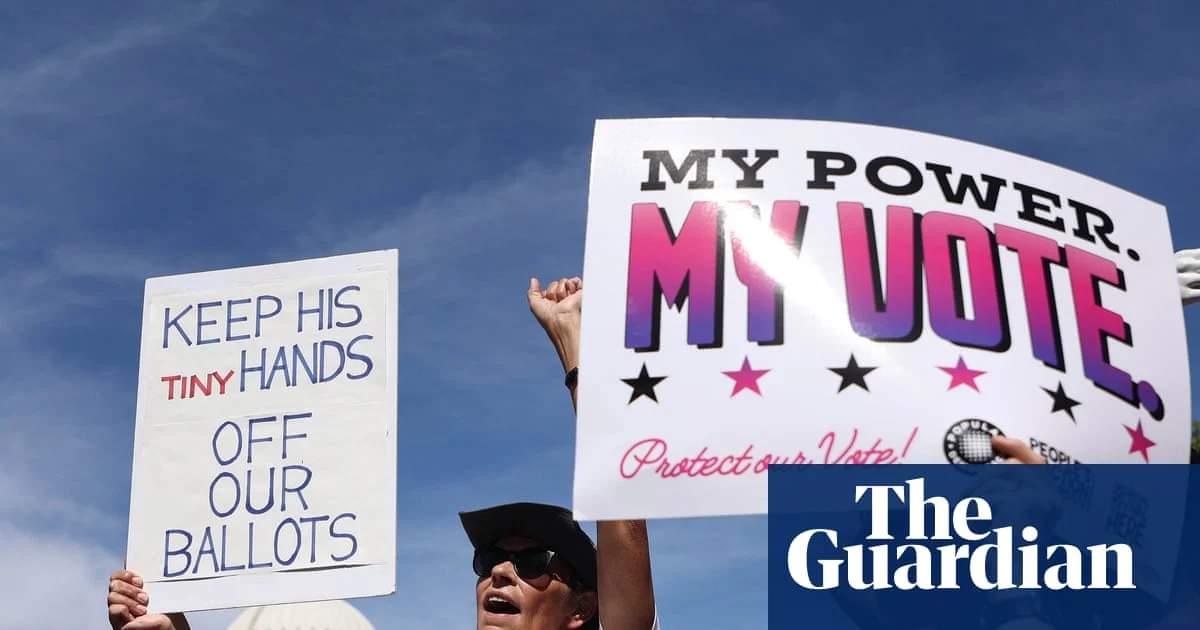
In a major victory for election officials, the US Supreme Court rejected Donald Trump’s push to impose new restrictions on mail voting, halting what would have been a last-minute overhaul of ballot procedures. The ruling came after Trump sought to require states to adopt cumbersome new rules, including redesigning mail-in envelopes and uploading voter lists to the USPS, measures officials said were not feasible before ballots were sent out.
Trump expressed anger over the decision on Truth Social. The court’s action averted what election officials of both parties described as an administrative disaster for this year’s elections. Officials emphasized that the proposed changes could have disrupted voting access and undermined public confidence in mail-in ballots.
KEY FACTS
- Supreme Court blocked Trump’s mail voting restrictions.
- Trump reacted angrily on Truth Social after the ruling.
- New rules would have required redesigned envelopes and voter list uploads.
- Election officials feared an ‘administrative disaster’ before ballots went out.
- Officials worried the move would weaken confidence in mail voting.
THE STORY
How did we get here?
Trump’s effort aimed to tighten mail voting procedures amid ongoing debates about election security. His plan would have forced states to implement last-minute changes to ballot design and voter verification systems. These requirements were seen as difficult to meet quickly, especially as many states had already begun preparing ballots for the midterms.
The administration argued the changes were needed to ensure vote integrity. However, election officials raised concerns about timing and feasibility, noting that altering procedures so close to an election could lead to confusion and delays. The Supreme Court’s intervention kept existing mail voting systems in place.
Trump’s public frustration underscores deep partisan divisions over voting access. While Republicans have pushed for stricter ID laws and tighter verification, Democrats argue such measures suppress turnout, particularly in communities that rely heavily on mail voting.
What happens next?
With the court’s ruling, states will continue using their current mail voting protocols. This includes signature matching, secure ballot drop boxes, and tracking systems already in place. Election officials say they will focus on reassuring voters that their mail-in ballots remain safe and valid.
The decision also signals judicial caution when it comes to major election changes close to voting deadlines. Legal experts say courts are increasingly wary of interventions that could affect ballot access or disrupt ongoing election processes.
Both parties are expected to keep debating broader voting legislation. However, immediate changes to mail voting procedures appear unlikely before this year’s midterms, leaving current systems intact for millions of Americans planning to vote by mail.
WHAT WE KNOW — AND WHAT WE DON’T
Verified by the source:
- The Supreme Court halted Trump’s attempt to change mail voting rules.
- Trump reacted angrily on Truth Social.
- Proposed rules included new envelope designs and voter list uploads.
- Election officials warned of administrative problems.
- Concerns were raised about damaging public trust in mail voting.
Still unconfirmed:
- No specific timeline was given for when Trump issued the original order.
- No comment from the White House or state officials was cited.
- No details were provided about how many states would have been affected.
- No polling data on voter sentiment about mail voting was mentioned.
WHY IT MATTERS
This ruling preserves access to mail voting for millions of Americans during a critical election cycle. It reflects the judiciary’s role in balancing voting rights and security, while highlighting the ongoing national conversation about how elections are conducted. For voters who rely on mail ballots—especially in rural areas, among seniors, or during emergencies—the outcome ensures continuity and stability. It also demonstrates how legal challenges can shape the mechanics of democracy right up to Election Day.
WHAT TO WATCH
Future court cases may revisit voting procedures and election rules as political battles continue in courtrooms nationwide.
The Supreme Court ruled against Trump’s new mail voting restrictions just weeks before the midterm elections, preserving current ballot systems.