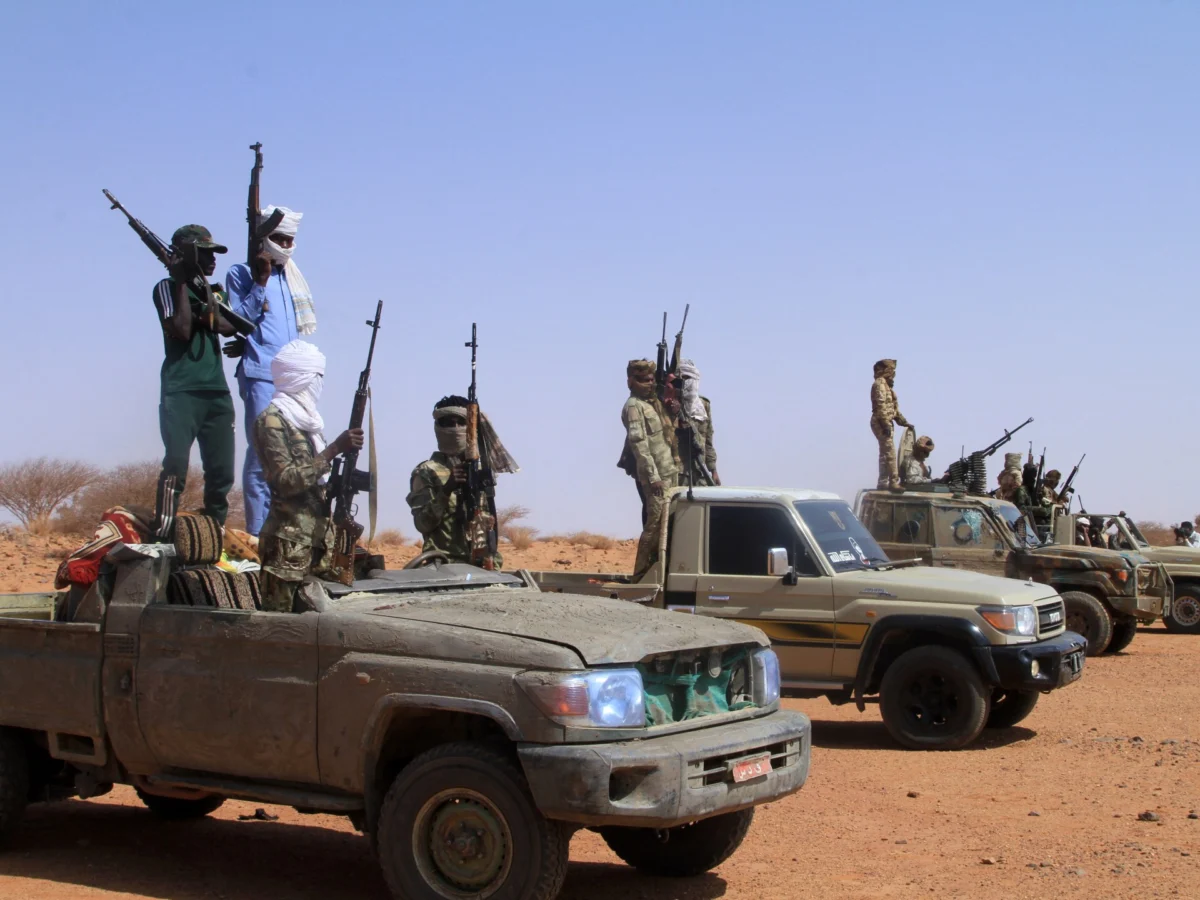
The ongoing conflict in Sudan appears to be reaching a potential turning point, with recent battlefield developments possibly influencing the country’s political trajectory. According to Al Jazeera, Sudanese army gains, defections from the Rapid Support Forces (RSF), and political maneuvers by General Abdel Fattah al-Burhan indicate a possible shift in the war’s dynamics.
KEY FACTS
- Sudanese army has made recent battlefield gains according to Al Jazeera
- Defections reported from the Rapid Support Forces (RSF)
- General Abdel Fattah al-Burhan is making a political push
- These developments may signal a shift in Sudan’s ongoing conflict
How did we get here?
Sudan has been embroiled in violent conflict since tensions between the military and paramilitary forces erupted into open warfare. The power struggle between General al-Burhan’s Sudanese army and the RSF has devastated the country, with millions displaced and thousands dead. Previous attempts at political solutions have failed to bring stability, leaving military options as the main method for resolving the power struggle.
What could change?
The reported battlefield gains by the Sudanese army, coupled with RSF defections, could alter the balance of power in the conflict. General al-Burhan’s political push suggests the military faction may be trying to capitalize on these developments to strengthen its position in any future negotiations or political arrangement. However, the exact nature and sustainability of these changes remain unclear.
WHAT WE KNOW — AND WHAT WE DON’T
Verified by the source:
- Sudanese army has made recent battlefield gains
- There have been defections from the RSF
- General al-Burhan is engaged in political maneuvers
Still unconfirmed:
- The scale and strategic importance of the reported army gains
- The number and seniority of RSF defections
- Details of al-Burhan’s political efforts
- Whether these developments will lead to actual political change
WHY IT MATTERS
Sudan’s conflict has created one of the world’s worst humanitarian crises, with regional stability at stake. Any shift in the military balance could affect millions of civilians caught in the crossfire and potentially reshape the political future of Africa’s third-largest country. The international community watches closely as developments could influence migration flows and regional security.
WHAT TO WATCH
Observers will monitor whether the reported military gains translate into lasting political advantage, and if other factions or international actors respond to these developments. The situation remains fluid, with the potential for rapid changes in the conflict’s dynamics.