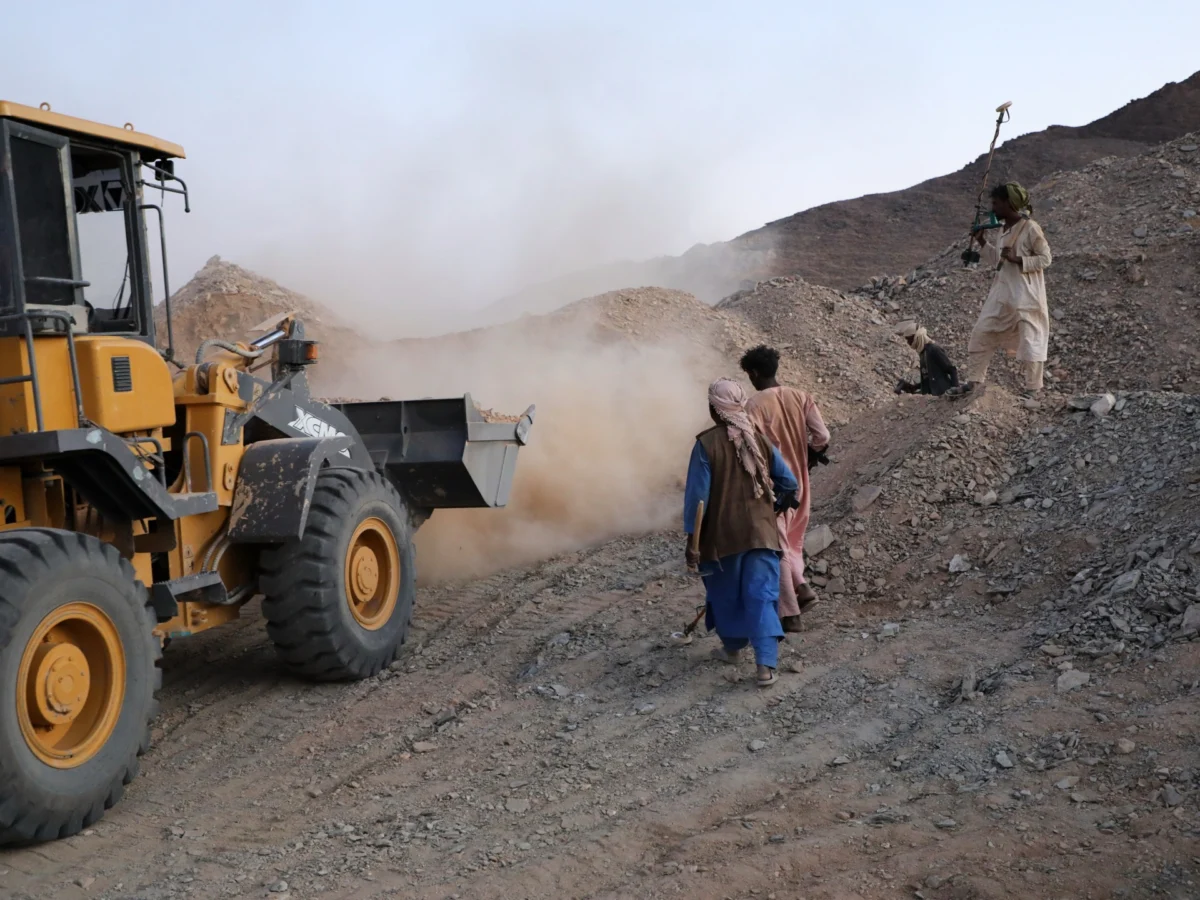
Nearly 100 people have died in recent days following a gold mine collapse in Sudan, driven by wartime desperation and soaring gold prices in a shattered economy.
The deaths underscore the extreme risks civilians face as Sudan’s economic collapse and ongoing conflict push people to seek livelihoods in dangerous informal mining operations. The value of gold has risen sharply, increasing the incentive for risky extraction even as safety conditions remain dire.
Key Facts
- Nearly 100 people have died in recent days in a gold mine collapse in Sudan.
- The deaths occurred during a scramble for gold amid a shattered economy.
- Gold prices have increased, fueling desperate mining activity.
- The collapse is tied to wartime desperation among civilians.
Why the Rush to Gold?
In Sudan’s collapsing economy, gold has become one of the few stable assets available to ordinary people. With local currency losing value and basic goods becoming unaffordable, many civilians have turned to informal gold mining as a means of survival. The ongoing conflict has disrupted traditional employment, leaving few alternatives for income generation.
The rise in global gold prices has further intensified this trend, attracting large numbers of people to mining sites despite the known dangers. Many of these sites lack basic safety infrastructure, and oversight is minimal due to the breakdown of governance in conflict-affected areas.
This combination of economic desperation and increased financial incentive creates a deadly cycle where more people take greater risks for the chance at quick earnings, often with fatal consequences.
What Happens Next?
The situation at the gold mine remained unstable after the collapse, with no official reports on whether rescue efforts were ongoing or if additional casualties were expected. Authorities have not released detailed statements about the cause of the collapse or steps being taken to prevent future incidents.
Given the lack of formal regulation and the continued economic pressures driving people to mine, similar tragedies could recur unless conditions change. Monitoring agencies and humanitarian groups are likely assessing the broader impact on affected communities, though specifics have not yet been made public.
The international community continues to watch Sudan’s deepening crisis, where both conflict and economic failure compound each other in ways that leave civilians vulnerable to exploitation and harm.
What We Know — and What We Don’t
Verified by the source:
- Nearly 100 deaths occurred in recent days related to a gold mine collapse.
- People were scrambling for gold due to a shattered economy.
- The value of gold has grown, contributing to the rush.
Still unconfirmed:
- The exact location of the mine within Sudan.
- The precise number of fatalities or injured survivors.
- The direct cause of the mine collapse.
- Whether any official response or rescue operation is underway.
Why It Matters
This tragedy highlights how war and economic collapse drive people into life-threatening situations. In unstable environments, informal economies thrive under dangerous conditions, and without intervention, such incidents may continue. The international community must track these hidden costs of conflict, where ordinary people pay with their lives for systemic failures beyond their control.
What To Watch
Officials have not yet commented on the collapse or potential measures to address unsafe mining practices. Updates on casualties and government response are expected as the situation develops.
See more on economy and markets and war and geopolitics.