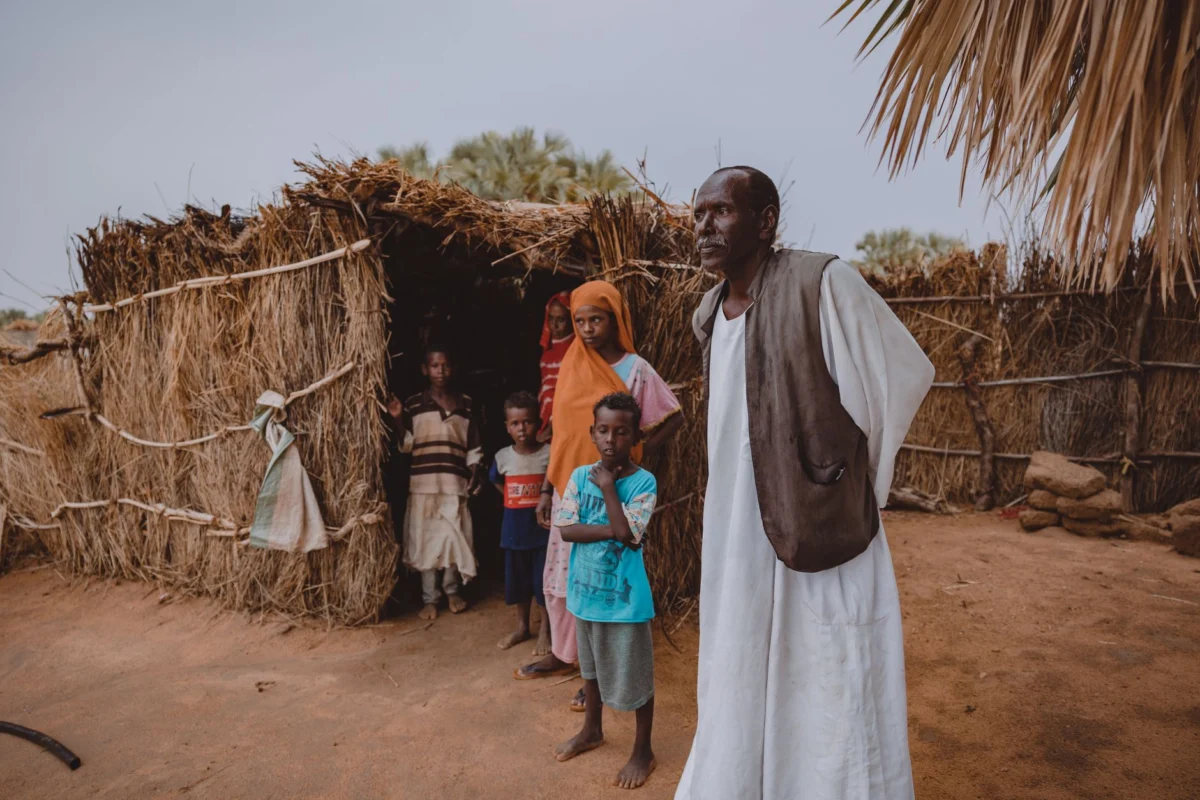
Sudan famine risk has grown more severe as a combination of armed conflict, prolonged drought, and dwindling humanitarian funding leaves vulnerable populations facing acute food insecurity, according to a report cited by AP News. The warning underscores how overlapping pressures are intensifying a crisis that already affects millions of people across the country and neighboring regions.
The report, which surfaced within the past 12 hours through Google News aggregation of site:apnews.com, frames the deterioration as both preventable and urgent. While exact caseloads and geographic breakdowns were not included in the summary, the convergence of three factors—violence disrupting agriculture and supply lines, climate-driven drought reducing viable harvests, and donors falling short of requested aid budgets—suggests that famine conditions could return unless immediate action is taken.
Key Facts
- Sudan famine risk worsened, per a recent report.
- Conflict, drought, and funding shortages identified as main drivers.
- Report surfaced via AP News.
The Story
What drives the rising Sudan famine risk?
The report attributes the rising Sudan famine risk to three reinforcing forces. First, ongoing conflict continues to displace farming communities and interrupt markets that deliver food and supplies to remote areas. Second, drought has reduced water availability for both crops and livestock, shrinking harvests that communities depend on for survival through lean seasons. Third, funding shortages mean that humanitarian agencies cannot scale assistance quickly enough to reach people in time, leaving gaps that increase the likelihood of malnutrition spiraling into famine conditions.
Each of these pressures interacts with pre-existing vulnerabilities, including weak infrastructure and limited access to basic services. When conflict blocks roads, even well-funded programs struggle to operate. Drought reduces the margin of error for families who already rely on unpredictable rainfall. At the same time, delayed or inadequate donor contributions force agencies to prioritize the most extreme cases, often leaving moderately malnourished individuals without support until their conditions become severe.
How did we get here?
To understand how Sudan famine risk reached current levels, it helps to recall the broader pattern of recent instability. Years of political upheaval, combined with cycles of below-average rainfall and chronic underfunding of humanitarian appeals, had already left large segments of the population food insecure before the latest escalation. The addition of fresh waves of violence disrupted seasonal planting and harvesting, while donors faced competing global emergencies that stretched available budgets thin.
The resulting feedback loop means that recovery efforts—even when initially successful—are often short-lived. Communities rebuilt after prior shocks find themselves unprepared for the next shock, whether that is renewed hostilities, an failed rainy season, or another sudden drop in aid financing. Analysts tracking the region have repeatedly warned that incremental responses are insufficient without coordinated, long-term strategies addressing root causes.
What happens next?
The trajectory of Sudan famine risk will largely depend on whether conflict de-escalates, seasonal rains improve crop prospects, and funding scales up before lean season peaks. Without measurable progress on those fronts, experts say the window to prevent a formal famine declaration narrows with each passing week.
What We Know — and What We Don’t
Verified by the source:
- A report cited by AP News warns that Sudan famine risk is worsening.
- Conflict, drought, and funding shortages are named as key contributing factors.
- The report was published or surfaced within the past 12 hours via Google News aggregation of site:apnews.com.
Still unconfirmed:
- Exact numbers of people affected or at risk of famine.
- Specific regions or states within Sudan where risk is highest.
- Names of organizations or individuals authoring or commissioning the report.
- Detailed funding gaps or donor shortfall amounts.
date2025-04-05
Why It Matters
Famines do not occur spontaneously; they emerge when conflict, climate shocks, and governance failures combine with insufficient humanitarian response. Sudan famine risk rising reflects a pattern seen in other fragile states, where overlapping emergencies strain both local coping capacity and international attention. For global readers, deteriorating food security in Sudan also raises the prospect of increased refugee flows, regional instability, and heightened demand for emergency aid that competes with other international priorities.
Because early intervention is far cheaper and more effective than responding after mass starvation begins, the current warning serves as a call for accelerated planning and resource mobilization. Even if precise data remains limited, the core message is clear: without action across security, climate adaptation, and financing tracks, preventable deaths become far more likely.
What To Watch
Stakeholders should monitor whether upcoming donor conferences produce concrete funding commitments, whether humanitarian access improves in conflict-affected areas, and whether seasonal forecasts align with or complicate already strained food security projections for Sudan and surrounding countries.