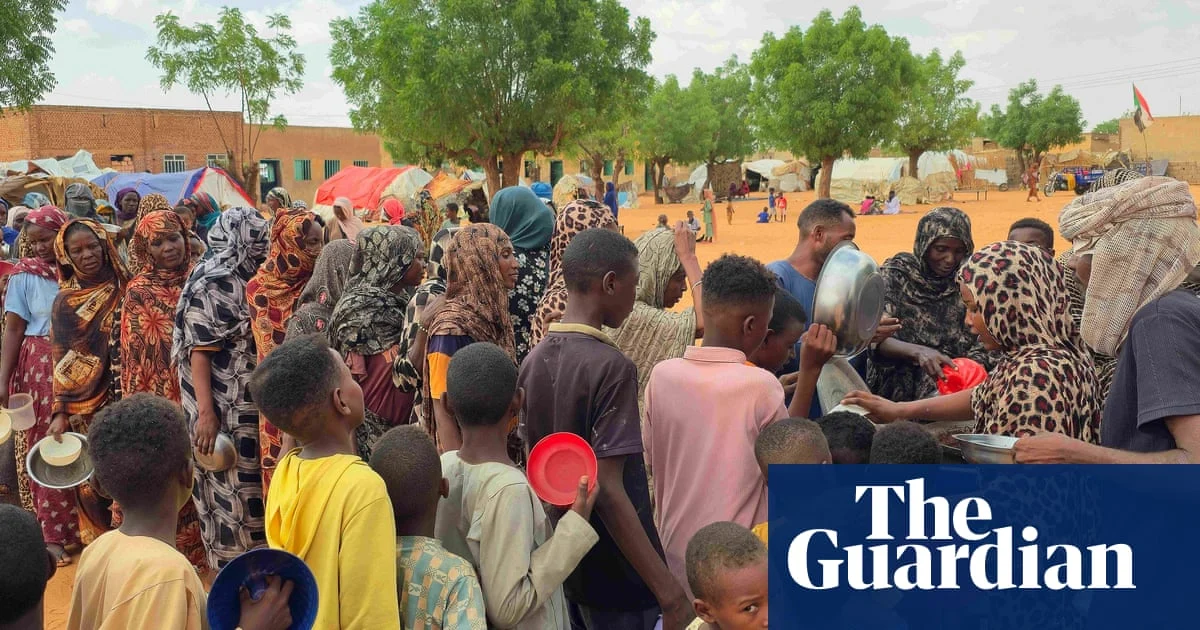
The Sudanese city of El Obeid and its surrounding camps face worsening humanitarian conditions as civilians continue fleeing violence between the Sudanese Armed Forces and Rapid Support Forces (RSF) militia. Over 15,000 families have arrived since mid-July, adding to more than 200,000 displaced earlier in the year.
Those displaced report dire conditions in the camps and city outskirts. Humanitarian organizations warn resources are stretched thin as new arrivals continue daily from conflict zones across Sudan’s countryside.
Key Facts
- Over 15,000 families displaced to El Obeid since mid-July 2026
- Government figures show 200,000+ arrived in first half of 2026
- Conditions deteriorating in city and two surrounding camps
- Civilians fleeing fighting between Sudanese Armed Forces and RSF
The Humanitarian Crisis
The exodus to El Obeid represents one of the largest internal displacement events in Sudan’s ongoing civil war. Situated in North Kordofan state, the city has become a major refuge point for those escaping violence between the regular military and paramilitary RSF forces.
Humanitarian organizations face mounting challenges assisting the displaced population. With infrastructure strained and resources limited, basic needs like shelter, clean water, and medical care are increasingly scarce for both new arrivals and those displaced earlier.
What We Know — and What We Don’t
Verified by the source:
- 15,000+ families arrived in El Obeid since mid-July
- 200,000+ displaced to area in first half of 2026 (government figures)
- Conditions deteriorating in city and two specified camps
Still unconfirmed:
- Exact current total population in displacement camps
- Specific humanitarian aid shortfalls or casualty figures
- Military situation causing latest displacement wave
Why It Matters
The growing crisis in El Obeid reflects the broader humanitarian disaster unfolding across Sudan as fighting between military factions enters its third year. Mass displacement threatens regional stability and creates long-term challenges for host communities already struggling with limited resources. Similar patterns have emerged in other conflict zones globally where civilian populations become trapped between warring factions.
What To Watch
Humanitarian organizations will likely face increased strain as Sudan’s rainy season begins, potentially worsening camp conditions. International response efforts may increase if access to the area improves.