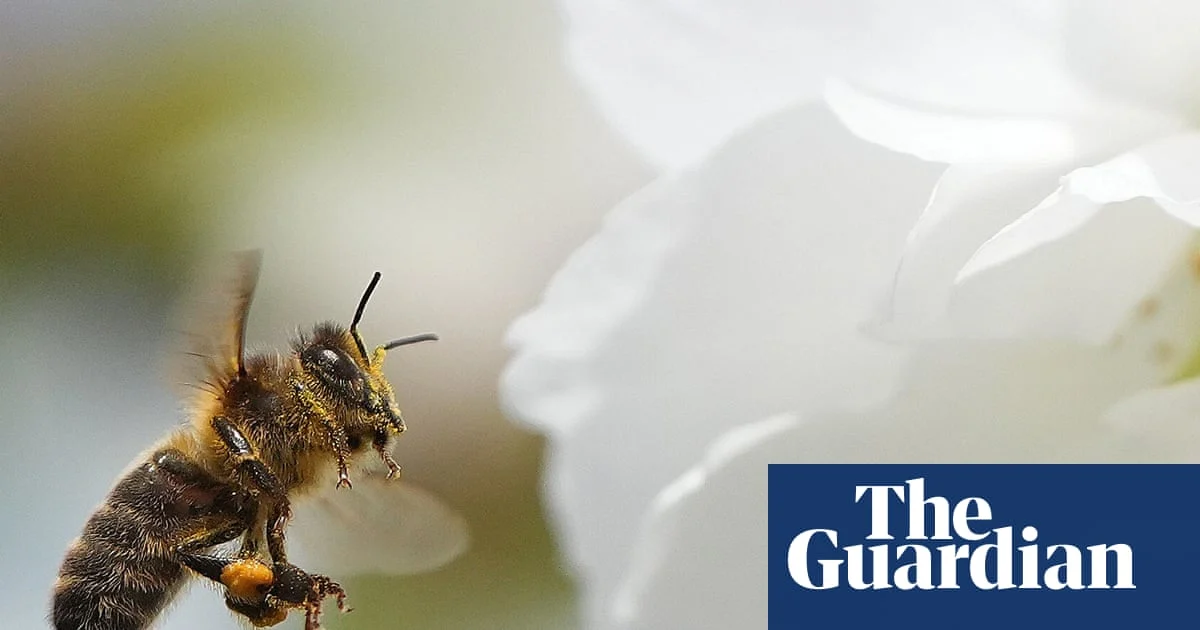
Wild bee decline
A study released as the UN biodiversity summit Cop17 begins in Armenia reports that most of Europe’s wild bee species and about half of its hover fly species have declined over the last century. The research draws on records dating back to 1921 and finds more bee species are declining than increasing across nearly all European regions, with the Alpine region the sole exception.
According to The Guardian, the study highlights persistent drops in species richness for bees and hover flies in the Atlantic and Continental regions, while trends in other areas were mixed or positive. The findings arrive amid global concern over pollinator populations and their role in food security and ecosystem health.
Key Facts
- Most of Europe’s wild bee species have declined over the last century.
- About half of Europe’s hover fly species have also declined.
- More bee species are declining than increasing in all parts of Europe except the Alpine region.
- Species richness dropped persistently in the Atlantic and Continental regions.
- Trends in other European regions were mixed or positive.
How did we get here?
The study analyzed long-term records beginning in 1921, offering a century-long view of bee and hover fly population changes across Europe. Such extended datasets are rare and provide critical insight into how pollinator populations have responded to land-use changes, agricultural intensification, climate shifts, and habitat loss over the past 100 years. The sustained decline in species richness suggests cumulative environmental pressures rather than isolated events.
While the study does not attribute specific causes to individual regions, the broad pattern underscores the vulnerability of pollinators across much of Europe. The exception of the Alpine region hints that elevation or climate-specific factors may offer some protection, but the report does not elaborate on why this region bucked the continental trend.
The timing of the study coincides with Cop17, held in Armenia, where biodiversity conservation is a central theme. The findings may inform discussions on protecting pollinator habitats and strengthening monitoring efforts.
Who is affected?
The decline in wild bee and hover fly species has implications far beyond nature conservation. These insects are vital pollinators for wild plants and a significant portion of global food crops. Reduced pollinator diversity can lead to lower crop yields, decreased genetic diversity in plants, and weakened resilience in natural ecosystems.
While the study does not quantify economic or agricultural impacts directly, the loss of pollinator species is widely linked to risks in food production systems. Farmers and consumers may ultimately feel the effects through changes in crop availability and food prices, though the study itself does not make these connections explicitly.
What we know
Verified by the source:
- More bee species are declining than increasing in all parts of Europe except the Alpine region.
- Most of Europe’s wild bee species and about half of its hover fly species have declined over the last century.
- Species richness fell persistently in the Atlantic and Continental regions.
- Trends in other regions were mixed or positive.
Still unconfirmed:
- No specific causes for the declines are identified.
- The exact number of species studied is not provided.
- It is unclear whether the study includes data from all European countries.
- No regional breakdowns beyond broad geographic distinctions are given.
Why it matters
Wild bees and hover flies underpin the health of natural ecosystems and agricultural systems throughout Europe. Their decline signals broader environmental degradation and could jeopardize food security, plant biodiversity, and rural livelihoods. The study’s release during a UN biodiversity summit emphasizes the urgency of addressing habitat loss and other threats to pollinators before the problem becomes irreversible.
What to watch
Further details on conservation strategies and potential policy responses may emerge from Cop17 discussions in Armenia. Experts will be watching whether the study prompts concrete commitments to protect pollinator habitats across Europe.
Europe’s wild bee decline reflects a century-long shift in environmental conditions, and continued monitoring will be essential to track recovery or further loss.