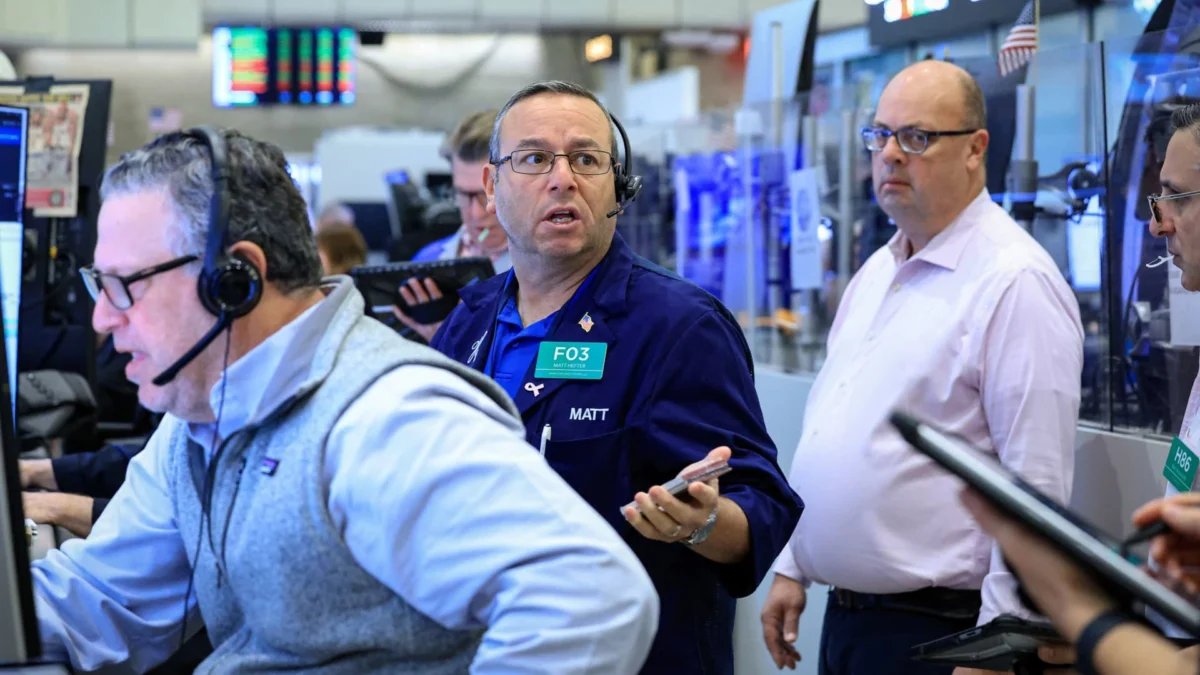
Stock futures inched higher as Treasury yields continued their upward climb, reflecting investor caution as bond markets signal tighter financial conditions.
The 30-year Treasury yield reached levels not seen since June 2002, a milestone that reverberated through equity markets. The Dow Jones Industrial Average fell more than 100 points as higher yields pressured growth-heavy stocks reliant on low-rate environments.
Key Facts
- Stock futures edged higher as Treasury yields rose higher
- The 30-year Treasury yield hit levels last seen in June 2002
- The Dow dropped over 100 points amid rising yields
What Drives Movements Like This?
The rise in Treasury yields reflects broader concerns about inflation, Federal Reserve policy, and government debt supply. When long-term yields increase, borrowing costs rise, and stocks—especially those valued on future earnings—often face downward pressure.
The 30-year bond yield reaching 2002-era highs suggests a major shift in investor sentiment toward fixed-income assets. Investors are demanding higher returns as economic uncertainty persists, and central banks signal fewer rate cuts ahead.
Futures markets showed modest gains despite equity losses, indicating that some investors remain optimistic even as volatility climbs. Traders are closely watching yield curve dynamics, which historically forecast recession when inverted.
Who Is Affected by These Swings?
Retirement savers with exposure to bond funds may see portfolio values decline as yields rise. Fixed-rate mortgage holders benefit slightly from lenders adjusting pricing models, though new borrowers face higher loan costs.
Companies issuing debt must pay more to attract investors, increasing capital expenditure burdens. Tech firms with stretched valuations often suffer first as discount rates climb, affecting employee stock options and compensation packages.
Policymakers observe these shifts while balancing inflation control against growth risks. Their next steps could determine whether markets stabilize or experience deeper corrections over the weeks ahead.
What We Know — and What We Don’t
Verified by the source:
- Stock futures rose slightly despite rising Treasury yields throughout trading
- The 30-year Treasury bond yield reached its highest level since June 2002
- The Dow Jones fell by more than 100 points during the session
Still unconfirmed:
- Exact yield percentage figures
- Federal Reserve reaction signals
- Specific timeline for further rate decisions
- Impact across individual sectors
Why It Matters
Rising Treasury yields reshape how investors weigh risk and reward. As borrowing becomes costlier, economic activity slows—a pattern central banks watch carefully when setting monetary policy.
What To Watch
Investors await upcoming economic reports that may clarify whether current yield trends mark temporary turbulence or sustained change.