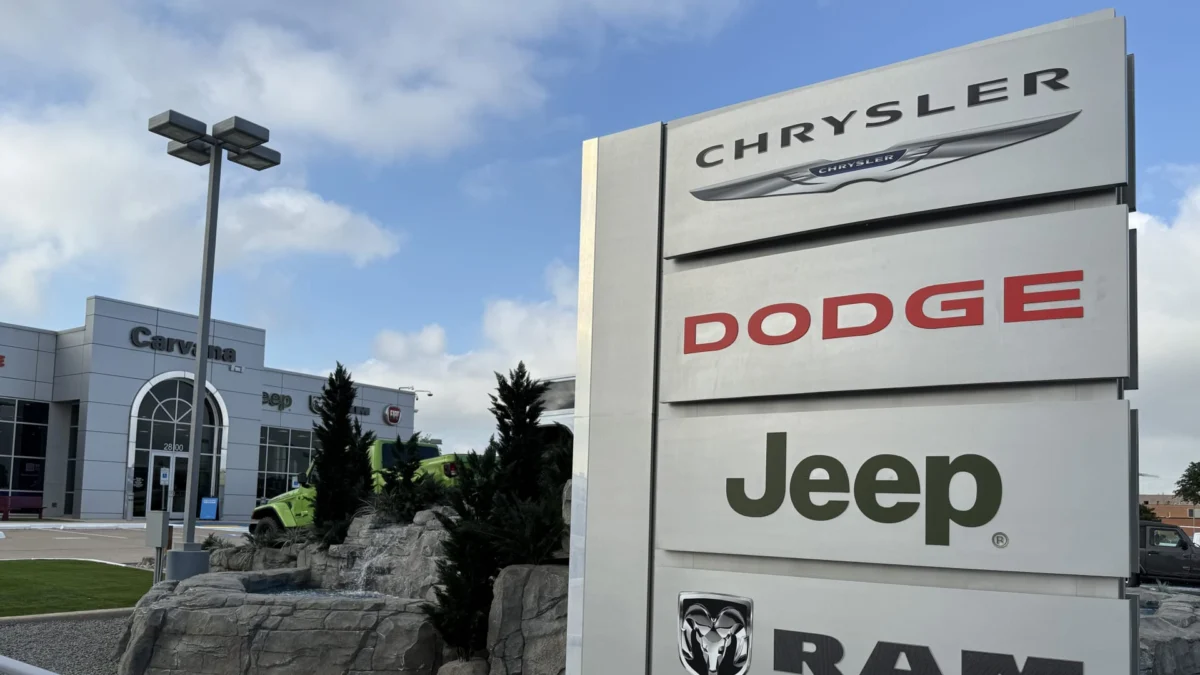
Stellantis reported a $4.5 billion cash drain in the third quarter as its turnaround plan continues. The figure underscores the financial strain of restructuring programs aimed at reviving performance across its global brands.
The European automaker disclosed the shortfall in a statement on Wednesday, noting that the cash burn reflects investments and operational costs tied to its broader turnaround strategy. While details remain limited, the scale of the outflow highlights how aggressively the company is pursuing changes intended to stabilize its market position and improve long-term profitability.
KEY FACTS
- Stellantis cash drain reached €4 billion ($4.5 billion) in the third quarter.
- The shortfall was reported on Wednesday by the European car giant.
- The outflow is tied to a massive turnaround plan under way.
- The company did not provide additional specifics on the turnaround timeline.
What Is the Cash Drag?
The cash drain of €4 billion translates to an immediate reduction in liquidity. For investors and analysts, such a large quarterly deficit signals that turnaround costs are running higher than previously signaled. It also implies that operating cash flow was insufficient to cover capital spending and restructuring charges. The automaker has not broken down which regions or brands contributed most to the shortfall, leaving questions about the geographic spread of the cash drain.
Turnaround plans typically involve plant closures, model discontinuations, and workforce adjustments. These moves often produce upfront costs that reduce cash before benefits materialize. Without knowing the precise components of the €4 billion, it is unclear whether the cash drain is concentrated in Europe, North America, or emerging markets. Investors will likely watch commentary for clues on how quickly the outflow can be contained.
How Did We Get Here?
The cash drain follows a period of declining sales volumes and margin pressure across several key markets. Stellantis had already warned that transformation-related expenses would weigh on near-term results. The third-quarter shortfall suggests that those costs are heavier than earlier guidance implied. Analysts have cited legacy pension obligations and supply-chain disruptions as potential contributors.
Read more about shifting market dynamics in our economy and markets coverage. The automaker previously merged PSA and FCA to form today’s Stellantis, adding complexity to integration efforts.
WHAT WE KNOW — AND WHAT WE DON’T
Verified by the source:
- The third-quarter cash shortfall was €4 billion.
- The announcement was made on Wednesday.
- The shortfall is linked to an ongoing turnaround plan.
Still unconfirmed:
- Breakdown of where the cash drain originated geographically.
- Timeline for when turnaround investments will yield savings.
- Executive commentary or formal guidance beyond the summary.
Why It Matters
Large automotive cash flows affect credit ratings and investor confidence. A sustained cash drain could raise concerns about debt capacity and delay promised shareholder returns, making this a closely watched indicator of the company’s broader market resilience.
What To Watch
Investors will look for follow-up commentary from Stellantis management and any revised financial outlook tied to its turnaround progress. Broader economy and markets reaction may also shape sentiment across global automakers.