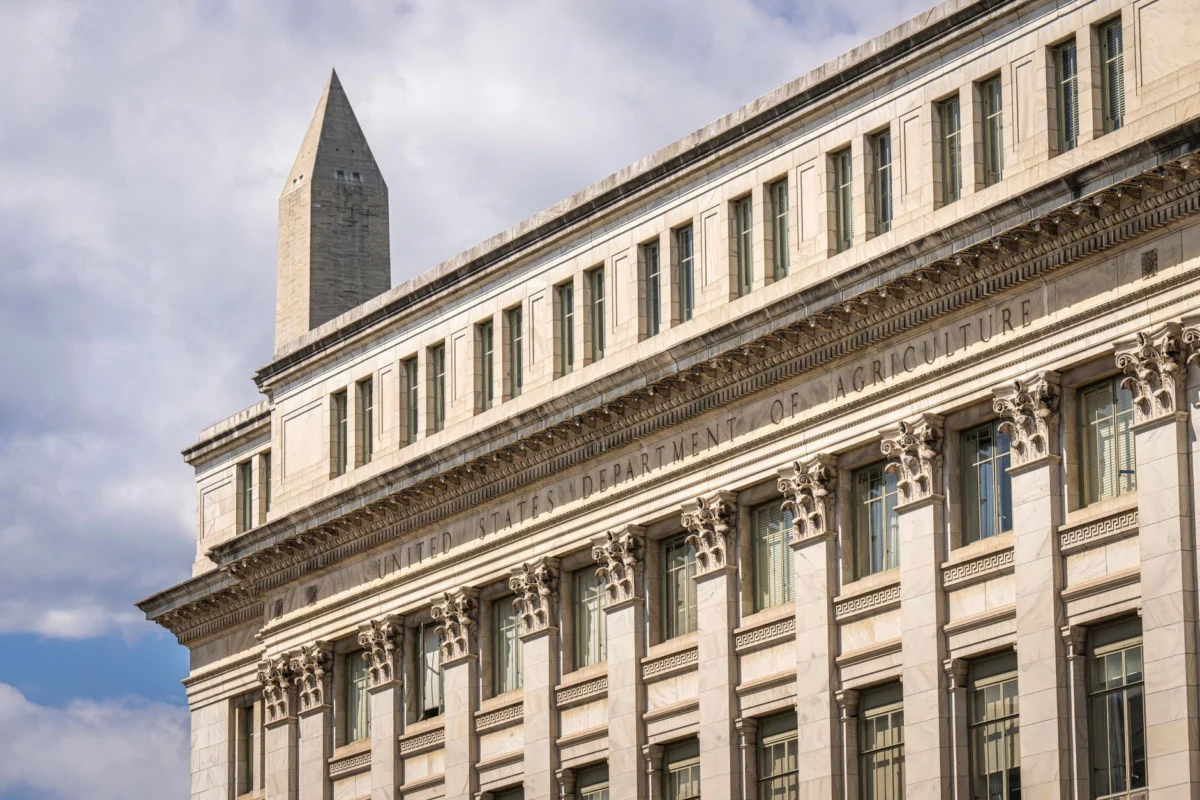
AP News reports that State Department reports downplay the dangers in countries that asylum seekers are fleeing. The finding suggests a potential disconnect between diplomatic assessments and the conditions prompting people to seek protection abroad.
The headline alone frames a significant tension: government evaluations that shape asylum adjudication may systematically understate the very threats that cause displacement. Without access to the underlying reporting, the scope and specific countries involved remain unclear.
Key Facts
- AP News reports State Department reports downplay dangers in asylum-seekers’ origin countries
- The assessment originates from State Department country condition documentation
- Asylum adjudicators rely on these reports for credibility determinations
- Downplaying dangers could affect grant rates for protection claims
- No specific countries, reports, or timeframes are identified in the headline
How Country Reports Shape Asylum Outcomes
The U.S. State Department produces annual Country Reports on Human Rights Practices and other assessments that immigration judges and asylum officers use as primary evidence. These documents describe political repression, violence, discrimination, and rule-of-law conditions worldwide. When applicants testify about persecution, adjudicators compare their accounts against these official narratives.
If State Department reports consistently characterize conditions as less severe than applicants describe, decision-makers may find testimony not credible. This dynamic creates a structural advantage for denial: the government’s own documentary record becomes the benchmark against which fleeing individuals are measured.
What Happens When Assessments Diverge From Reality?
Human rights organizations and former asylum officers have long argued that diplomatic reporting can reflect political priorities rather than ground truth. Countries with strategic importance may receive more favorable treatment. Conversely, adversarial nations might see conditions emphasized. Neither pattern serves the statutory mandate to protect those facing persecution.
Applicants from countries where State Department reports minimize abuses face a higher burden. They must overcome the official record with specific, corroborated evidence — often impossible to obtain from the very regimes they fled. The result can be a systemic denial of valid claims.
What We Know — and What We Don’t
Verified by the source:
- AP News published a story with the headline: “State Department reports downplay the dangers in countries that asylum seekers are fleeing”
- The story appeared within the last 12 hours per the Google News search parameter
Still unconfirmed:
- Which specific countries or reports are referenced
- Whether the downplaying is systematic or case-specific
- What methodology AP used to reach this conclusion
- Whether State Department or DHS has responded
- Any quantitative analysis of grant-rate impacts
- Names of specific reports, officials, or time periods covered
Why It Matters
Asylum law requires individualized determinations, but country condition reports function as de facto precedents. If State Department reports reliably understate danger, the protection system develops a blind spot: the most vulnerable applicants from the most misrepresented countries face the steepest odds. This undermines both U.S. treaty obligations and the credibility of the adjudication process itself.
What To Watch
The full AP article may identify specific reports, countries, or internal dissent. Congressional oversight committees could request hearings on report methodology. Advocacy groups may file FOIA requests for drafting records. Any of these would test whether the pattern is bureaucratic inertia or policy-driven distortion.