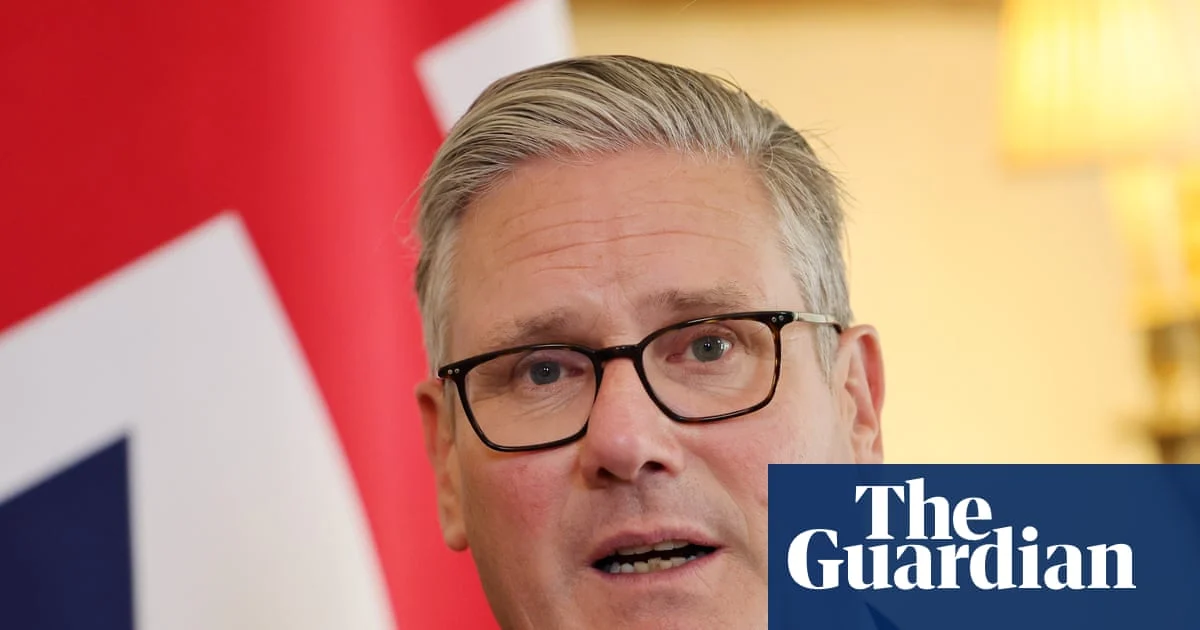
Prime Minister Keir Starmer has warned Andy Burnham that a future leader will not be able to devote less time to diplomacy.
In a BBC interview, Starmer also described his resignation as an “intensely personal” decision after two years as prime minister.
Key Facts
- Starmer warned Burnham that reducing time on diplomacy is not possible.
- The warning was given during a BBC interview.
- Starmer called his resignation an intensely personal decision.
- He has been prime minister for two years.
What does the warning mean for the next leader?
The comment suggests that international affairs will remain a central responsibility for whoever succeeds Starmer. No details were given about how this will affect domestic policy.
How did Starmer characterize his resignation?
He said the decision to step down was intensely personal, emphasizing that it was his own choice rather than political pressure.
What happens next?
Burnham is expected to become the likely successor, but the timeline for any transition has not been detailed.
What We Know — and What We Don’t
Verified by the source:
- Starmer warned Burnham about diplomacy time.
- Starmer described his resignation as intensely personal.
- The interview was with the BBC.
Still unconfirmed:
- Exact date of Burnham’s succession.
- Specific diplomatic priorities that will dominate.
- Details of the internal party process.
Why it matters: Understanding the emphasis on diplomacy signals that foreign policy will stay at the forefront of UK politics, affecting international relationships and trade.
What to watch: Follow announcements from the Labour party on leadership timing and any further statements on the diplomatic agenda.