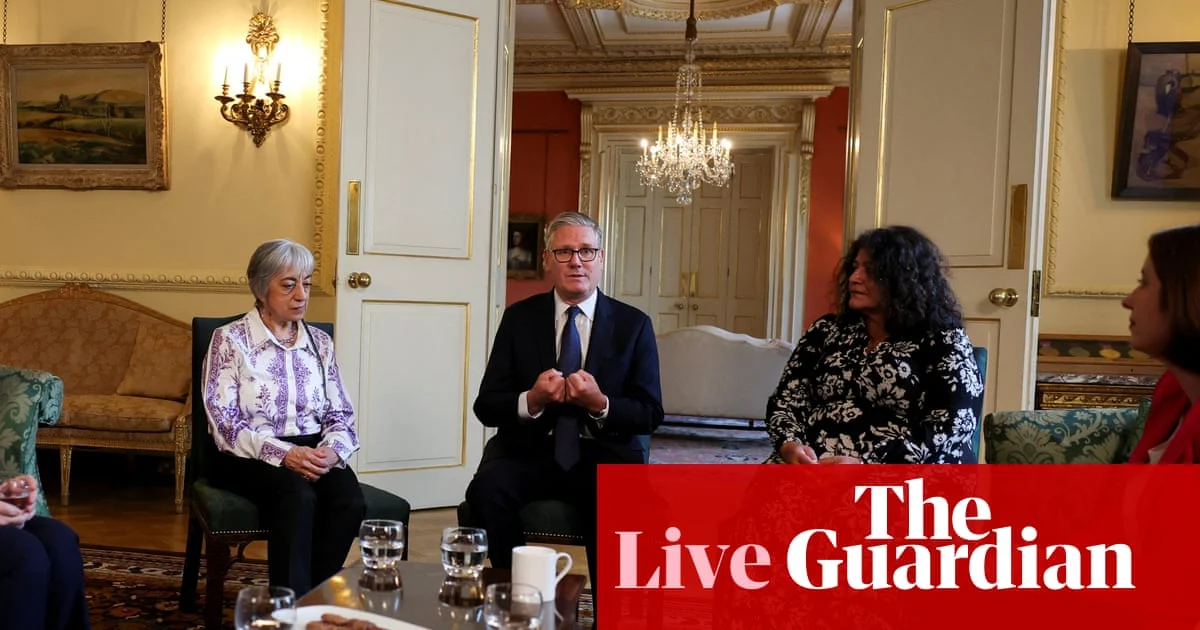
Prime Minister Keir Starmer publicly apologised for the forced adoption of children in England and Wales, calling the practice a “stain on our history”.
The apology referenced an estimated 185,000 babies taken from unmarried mothers between 1949 and 1976 and highlighted the coercion, bullying and misinformation that pressured vulnerable mothers into surrendering their children.
Key Facts
- Between 1949 and 1976, around 185,000 babies were taken from unmarried mothers in England and Wales.
- Keir Starmer described the forced adoption practice as a “stain on our history”.
- The apology noted that mothers were often coerced, bullied or misled into believing they had no choice.
How Did This Happen?
The Guardian report states that many unmarried mothers, many of them young and vulnerable, faced pressure from authorities and social services to place their children for adoption. The lack of support and the societal stigma of unwed motherhood created a context in which mothers felt forced to comply.
Who Is Affected?
The apology affects tens of thousands of mothers, children and families who experienced forced adoption. Starmer said he found the testimonies difficult to read, particularly as a father, and acknowledged the ongoing pain for those involved.
What Happens Next?
The statement did not outline specific policy actions, but the public acknowledgment signals potential governmental review of the forced adoption era and may lead to further support for survivors.
What We Know — and What We Don’t
Verified by the source:
- The forced adoption period covered 1949‑1976.
- Approximately 185,000 babies were taken from unmarried mothers.
- Keir Starmer issued an apology labeling the practice a stain on history.
- The apology referenced coercion, bullying and misinformation toward mothers.
Still unconfirmed:
- Any concrete governmental measures or compensation schemes forthcoming.
- Exact numbers of surviving victims who will seek redress.
- Whether a formal inquiry or report will be commissioned.
Why it matters: Acknowledging past injustices helps shape public policy, informs current debates on child welfare and adoption, and offers a measure of recognition to those harmed.
What to watch: Further statements from the government or legislative proposals addressing forced adoption will indicate how the apology translates into concrete action.