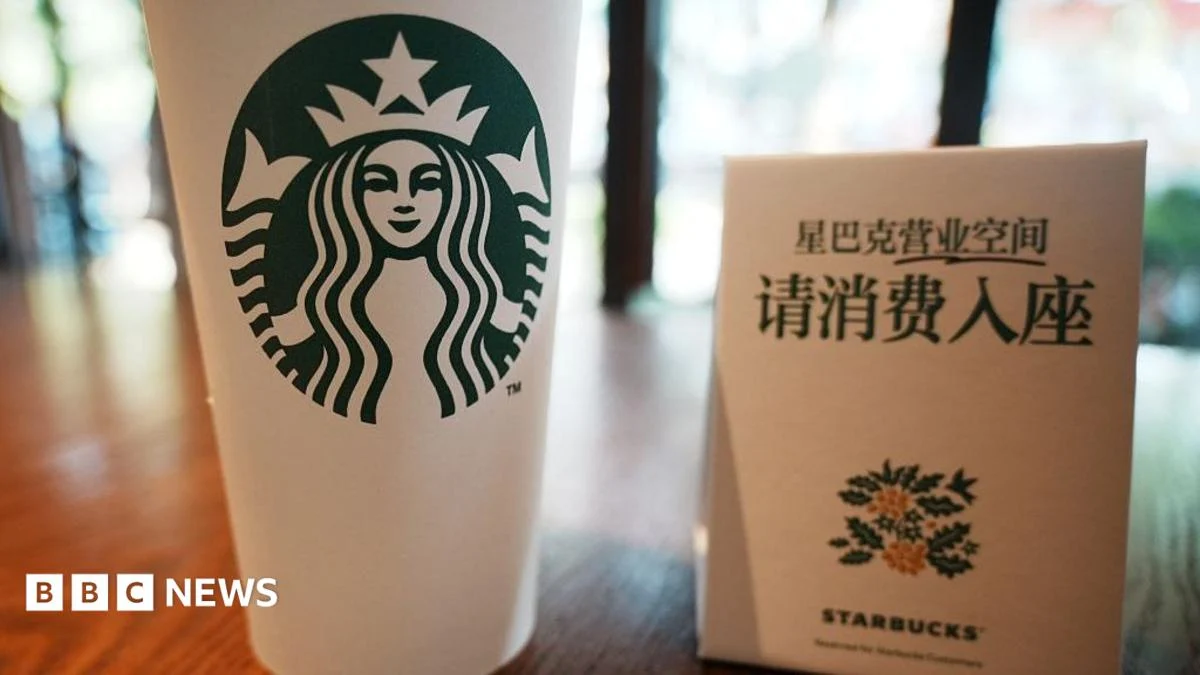
Starbucks China has rolled out a new store policy requiring customers to make a purchase before occupying seating, marking a shift in how the coffee chain manages its physical spaces. The policy is part of what Starbucks describes as broader efforts to improve the in-store experience for customers.
The move comes as Starbucks faces intensifying competition from local Chinese coffee brands and fastcasual chains, which have been steadily capturing market share in the country’s rapidly expanding coffee culture. While Starbucks has not disclosed specific metrics behind the policy change, the company indicated that the adjustment aims to balance customer access with operational efficiency.
Key Facts
- Starbucks China introduced a new store policy requiring customers to order before sitting.
- The policy is intended to improve the in-store customer experience.
- Starbucks is competing with homegrown rivals in the Chinese market.
How did we get here?
Starbucks has operated thousands of stores across China and has long positioned the country as a key growth market. In recent years, domestic competitors such as Luckin Coffee and other regional chains have challenged Starbucks’ dominance by offering lower prices, mobile-first ordering systems, and localized store designs.
This evolving landscape has pressured Starbucks to refine its operational model. The new seating policy appears to reflect an effort to streamline customer flow, reduce congestion, and ensure that seating availability aligns with actual demand. By requiring purchases for seating access, Starbucks may be attempting to mirror practices common in other food and beverage chains where occupancy is tied to transaction volume.
The policy also signals a possible rethinking of the “third place” concept—the idea that cafes serve as informal community gathering spots. While Starbucks built much of its brand identity around being a welcoming space, the new rule introduces a transactional threshold for lingering, potentially reshaping how consumers interact with its stores.
What happens next?
Starbucks China has not provided a timeline for when the policy will be fully implemented or whether it will apply uniformly across all locations. Customer reactions remain unclear, and it is uncertain whether the rule will be enforced through signage, staff training, or digital systems such as mobile app integration.
Local competitors may watch closely for signs of customer pushback or measurable shifts in foot traffic. If the policy proves effective in improving store throughput or profitability, other international chains operating in China might consider similar measures. Conversely, significant backlash could prompt Starbucks to adjust or clarify its approach.
Verified by the source:
- Starbucks China has implemented a new policy requiring customers to order before sitting.
- The stated purpose is to improve the in-store customer experience.
Still unconfirmed:
- Exact date or rollout plan for the policy.
- Whether the rule applies to all store formats or regions.
- Customer response or measurable impact on sales.
This development underscores the competitive pressure facing global brands in China, where consumer preferences and market dynamics evolve rapidly. Geopolitical tensions and shifting economic conditions continue to influence how multinational corporations adapt their business models.
Observers will be watching for further details on enforcement mechanisms and whether this reflects a wider trend among international retailers in the economy and markets segment.