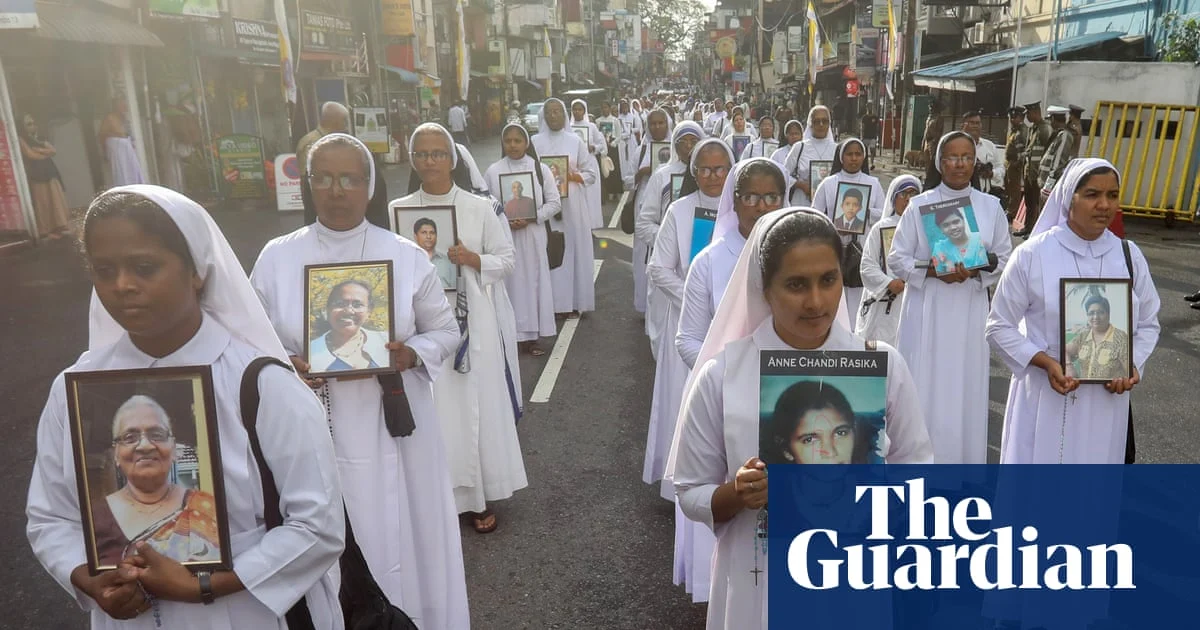
A Sri Lankan court convicted 15 men for their roles in the 2019 Easter bombings, sentencing each to at least 200 years in prison. The coordinated suicide attacks targeted churches and hotels during Easter celebrations, killing 267 people and wounding nearly 600.
The bombings, described as among the deadliest in Sri Lanka’s history, were inspired by the Islamic State group. The attacks occurred on April 21, 2019, striking three churches and three hotels across the country during Easter services and festivities.
**Key Facts:**
- 15 men convicted for the 2019 Easter bombings
- Each sentenced to at least 200 years in prison
- 267 people killed in the attacks
- Nearly 600 people wounded
- Bombings inspired by the Islamic State group
**What happens next?**
With sentences of 200+ years each, the 15 convicted individuals will remain incarcerated for life. The case marked one of the most significant counterterrorism prosecutions in Sri Lanka following the 2019 attacks. Legal proceedings related to additional suspects or appeals have not been detailed in available reporting.
The Easter bombings represented a turning point in Sri Lanka’s security landscape. The attacks, which targeted civilian gatherings during a religious holiday, shocked both the nation and international communities. The April 21, 2019 incident highlighted vulnerabilities in counterterrorism preparedness and raised questions about intelligence sharing.
**Who is affected?**
The bombings claimed 267 lives and injured nearly 600 people, leaving families and communities across Sri Lanka grieving. Victims included worshippers at three churches and civilians at hotels during Easter celebrations. The attacks affected people of multiple faiths and backgrounds, as churches and public spaces were targeted during a widely observed holiday.
**How did we get here?**
Nearly six years after the attacks, Sri Lankan authorities pursued legal action against those responsible. The April 21, 2019 bombings were among the deadliest in the nation’s history, prompting domestic and international investigations. Prosecutors attributed the attacks to an Islamic State-inspired cell operating within Sri Lanka.
**What We Know — and What We Don’t**
Verified by the source:
- 15 men were convicted and sentenced to at least 200 years in prison each
- 267 people were killed in the 2019 Easter bombings
- Nearly 600 people were wounded
- The attacks targeted three churches and three hotels
- The bombings occurred on April 21, 2019
Still unconfirmed:
- Names or identities of the 15 convicted individuals
- Court location and legal procedures used in the trial
- Whether all perpetrators have been apprehended or prosecuted
- Long-term psychological and economic impact on survivors
- Specific IS affiliation mechanisms or foreign connections
**Why It Matters**
The convictions offer accountability for one of South Asia’s deadliest terrorist attacks, which killed 267 people and injured nearly 600. The case reflects broader regional challenges in prosecuting transnational extremism. Learn more about [war-geopolitics](https://www.sourcerated.com/war-geopolitics).
**What to Watch**
Further legal proceedings, including potential appeals, may emerge as the case develops. Updates will likely depend on continued judicial processes and security assessments.
A Sri Lankan court sentenced 15 men to hundreds of years in prison for the 2019 Easter bombings that killed 267 people and wounded nearly 600.