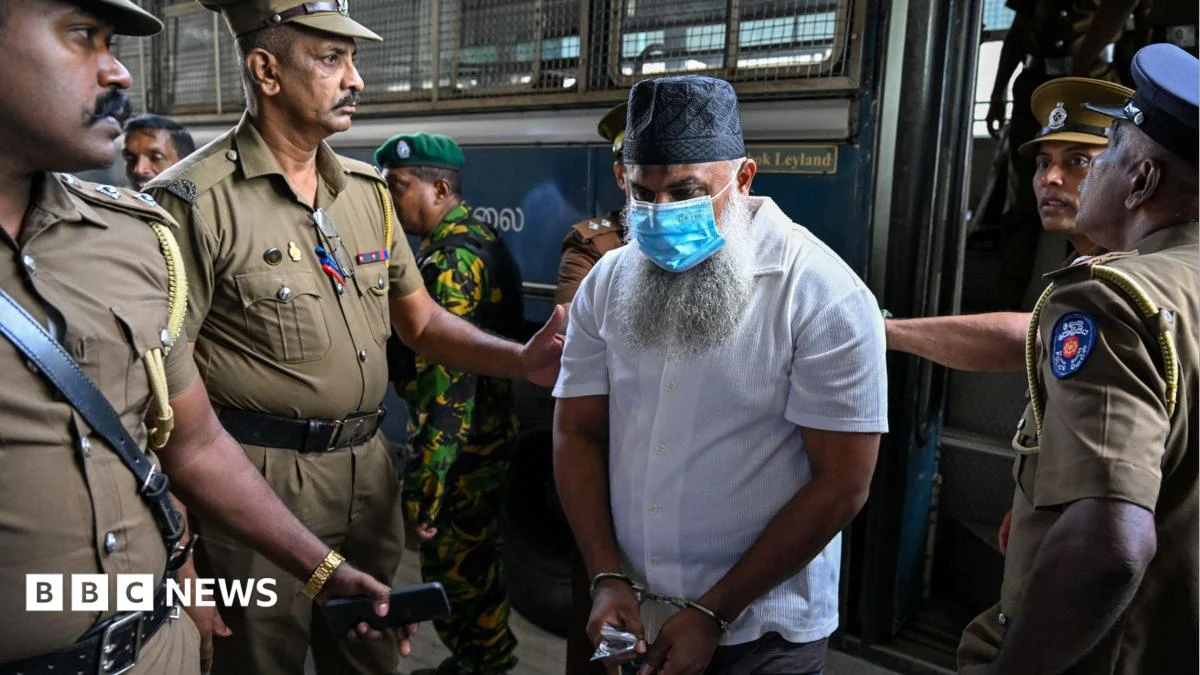
COLOMBO — A Sri Lankan court has convicted 15 men over the deadly Easter Sunday bombings, a 2019 attack that killed 270 people and deeply scarred the nation. The convicted individuals were found guilty in connection with a coordinated series of explosions that targeted religious sites and luxury venues during one of the country’s most significant holidays.
The bombings, which occurred a year after the conclusion of Sri Lanka’s civil war, marked one of the deadliest acts of violence in the country’s post-war history. The court’s decision comes after years of investigation and trial proceedings that have drawn intense public scrutiny regarding national security and justice.
Key Facts
- 15 men convicted over the Easter Sunday bombings.
- Three churches and three luxury hotels were targeted.
- The attacks occurred in 2019.
- 270 people were killed.
What the Convictions Mean
The convictions represent a major legal milestone in Sri Lanka’s efforts to seek accountability for the Easter Sunday attacks. The coordinated bombings struck during Easter services and busy hotel settings, resulting in mass casualties and widespread fear.
Easter Sunday bombings are among the most devastating acts of terrorism in recent Sri Lankan history. The attacks, which targeted symbols of faith and commerce, were carried out by suicide bombers and shocked both local communities and international observers.
Investigators spent years identifying suspects and gathering evidence. Some of those convicted had been linked to radical networks operating within the country. Their trials were closely watched by human rights groups, families of victims, and foreign governments.
What Happens Next?
Following the convictions, legal experts say sentencing proceedings will take place in due course. Under Sri Lankan law, those found guilty of terrorism-related charges face lengthy prison terms or even the death penalty, though executions have been rare in practice.
Victim advocacy groups have called for transparency throughout the sentencing phase. Many families have spent years seeking answers about how the attacks were planned and why early warnings may not have been acted upon in time.
Authorities say they are reviewing security protocols to prevent future incidents. The case continues to influence debates over counterterrorism measures and intelligence sharing in the region.
What We Know — and What We Don’t
Verified by the source:
- 15 men were convicted in relation to the Easter Sunday bombings.
- Three churches and three luxury hotels were targeted.
- 270 people died as a result of the attacks.
- The attacks occurred in 2019.
Still unconfirmed:
- Specific names or identities of those convicted.
- Exact dates of the court ruling or trial start.
- Details of sentencing or prison terms.
- Whether additional suspects remain at large.
Why It Matters
The Easter Sunday bombings disrupted Sri Lanka’s social fabric and intensified global concerns about religious extremism. Holding perpetrators accountable is seen as vital to restoring public trust and reinforcing the rule of law. Related developments are tracked under war and geopolitics and politics.
What To Watch
Sri Lankan legal officials have yet to announce a timeline for sentencing. How the judicial process unfolds may shape regional approaches to prosecuting terrorism-linked cases.