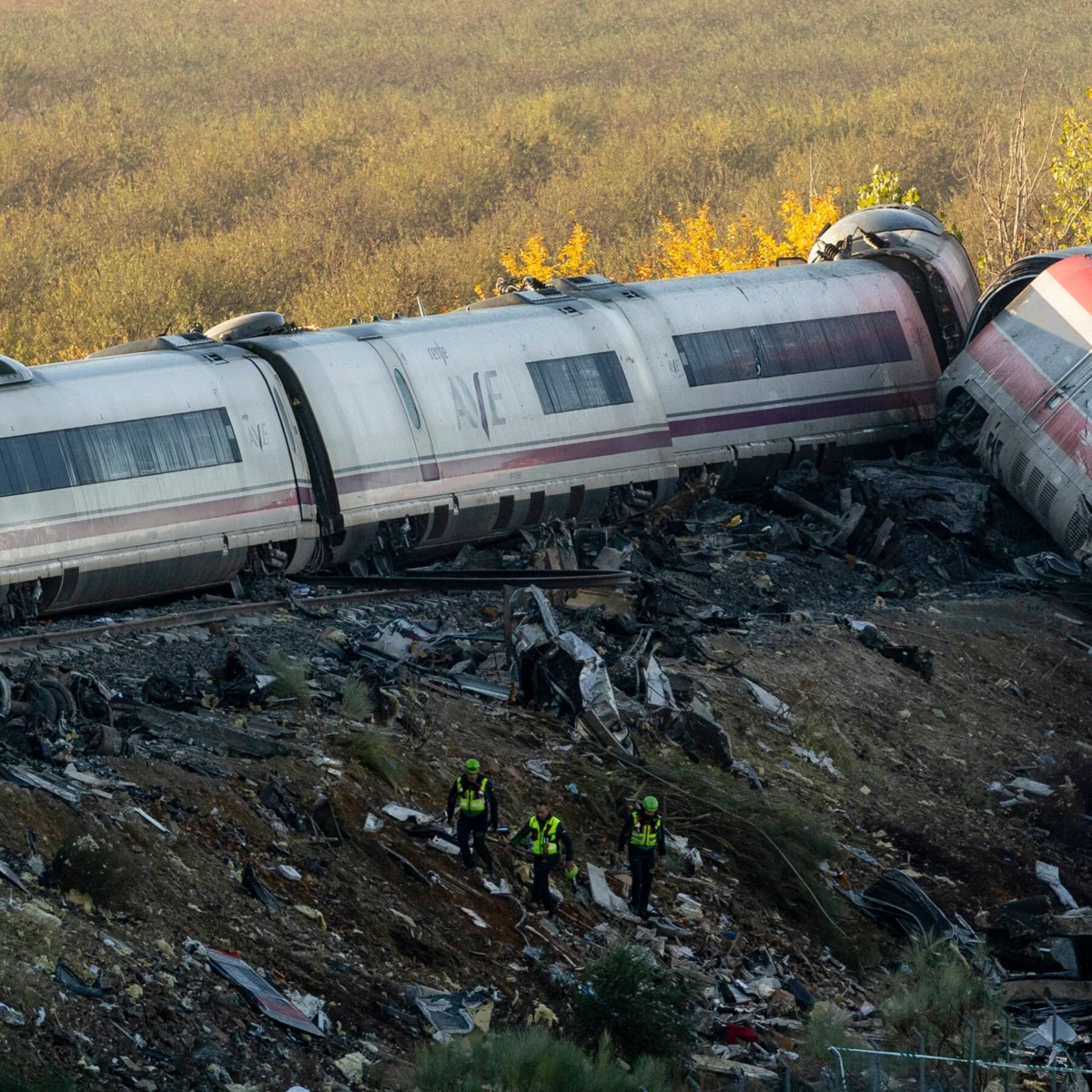
Spain’s train traffic controllers became the focus of a rail safety investigation after the country’s second major rail disaster in a year, raising new questions about the stability of its once-praised rail network.
The latest incident occurred less than twelve months after another significant derailment, prompting public concern over whether recent safety improvements had been adequately implemented across the system.
Key Facts
- Investigators are focusing on the role of train traffic controllers in the recent Spanish rail crash.
- This marks the second major rail disaster in Spain within a year.
- The crash has reignited debate over the safety of Spain’s rail system.
- The rail network was previously considered one of the most advanced in Europe.
What happened during the crash?
Limited details have been released about the specific circumstances of the crash, but authorities confirmed that the investigation quickly turned to the actions and responsibilities of the train traffic controllers involved.
This focus suggests potential issues with communication, scheduling, or signaling procedures that may have contributed to the collision or derailment. No official timeline or preliminary report has been published as of now.
Spanish investigators typically work alongside European transportation safety agencies to ensure compliance with cross-border rail standards, though no formal international involvement has been announced in this case.
Who is affected by the findings?
If the investigation determines that errors by train traffic controllers played a role, the consequences could extend beyond the immediate operators to include national rail authorities such as Renfe, which manages most passenger services in Spain.
Families of those involved, passengers, and transport unions are likely watching closely, as any systemic issues could lead to policy changes, staff retraining, or infrastructure upgrades.
Past rail disasters in Spain have led to enhanced monitoring and updated protocols, suggesting that this investigation may influence future safety legislation or oversight practices within the sector.
How did we get here?
Spain’s rail system had earned recognition for modernization projects, including high-speed lines and digital signaling systems introduced over the past decade. However, the recurrence of major incidents so close together has led to concern over whether maintenance or human oversight has kept pace with technological advancement.
The first major rail disaster in this 12-month period already triggered internal reviews, and the second incident has intensified pressure on regulators to act swiftly.
Transport officials have not yet commented publicly on whether operational changes were made following the earlier crash, leaving many questions unanswered for commuters and international observers alike.
What We Know — and What We Don’t
Verified by the source:
- The investigation is focused on the role of train traffic controllers.
- This is the second major rail disaster in Spain in one year.
- The crash has raised concerns about the safety of the rail system.
Still unconfirmed:
- The exact date and location of the crash remain undisclosed.
- No casualties or injuries have been officially reported.
- No formal statements from officials or rail operators have been released.
Why It Matters
With millions relying on Spain’s rail network daily, recurring safety failures undermines public confidence and highlight broader concerns about infrastructure resilience in highly developed transport systems.
What To Watch
Authorities have not announced a schedule for releasing preliminary findings or updated safety guidelines. Further details depend on ongoing forensic analysis and cooperation from rail personnel.