S&P Global Ratings confirmed on Tuesday that Iraq’s sovereign credit rating remains at B‑minus, but it added a negative outlook, citing a 15% year‑on‑year contraction in gross domestic product.
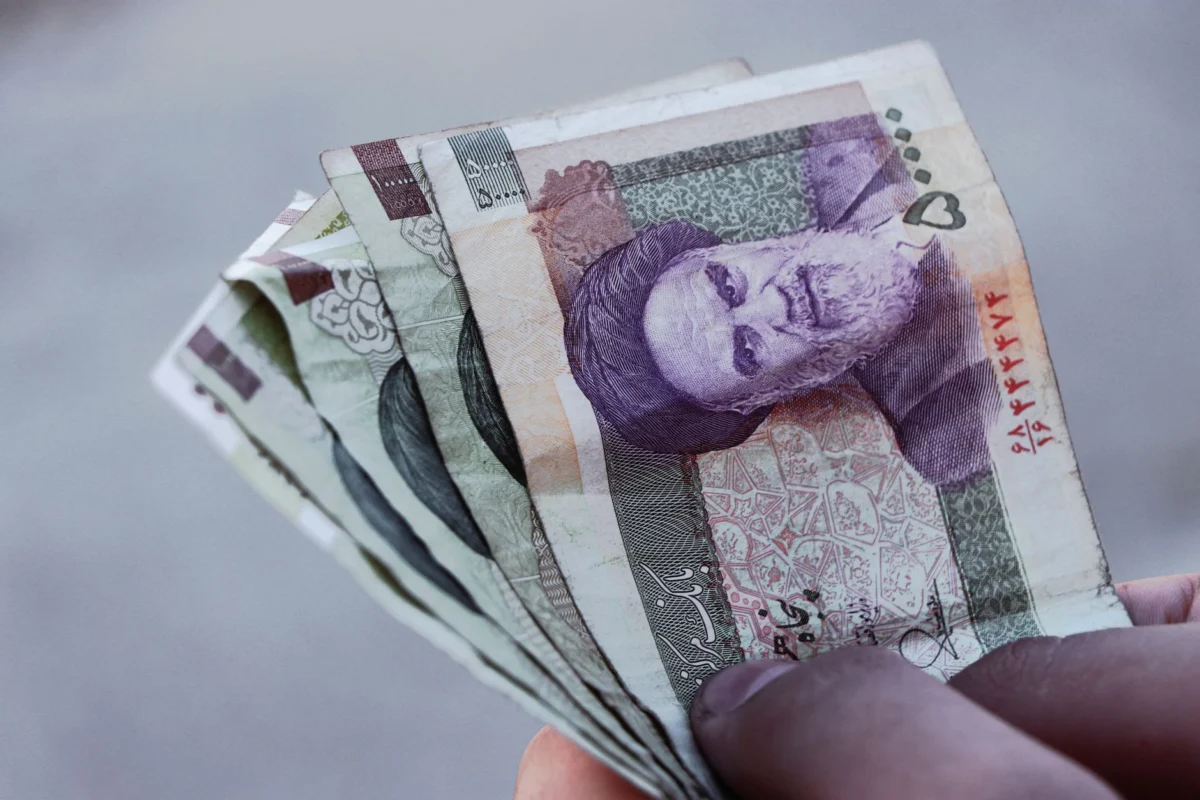
In the capital, the Ministry of Finance printed a fresh set of bills worth 2 trillion dinars to cover payroll, while power cuts flickered across Baghdad’s neighborhoods.
Why does this matter?
The rating is a shorthand that determines how much interest Iraq must pay to borrow money on the world market. A B‑minus with a negative outlook pushes the cost of borrowing up by roughly 150 basis points, according to market analysts.
For the average Iraqi, higher borrowing costs translate into pricier consumer loans, steeper mortgage rates, and a heavier fiscal burden on the state’s already strained budget.
What caused the 15% GDP drop?
Oil exports, which account for nearly 90% of government revenue, fell from 4.2 million barrels per day in 2024 to 3.1 million in the first quarter of 2025. Sanctions on certain crude grades and a regional shipping bottleneck compounded the loss.
Meanwhile, agricultural output slipped 8% after prolonged droughts, and reconstruction projects stalled because of security concerns in the disputed territories.
Who is affected?
International lenders, including the World Bank and the Asian Development Bank, will reassess loan terms. Regional investors watching the economy and markets space may pull back capital, tightening liquidity for Iraqi businesses.
Domestic firms that rely on imported raw materials could see input costs rise, squeezing profit margins and potentially leading to layoffs.
What happens next?
S&P warned that any further deterioration in oil revenues or a resurgence of political instability could trigger a downgrade to B‑plus.
Conversely, a rapid rollout of the new sovereign wealth fund reforms, announced by the Finance Ministry in February, could stabilise the outlook within six months.
Investors and citizens alike will be watching upcoming oil price movements and the government’s ability to diversify revenue streams.
Stay tuned as the story evolves; the next S&P review is slated for the fourth quarter of 2026.