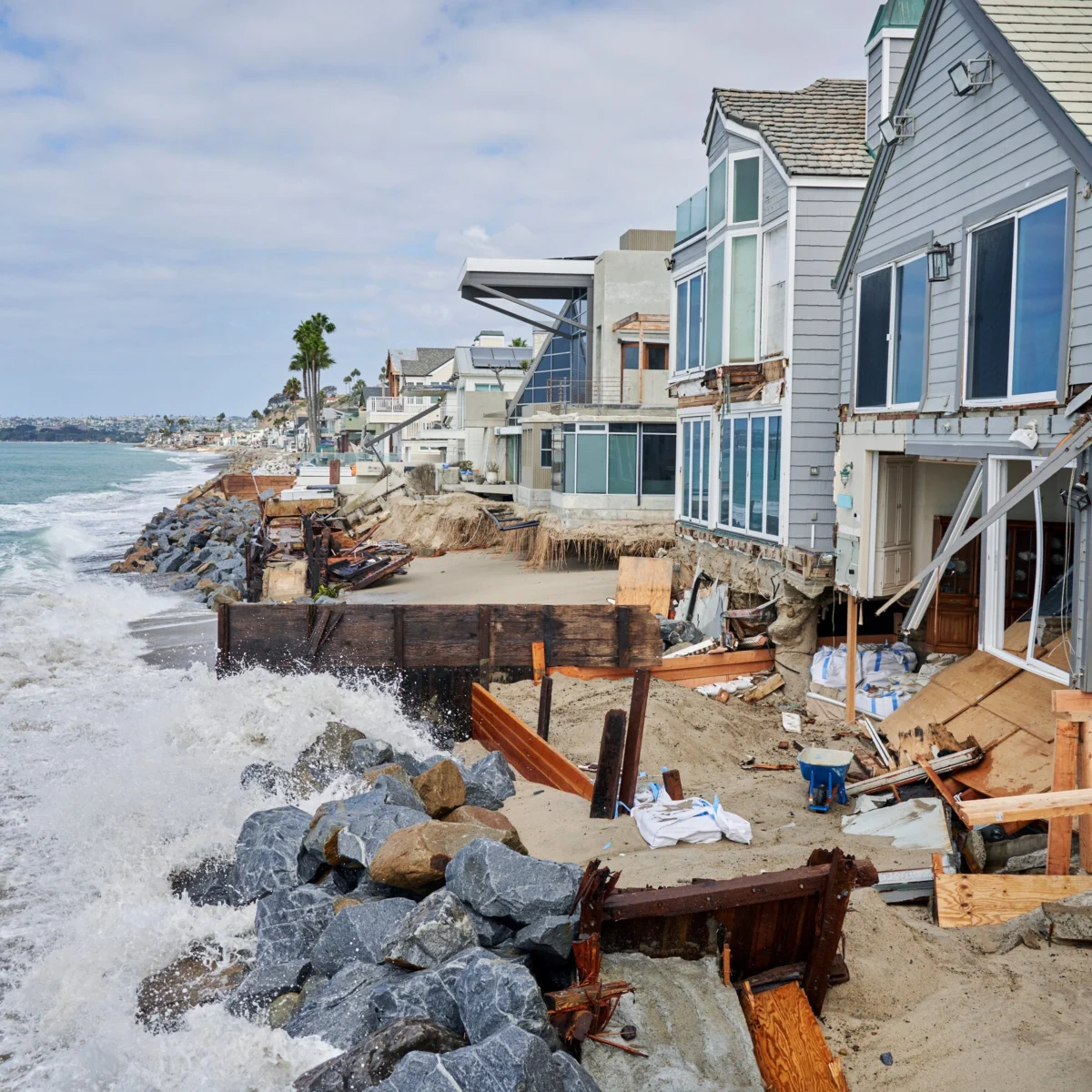
Beaches are disappearing along Southern California’s coast as powerful waves strip away sand ahead of an approaching El Niño event. Beachfront homeowners and beachcombers are witnessing the rapid loss of sand, which is being pulled into the ocean by unusually strong surf.
The erosion is tied to natural El Niño-related patterns, which typically bring warmer Pacific waters and altered storm tracks that can reshape coastlines. While some sand movement is normal, the current pace and scale are drawing attention from residents and officials who track beach health.
Key Facts
- Beachfront homeowners and beachcombers are watching the sand vanish into the ocean.
- Torrid waves are striking the coast as El Niño approaches.
- The loss of sand is concentrated along Southern California beaches.
- The event coincides with an incoming El Niño weather pattern.
- The situation is being reported as ongoing along the coastline.
What is happening to the beaches
Beach erosion is accelerating as strong wave action dislodges large volumes of sand and carries it offshore. The process is most visible at popular shoreline areas where people regularly walk and gather. Coastal observers describe scenes of shrinking dry sand and exposed shoreline that was previously covered during calmer conditions.
The incoming El Niño system is expected to amplify these conditions by altering ocean temperatures and swell patterns along the Pacific coast. These changes can increase the frequency and intensity of wave events that wear down beaches over short periods. The result is a rapid redrawing of the coastline that affects both natural habitat and nearby development.
Who is affected
Beachfront property owners are among the most direct observers of the changing shoreline. Homes positioned near the high-tide line may face increased risk from ongoing erosion, which can undermine foundations and protective structures over time. Local infrastructure such as walkways, parking areas, and access points built close to the waterline are also vulnerable to shifting sands and rising surf.
Beachcombers and recreational visitors are finding fewer places to walk along the water’s edge as dry sand disappears. This not only reduces immediate enjoyment of the coast but can also impact tourism-related businesses that depend on wide, accessible beaches. Environmental groups monitoring coastal ecosystems note that erosion can disrupt nesting sites and vegetation that stabilizes dunes, adding pressure to wildlife that relies on sandy shorelines.
How did we get here
El Niño events occur when ocean surface temperatures in the central and eastern Pacific become unusually warm, shifting atmospheric patterns and generating stronger storms than normal. Along the Southern California coast, these conditions tend to funnel larger swells into the region, increasing wave energy that reshapes beaches through prolonged surf.
Past El Niño cycles have produced similar episodes of rapid beach loss, with sand volumes fluctuating as coastal processes respond to changing wave climates. Scientists who study coastal dynamics use these patterns to forecast how beaches may evolve over the coming months, though each event varies in timing and intensity. The broader concern remains long-term exposure of coastal communities to sea level rise, which compounds erosion regardless of short-term weather patterns.
What We Know — and What We Don’t
Verified by the source:
- Beaches in Southern California are losing sand as waves strike the coast.
- Beachfront homeowners and beachcombers are witnessing the sand vanishing.
- The erosion is occurring ahead of a developing El Niño event.
Still unconfirmed:
- The specific amount or volume of sand lost along each affected beach.
- The exact timing or peak of the El Niño conditions driving the erosion.
- Any official response plans or protective measures being implemented.
Why it matters
Beach erosion affects millions of people who rely on California’s coastlines for tourism, recreation, and everyday access to the ocean. Repeated loss of sand threatens property values and public infrastructure while also degrading the natural barriers that protect inland areas from flooding during extreme weather events. Understanding how each El Niño cycle reshapes the shoreline helps communities plan for a future with rising seas and more volatile storm patterns.
What to watch
Additional reporting may clarify whether erosion continues through the peak El Niño months or begins to recede as ocean conditions stabilize. Readers can follow the climate-environment and tech-ai category pages for future updates on coastal science and monitoring tools that track long-term change along the Pacific coast.