Skip to content
LIVE
TOP STORIES How to make an easy apricot galette – recipe guide — 82% verified      TOP STORIES Top Democrats simulate election threats amid Trump voting claims — 80% verified      TOP STORIES Netanyahu Rejects US Gaza Plan, Demands Hamas Disarm — 80% verified      TOP STORIES South Africa’s Women’s Day at 70 highlights unfinished equality — 86% verified      TOP STORIES Kennedy Center Staff Report Missing Mice with Exotic Backstory — 80% verified      TOP STORIES Obama and Abdul El-Sayed Discuss Unity After Michigan Senate Primary — 80% verified      TOP STORIES Anthony Scaramucci’s Podcast Explains U.S. Politics Globally — 80% verified      TOP STORIES Israel Rejects Trump’s 15-Point Plan to Disarm Hamas — 80% verified      TOP STORIES Trump Crypto Linked to $100M From Shady Businessman — 80% verified      TOP STORIES Michigan Senate Nominee Shifts Toward Election Skepticism — 80% verified      TOP STORIES How to make an easy apricot galette – recipe guide — 82% verified      TOP STORIES Top Democrats simulate election threats amid Trump voting claims — 80% verified      TOP STORIES Netanyahu Rejects US Gaza Plan, Demands Hamas Disarm — 80% verified      TOP STORIES South Africa’s Women’s Day at 70 highlights unfinished equality — 86% verified      TOP STORIES Kennedy Center Staff Report Missing Mice with Exotic Backstory — 80% verified      TOP STORIES Obama and Abdul El-Sayed Discuss Unity After Michigan Senate Primary — 80% verified      TOP STORIES Anthony Scaramucci’s Podcast Explains U.S. Politics Globally — 80% verified      TOP STORIES Israel Rejects Trump’s 15-Point Plan to Disarm Hamas — 80% verified      TOP STORIES Trump Crypto Linked to $100M From Shady Businessman — 80% verified      TOP STORIES Michigan Senate Nominee Shifts Toward Election Skepticism — 80% verified     
Sunday, August 9, 2026
Updated 10 minutes ago
AI-Verified Global News Intelligence
AI MONITORING ACTIVE
3,341 articles published
Top Stories 86% VERIFIED

South Africa’s Women’s Day at 70 highlights unfinished equality

The 70th anniversary of South Africa’s Women’s Day marks progress but underscores persistent gender inequality.
Top Stories · August 9, 2026 · 1 hour ago · 2 min read · AI Summary · Al Jazeera – Breaking News, World News and Video from Al Jazeera
86 / 100
AI Credibility Assessment
High Credibility
AI VERIFIED 0/3 claims verified 1 sources cited
Source Corroboration 30%
Source Tier Quality 70%
Claim Verification 40%
Source Recency 90%

Single-source rewrite; limited independent verification

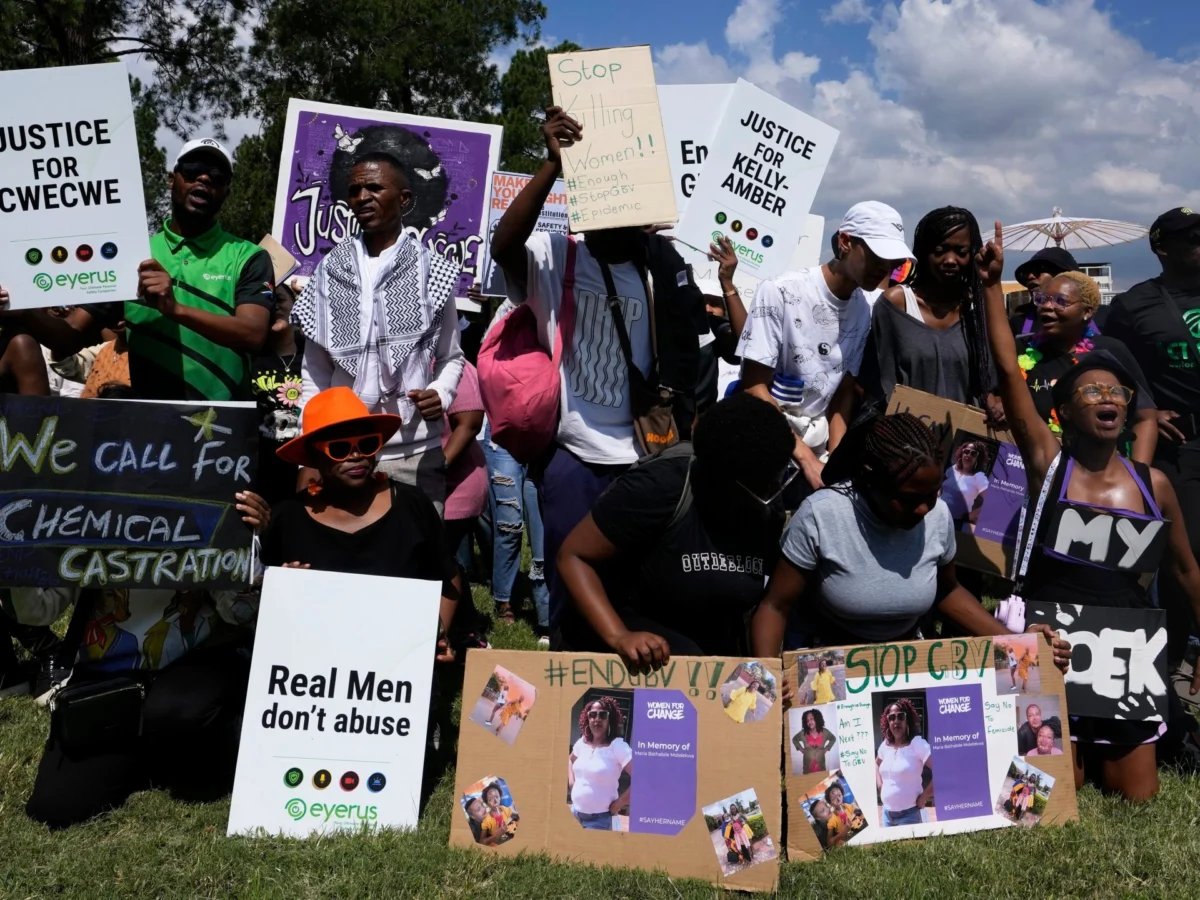
South Africa’s Women’s Day, commemorating the 1956 women’s march, has reached its 70th anniversary with gender equality still unachieved for millions. The historic protest was a turning point for women’s rights and political participation, yet many South African women continue to face barriers to full equality.

The march remains a symbol of resistance, but its legacy is tempered by ongoing disparities in economic opportunity, political representation, and social justice. While the event catalyzed change, its promises remain incomplete.

KEY FACTS

  • South Africa’s Women’s Day marks 70 years since the 1956 women’s march.
  • The march transformed women’s rights and political power in the country.
  • Millions of women still cannot fully enjoy those gains today.

How Did the 1956 March Change South Africa?

The 1956 march, led by 20,000 women protesting apartheid-era pass laws, became a defining moment in South Africa’s struggle for equality. It demonstrated women’s collective power and laid groundwork for future rights advancements. The protest pressured the government and amplified women’s voices in national politics.

Decades later, the march’s symbolism endures, but systemic challenges persist. Women’s Day celebrates progress while highlighting how far the nation must still go.

Who Is Still Left Behind?

Despite legal protections, many South African women—particularly in rural and low-income communities—face economic exclusion, gender-based violence, and limited political influence. The march’s gains have not reached all equally.

Intersectional factors like race, class, and location deepen disparities. While some women have broken barriers, others remain marginalized.

WHAT WE KNOW — AND WHAT WE DON’T

Verified by the source:

  • The 1956 march was pivotal for women’s rights in South Africa.
  • Women’s Day marks its 70th anniversary.
  • Gender equality remains unfulfilled for many.

Still unconfirmed:

  • Current statistics on gender gaps in employment, politics, or safety.
  • Government or organizational responses to ongoing inequality.
  • Whether new policies are planned to address disparities.

WHY IT MATTERS

Women’s Day is both a celebration and a reminder of unfinished work. Gender equality is essential for South Africa’s development, affecting economic growth, social stability, and democratic representation. Persistent inequality undermines the march’s historic achievements.

WHAT TO WATCH

Observances and discussions around Women’s Day may highlight current advocacy efforts. Further reporting could clarify how policymakers plan to address enduring gaps.

Community Verdict — Do you trust this story?
Be the first to vote on this story.