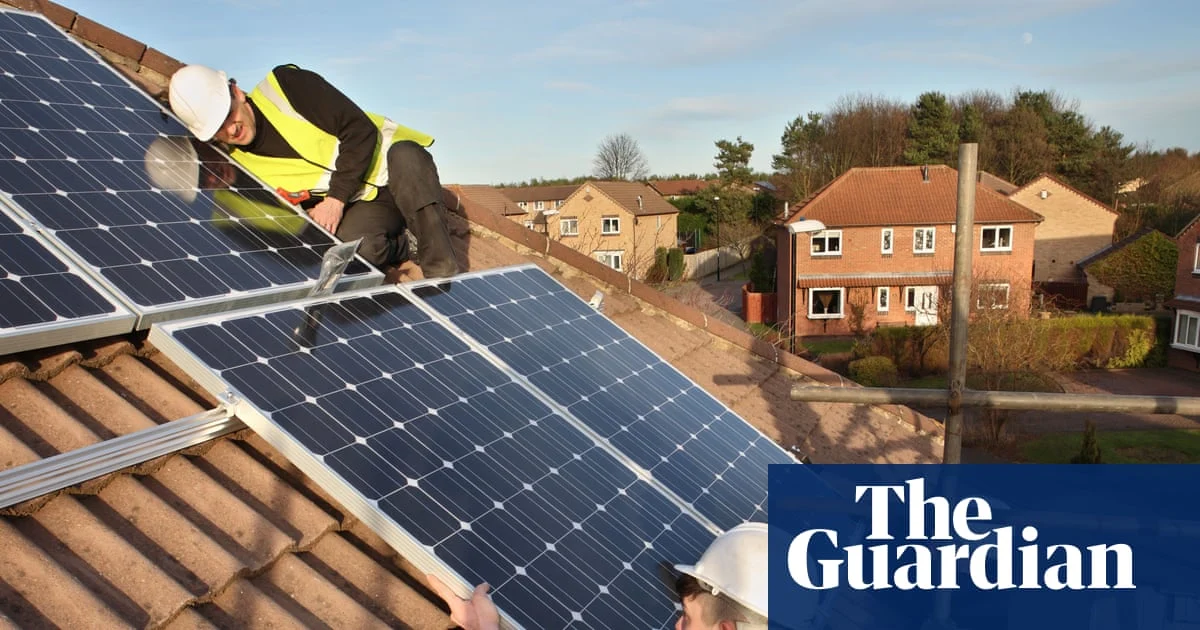
Households in Great Britain’s cloudiest areas could save at least £400 annually by installing rooftop solar panels, research shows. Rising energy prices and falling installation costs have made solar panels increasingly cost-effective, driving higher demand across the country.
Recent analysis reveals that despite less sunny conditions, the financial benefits of solar panels remain significant. The combination of lower installation expenses and higher wholesale energy prices has improved the economic case for residential solar energy systems.
KEY FACTS
- Households in Great Britain’s cloudiest regions could save over £400 per year with rooftop solar panels.
- Potential savings have increased due to rising wholesale energy prices.
- The cost of solar panel installation has continued to decline.
- Demand for residential solar systems is growing in Great Britain.
How do solar panels work in cloudy weather?
While solar panels perform best in direct sunlight, modern technology allows them to generate electricity even on overcast days. The research indicates that savings remain substantial even in Britain’s least sunny regions, challenging the assumption that solar power is only viable in consistently sunny climates.
What’s driving solar panel demand?
The improved economics of residential solar come from two converging trends: energy prices have risen significantly according to wholesale markets, while the costs of purchasing and installing solar panels have decreased. This combination makes the payback period for solar investments shorter than in previous years.
WHAT WE KNOW — AND WHAT WE DON’T
Verified by the source:
- Annual savings of ≥£400 possible in cloudiest UK regions
- Solar panel installation costs have fallen
- Energy price increases boost potential savings
Still unconfirmed:
- Exact savings amounts for specific locations
- Current installation cost averages
- Projected future price trends for energy or solar equipment
WHY IT MATTERS
As energy costs remain volatile and climate concerns grow, residential solar power offers households a way to reduce both expenses and environmental impact. The findings suggest that solar technology may be more broadly applicable across different climates than commonly believed.
WHAT TO WATCH
Future energy price movements and technological advancements in solar panel efficiency will continue to influence the economic case for residential solar systems. Government policies on renewable energy incentives could also affect adoption rates.