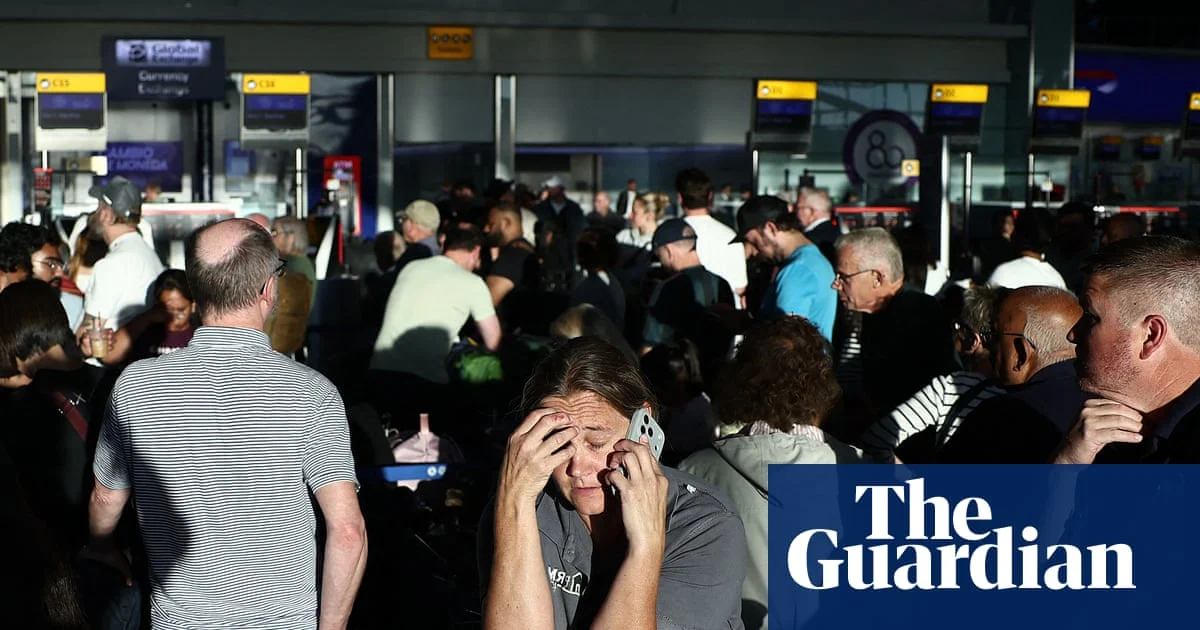
A software error in the UK’s air traffic control system corrupted flight data in the space of a millisecond, triggering a six-hour outage that disrupted hundreds of thousands of passengers last week, according to National Air Traffic Services.
The malfunction forced airlines to cancel numerous flights and delay many others, grounding operations across much of the UK’s airspace for several hours. Officials say the defect first appeared around 10am, but the major incident was not formally declared until 12.30pm, highlighting concerns about detection and response timing.
KEY FACTS
- A software error corrupted flight data in the space of a millisecond.
- The outage lasted six hours, affecting hundreds of thousands of passengers.
- The error was first detected at 10am; a major incident was declared at 12.30pm.
- National Air Traffic Services provided the report explaining the cause.
- Ministers said questions remain about why the issue was not discovered earlier.
How did this happen?
National Air Traffic Services (NATS) confirmed that a software defect within its systems disrupted flight data processing almost instantly. The defect caused data corruption so rapidly — within a single millisecond — that normal fail-safe protocols could not respond in time. This led to an automatic shutdown of key systems, leaving air traffic controllers unable to manage flights safely for several hours.
The delay between the initial error at 10am and the official declaration at 12.30pm raised concerns among government officials. Ministers expressed frustration that the problem was not identified or resolved before it triggered such widespread disruption. They called for urgent clarification on how the flaw escaped detection during routine maintenance and monitoring procedures.
What happens next?
Government ministers have demanded a full explanation from NATS regarding the timeline of events and the technical reasons behind the failure. Investigators are reportedly reviewing logs and system alerts to determine whether the defect could have been flagged earlier through existing safeguards. A separate review may also assess future risks posed by aging infrastructure and reliance on complex automated systems.
Meanwhile, airlines continue assessing compensation claims and rescheduling efforts for stranded passengers. Authorities are under pressure to prevent similar incidents, especially as air travel rebounds post-pandemic. Regulators may introduce stricter oversight rules if systemic vulnerabilities are uncovered.
What We Know — and What We Don’t
Verified by the source:
- The software error originated within the UK’s air traffic control system.
- Flight data was corrupted in a millisecond, leading to a six-hour outage.
- Initial detection occurred at 10am; major incident declared at 12.30pm.
- NATS issued the formal report detailing the cause of disruption.
- Ministers criticized the lack of prior awareness and requested further answers.
Still unconfirmed:
- The exact software component responsible for the failure.
- Whether external hacking played any role in triggering the defect.
- Total number of flights cancelled or delayed nationwide.
- Estimated financial losses incurred by airlines and airports.
- List of specific airlines most affected by the outage.
Why It Matters
Disruptions to national air traffic control systems affect not only travelers but also the broader economy, including tourism, business logistics, and employment. With increasing dependence on digital infrastructure, even brief technological failures can cascade into major operational crises requiring swift accountability and transparent investigation.
A single software error paralyzed UK airspace for six hours, affecting hundreds of thousands and raising urgent questions about system resilience.
What To Watch
Officials expect a detailed technical review from NATS in the coming days. Any findings pointing to preventable oversights could prompt regulatory reform or upgrades to critical aviation technology platforms.
Explore more updates in our economy and markets coverage or follow developments in technology and AI news.