Lede
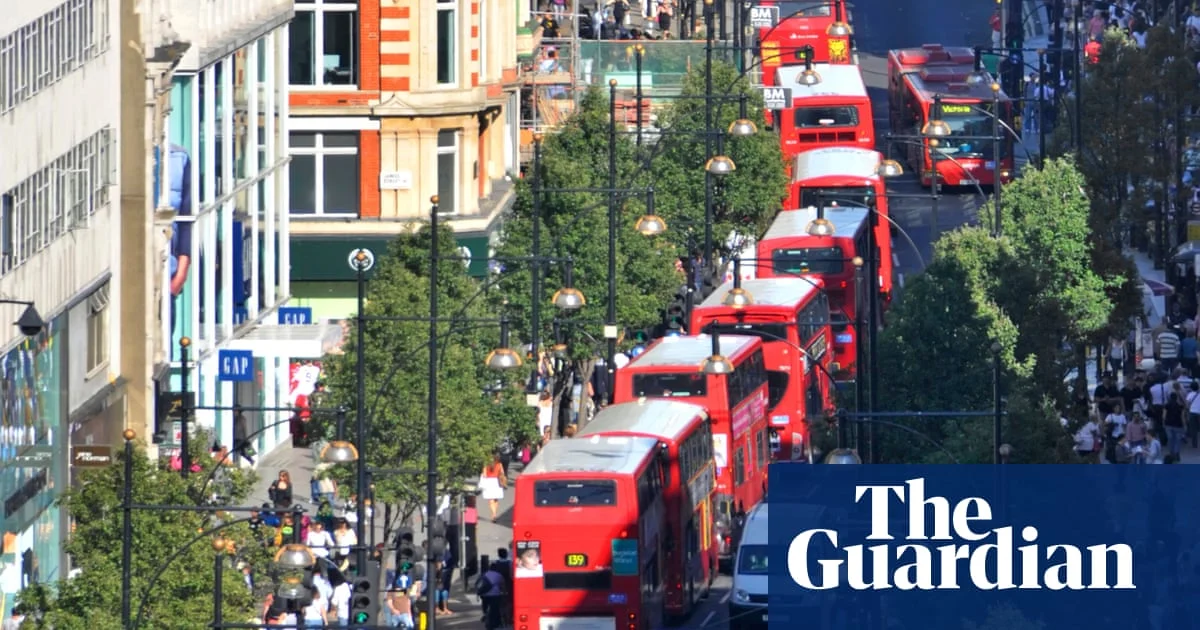
Amid growing concerns over slowing buses in global cities, public transport policy faces mounting scrutiny as traffic congestion undermines efficiency. The Guardian reports that Transport for London acknowledges the issue but suggests limited fixes. The phrase to notice is that signals will give more buses priority where possible, highlighting the challenge of meaningful reform.
Letters from readers point to potential remedies, including tram networks and better use of road space, while underlining how slowing buses reflect broader systemic problems. Public transport remains essential for cities, yet slowing buses threaten its viability.
Key Facts
- Slowing buses: A 10% fall in speed costs 6% of demand (Imperial College London).
- Public transport policy: Poor decisions put the brake on cities, according to Business | The Guardian.
- London: Transport for London says signals will give more buses priority “where possible.”
- Cities affected: Imperial College London found the same decline across 15 cities.
- Alternatives: One reader suggests a tram network; another criticizes unused cycle lanes.
Who Is Affected by Slowing Buses?
Commuters relying on Bus services face longer journeys and reduced reliability as congestion increases. Public transport users in London and other cities are directly impacted by slowing buses, which diminish service quality. A 10% speed drop leads to a 6% loss in demand, making routes less attractive and straining budgets. Passengers experience delays, overcrowding, and unpredictable schedules, prompting some to switch to private vehicles. This shift worsens traffic, creating a feedback loop where slower buses lead to greater congestion. City planners must balance infrastructure investment with demand reduction. Without intervention, reliance on cars grows. Slowing buses affect daily routines and access to employment, healthcare, and education. Policymakers face pressure to improve service quality amid rising expectations.
How Did We Get Here with Public Transport Policy?
Poor Public Transport Policy decisions have contributed to declining performance across global cities. Retrofitting existing road networks for faster bus movement proves challenging. Simple fixes like Retiming traffic lights show promise but fall short of reversing systemic trends. Transport for London attempts signal prioritization but limits implementation to feasible areas. Letters highlight alternative strategies such as tram networks, yet funding constraints delay progress. Readers criticize underused Cycle Lanes occupying valuable road space without delivering results. Historical emphasis on car-centric planning complicates integration of efficient mass transit. Urban density patterns increase strain on aging infrastructure serving commuters with fewer resources. Governments struggle to retrofit outdated systems. Slowing buses reflect deeper inefficiencies in governance and planning.
What Happens Next for Public Transport Investment?
Governments may explore new models, borrowing, or partnerships to fund upgrades addressing slowing buses. Cities experimenting with dedicated lanes report modest improvements in reliability. However, scaling solutions requires political consensus often lacking. Meanwhile, commuters continue coping with longer waits, raising concerns about equity and accessibility. Advocates push reforms targeting root causes rather than symptoms. Experts suggest rethinking urban mobility prioritizes people over vehicles through strategic investments.
Verified by the Source:
- A 10% fall in bus speed costs 6% of demand (Imperial College London).
- The decline spans 15 cities studied internationally.
- Transport for London states signals will prioritize buses “where possible”.
- Letters propose trams and criticize unused cycle lanes.
Still Unconfirmed:
- Specific financial figures related to proposed policies remain undisclosed.
- No timeline provided for implementation of signal priority measures.
- Exact identities of letter writers are not named individually.
Why It Matters
Slowing buses signal deeper challenges facing urban mobility worldwide. Efficient transit reduces emissions, eases congestion, and supports economic growth. Cities investing wisely gain competitive advantages attracting businesses and talent. Conversely, failing systems risk widening inequality limiting access opportunities for low-income residents. Addressing slowing buses demands bold action prioritizing sustainable long-term outcomes over short-term fixes.
What To Watch
Future policy announcements might clarify funding pathways tackling slowing buses at scale.