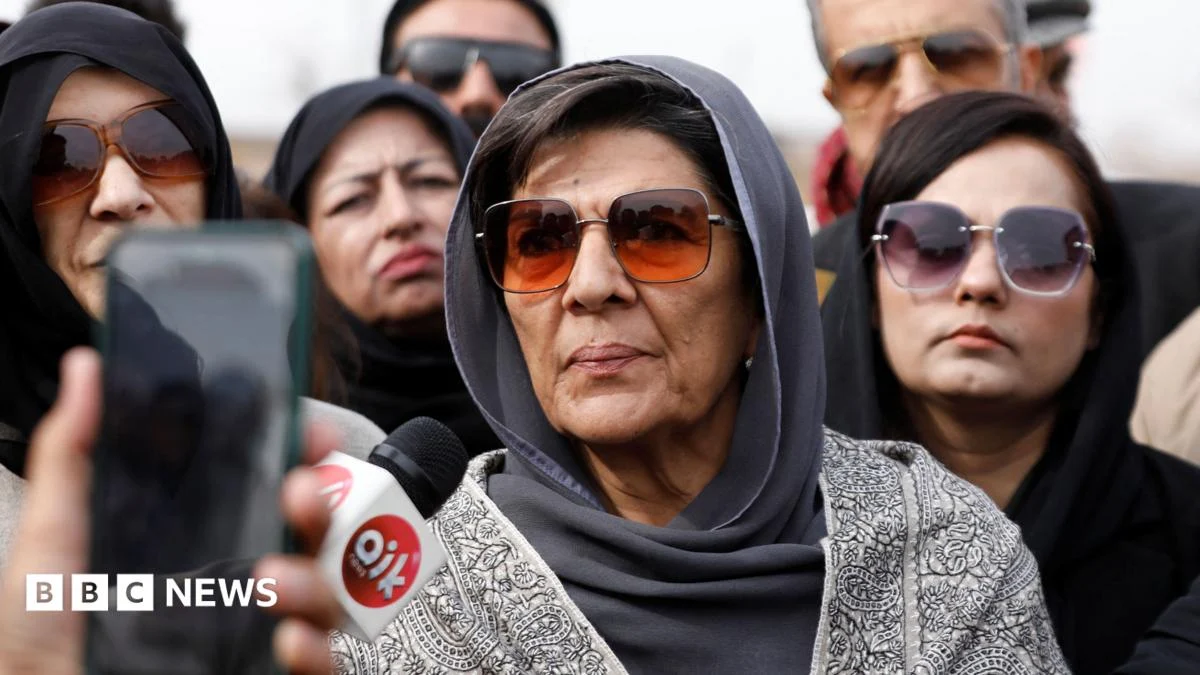
Aleema Khanum, the sister of Pakistan’s former prime minister Imran Khan, has been arrested over accusations that she helped mobilise her brother’s supporters ahead of country-wide protests.
The arrest adds a fresh layer of tension to a volatile period in Pakistani politics, where Khan’s legal troubles and street-level mobilisation have repeatedly drawn crowds and prompted government action. According to BBC News, Khanum’s detention centres on allegations of organising support rather than violence, though the broader context of political unrest in Pakistan remains unsettled.
Key Facts
- Aleema Khanum arrested, sister of ex-PM Imran Khan
- Accused of mobilising Imran Khan’s supporters ahead of country-wide protests
- Arrest confirmed by BBC News
What the Arrest Reveals
The detention of Khanum appears tied to a pattern of legal and administrative measures targeting figures close to Imran Khan, who has faced multiple charges since leaving office. BBC News reports that Khanum was accused of organising support for demonstrations, suggesting authorities are focusing on indirect influence rather than direct violence. This approach mirrors earlier tactics used during protests linked to Khan’s arrests, where family members and close aides have also drawn scrutiny. The allegations do not detail specific protest dates, locations, or levels of involvement, leaving much of the planning and coordination unclear. Legal experts note that accusations of mobilising supporters can carry penalties under Pakistani public order laws, though prosecution typically requires evidence of intent and coordination. Khanum’s case highlights how political fallout often extends beyond leaders to relatives and inner circles, raising questions about proportionality and due process. Observers say such arrests are likely to inflame sentiment among Khan’s base, potentially deepening divisions rather than calming unrest. The government has not publicly commented on Khanum’s specific case, but similar detentions have been framed as necessary to preserve law and order.
Who Is Affected
Khan’s immediate family now finds itself entangled in legal proceedings that parallel his own court cases. Extended members of his household and political team have faced repeated questioning, travel bans, and detentions over the past year. Supporters who rallied behind Khan during his oustter in 2022 remain active, though their ability to organise openly has been restricted. Civil society groups express concern that targeting relatives may chill dissent, particularly when protest movements are involved. The case also affects Khan’s legal defence team, who must navigate overlapping investigations while representing a figure many of their clients view as politically persecuted. International observers watching Pakistan’s democratic trajectory note that such arrests risk eroding public trust in impartial law enforcement. Opposition parties, both aligned with Khan and otherwise, have signalled unease at the broadening scope of detention powers.
Why It Matters
This arrest underscores how Pakistan’s political instability is increasingly personalising legal action, reaching into family networks of high-profile leaders. As protests continue, such measures will likely shape public perception of fairness and state authority.
What To Watch
Legal proceedings against Khanum are expected to unfold in coming weeks, potentially setting precedents for how support structures around political figures are treated under Pakistani law. BBC News remains the primary source for updates on charges and court decisions.
What We Know — and What We Don’t
Verified by the source:
- Aleema Khanum was arrested
- She is the sister of ex-PM Imran Khan
- She was accused of mobilising she’s supporters ahead of country-wide protests
- BBC News reported the arrest
Still unconfirmed:
- Exact date and location of arrest
- Specific charges filed
- Titles or agencies involved in detention
- Evidence supporting mobilisation claims
- Potential court dates or bail status