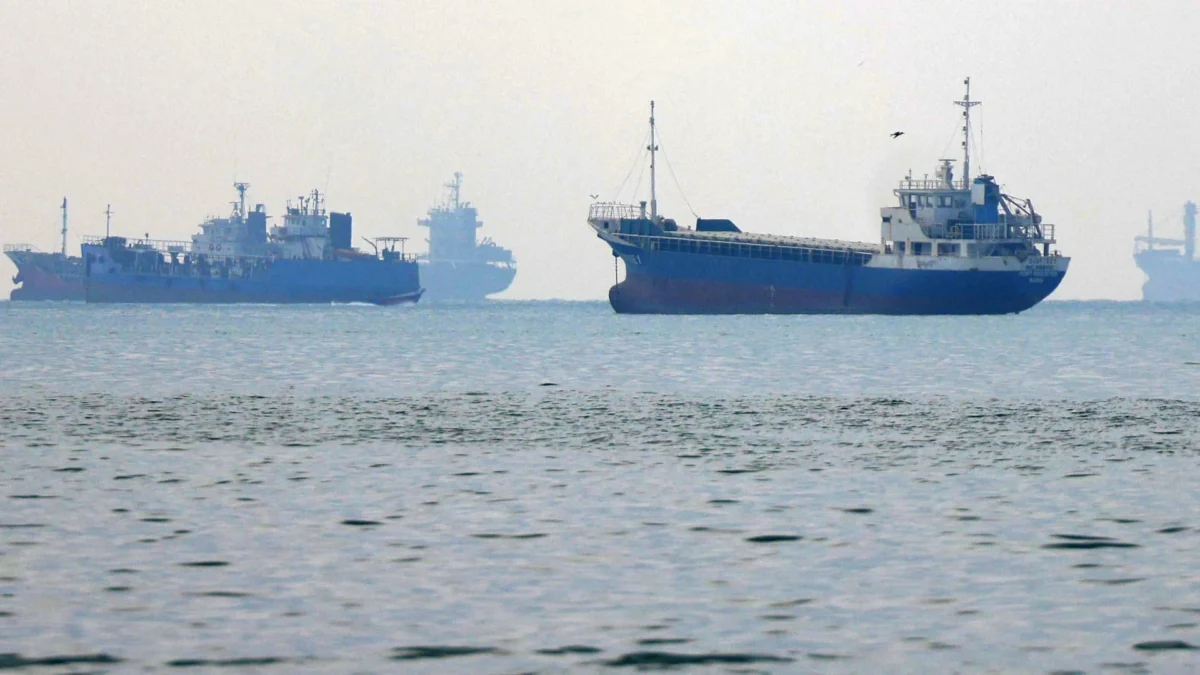
Singapore-flagged ships will keep transiting the Strait of Hormuz even after two container vessels suffered attacks in the critical waterway. Maritime analysts say Singapore-flagged merchant ships are expected to maintain scheduled passages through the Strait of Hormuz despite recent attacks on two container ships operating in the corridor.
Maritime experts say these vessels are set to continue navigating the area, underscoring the strategic importance of the route. The Strait of Hormuz remains a vital maritime chokepoint for global energy supplies, connecting the Persian Gulf to the Arabian Sea.
KEY FACTS
- Singapore ships are set to continue transiting the Strait of Hormuz.
- Attacks occurred on two container ships in the area.
- Maritime experts commented on the ongoing risk.
Why it matters
The Strait of Hormuz is a critical route for global oil trade, linking the Persian Gulf to the Arabian Sea and beyond. Any disruption here affects energy markets worldwide, including supply chains tied to the economy-markets.
What happens next?
Singapore-linked vessels are still expected to pass through the Strait of Hormuz, according to maritime experts. This decision reflects both operational dependency and regional diplomatic sensitivity.
Background on the route
The Strait of Hormuz sees roughly one-fifth of global petroleum liquids transit daily, making it a high-stakes route for energy-dependent economies. Commercial operators often proceed even under elevated threat levels unless formal advisories are issued.
What We Know — and What We Don’t
Verified by the source:
- Two container ships were attacked in the Strait of Hormuz.
- Singapore-flagged vessels are expected to keep transiting.
- Maritime experts provided the commentary cited.
Still unconfirmed:
- Exact timing of the attacks.
- Identity of the vessels involved.
- Nature and attribution of the attacks.
- Official statements from Singapore authorities.
- Response plans from regional naval forces.
Why It Matters
The Strait of Hormuz handles roughly one-fifth of global petroleum liquids, so any disruption reverberates through energy markets and trade-dependent economies.
What To Watch
Shipping advisories from regional authorities may clarify whether future transits will be rerouted or escorted.