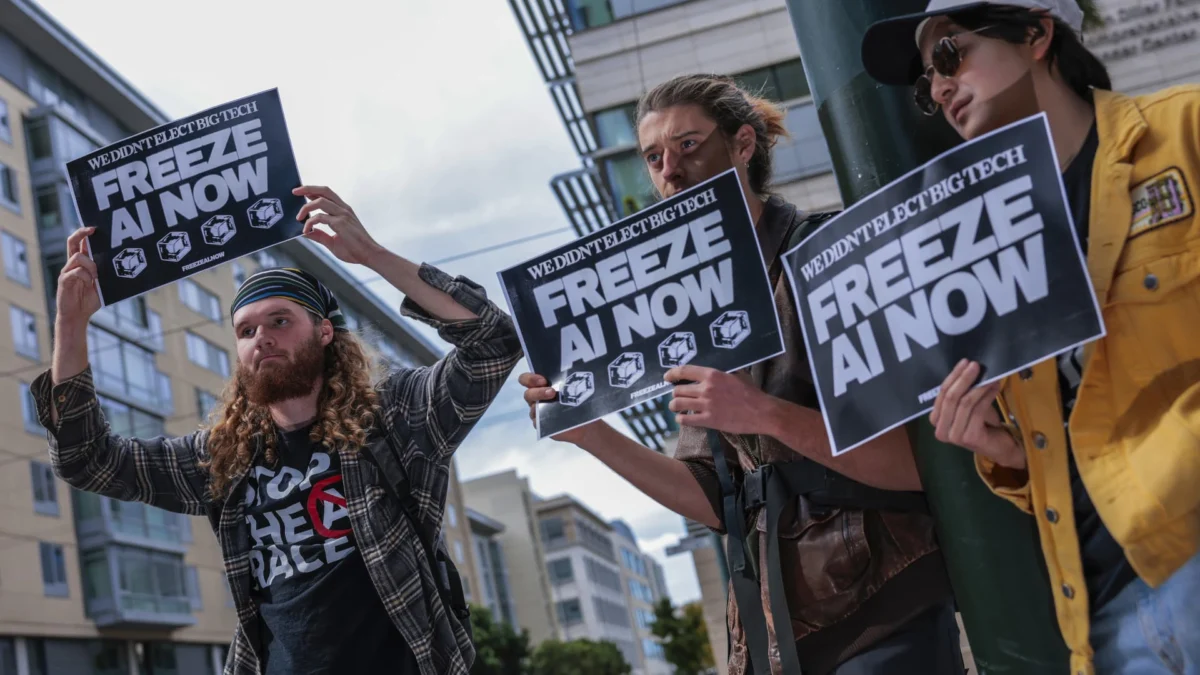
AI political groups backed by Silicon Valley interests are locked in escalating conflict during the 2026 election cycle, directing millions toward influencing policy direction. These groups are dividing along ideological lines, with internal battles intensifying around core issues like artificial intelligence regulation, safety safeguards, and the balance of power between federal and state governments. The spending reflects growing urgency in shaping future AI governance frameworks.
Unlike traditional lobbying efforts focused solely on legislative outcomes, these emerging organizations are investing directly into electoral contests, signaling a shift toward more aggressive advocacy strategies. This trend underscores how high-stakes the ongoing debates have become—not just for tech companies themselves but also for policymakers navigating unprecedented technological change.
KEY FACTS
- 2026 election serves as arena for factional AI political spending.
- Silicon Valley factions compete over regulation and safeguards.
- Military millions are being spent by AI political groups.
- Disputes include questions of state versus federal authority.
The Story
Why This Matters
The involvement of Silicon Valley-backed entities in the 2026 election marks an evolution in how the tech industry seeks to influence public policy. Rather than relying exclusively on behind-the-scenes lobbying or legal challenges, these organizations are entering the political fray through financial contributions aimed at swaying voter sentiment and candidate platforms. Their emphasis on topics such as regulation and safeguards suggests they recognize the importance of defining operational boundaries early, potentially preempting stricter oversight later.
What Happens Next?
As the 2026 election approaches, observers anticipate continued escalation in both rhetoric and resources among competing AI-aligned political movements. With substantial funding already deployed, attention will likely center on whether new coalitions emerge or existing ones fracture further due to differing priorities regarding regulatory frameworks. Additionally, scrutiny may increase around transparency requirements governing such large-scale expenditures, especially if ties to major corporations or individuals surface during campaign disclosures.
Who Is Affected?
Policymakers at multiple levels find themselves caught within a rapidly evolving landscape shaped by substantial financial backing from influential tech-aligned groups. Candidates running in the 2026 election face pressure not only from opposing campaigns but also from well-funded outside forces advocating specific stances on artificial intelligence governance. Meanwhile, citizens and advocacy groups concerned with accountability in government operations watch closely as these powerful interests attempt to mold electoral outcomes indirectly through strategic giving patterns.
What We Know — and What We Don’t
Verified by the source:
- AI political groups are allocating significant funds during the 2026 election cycle.
- Funding sources include factions rooted in Silicon Valley.
- Primary areas of contention involve regulation, safety measures, and jurisdictional control.
- Expenditures reflect broader disagreements concerning state versus national authority.
Still unconfirmed:
- Exact dollar amounts contributed by individual organizations or donors.
- Specific identities of leading figures or institutions involved.
- Precise mechanisms used for channeling financial support.
- Long-term impact of these expenditures on legislative processes.
Massive inflows of capital linked to artificial intelligence interests coincide with mounting political tensions surrounding regulatory oversight and intergovernmental jurisdiction in the run-up to the 2026 election.
Why It Matters
This development highlights increasing recognition amongst industry players that proactive engagement in electoral politics could prove crucial in establishing favorable conditions for continued expansion of AI technologies. At stake is nothing less than the framework governing one of the most transformative innovations of our time—an outcome with profound implications extending far beyond Silicon Valley itself.
What To Watch
Stakeholders should monitor disclosure reports detailing actual expenditures made by relevant parties ahead of voting day in 2026, alongside any formal responses issued by candidates addressing concerns raised by various advocacy segments operating under the umbrella of AI-focused initiatives.
Explore more on Economy & Markets | Dive deeper into Tech & AI coverage