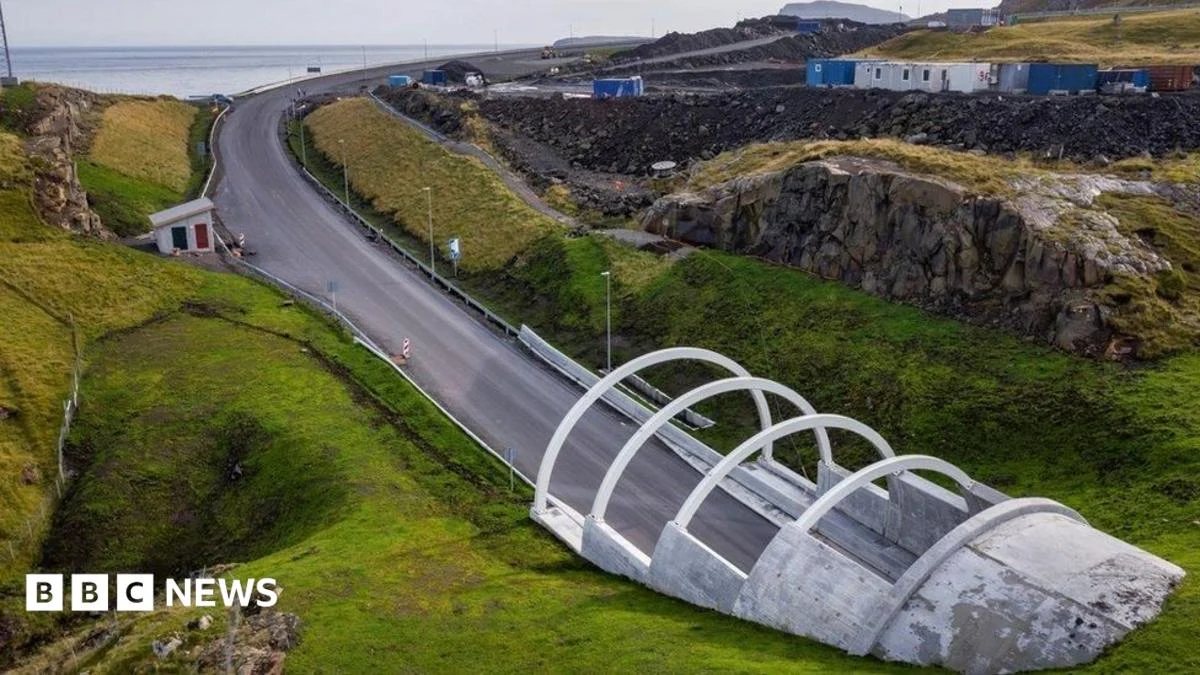
Shetland council has backed a £1.5 billion proposal to create undersea tunnels linking some of the United Kingdom’s most northerly islands. The plan aims to have the tunnels operational within eight years.
What is the proposed project?
The undersea tunnels project is intended to provide permanent road connections between selected islands in the Shetland archipelago. By replacing existing ferry services with fixed links, the scheme seeks to improve transport reliability and support local economies.
Why does this matter?
Enhanced connectivity can reduce travel times, lower costs for residents and businesses, and stimulate economic activity in a region that relies heavily on maritime transport. Better links may also attract investment and tourism, contributing to broader regional development goals.
What happens next?
The council’s backing signals the next phase of planning, which will involve detailed design work, environmental assessments, and the pursuit of funding. If the timeline holds, construction could begin within the next few years, with the tunnels becoming operational before the end of the decade.
Stakeholders will monitor progress closely, as the scale of the undersea tunnels proposal represents a significant infrastructure undertaking for the islands. The outcome will shape the future of transport and economic prospects across Shetland.
For further context on how large infrastructure projects influence regional markets, see the economy and markets coverage.