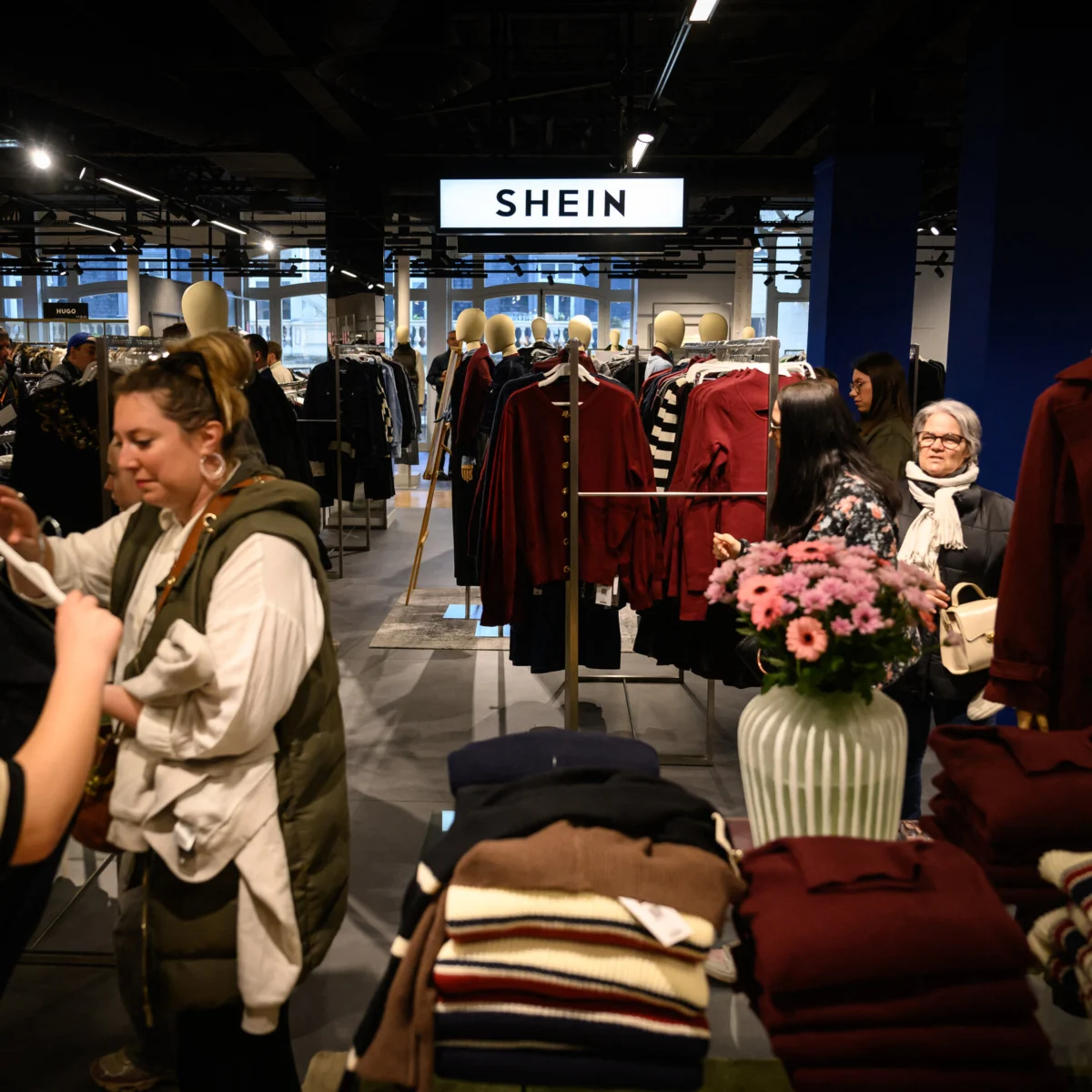
Shein’s recent share decline in Hong Kong signals a shift in investor sentiment, suggesting that its fast-fashion model is facing significant challenges. This development indicates that investors may perceive the company’s traditional approach as increasingly outdated in the current economic and regulatory landscape. The decline is reportedly influenced by several factors that are collectively impacting the company’s market position.
The company’s performance in Hong Kong is highlighted as a potential indicator that investors have altered their outlook on the value and viability of Shein’s business strategy. This shift in perception comes amid a backdrop of various pressures confronting the fast-fashion industry.
Key Facts
- Shein’s shares declined in Hong Kong on Tuesday.
- The decline suggests a fast-fashion model may be left behind.
- New trade rules are squeezing Shein.
- Shrinking market share is affecting the company.
- Labor concerns are impacting Shein.
- Investors have reportedly moved on from Shein.
The Challenges Facing Shein’s Model
Shein’s share decline in Hong Kong on Tuesday is attributed to a combination of factors that collectively challenge its fast-fashion business model. Among these are new trade rules, which are described as ‘squeezing’ the company. These regulations could be increasing operational costs or creating new hurdles for its global supply chain, potentially impacting profitability and market access. Such external pressures can significantly alter a company’s competitive landscape and investor appeal.
Alongside trade rules, Shein is also reportedly experiencing a shrinking market share. This suggests that competitors or changing consumer preferences may be eroding its previous dominance or growth trajectory. A decrease in market share can signal a loss of competitive edge or a saturation in the fast-fashion segment, making it harder for the company to sustain its rapid expansion. Investors typically view shrinking market share as a negative indicator for future revenue and growth prospects.
How Do Labor Concerns Impact Investor Confidence?
Labor concerns are another significant factor contributing to Shein’s perceived ‘lackluster debut’ and investor disinterest in Shein Hong Kong. While the source does not elaborate on the specific nature of these concerns, issues such as working conditions, wages, or ethical sourcing practices can significantly damage a brand’s reputation and financial stability. In today’s market, investors increasingly consider environmental, social, and governance (ESG) factors when making investment decisions.
Negative publicity or ongoing scrutiny related to labor practices can deter potential investors and lead existing ones to divest. This indicates a growing awareness among the investment community about the broader implications of a company’s operational ethics. For a fast-fashion giant like Shein, which relies on rapid production cycles, such concerns can be particularly impactful, potentially leading to increased regulatory oversight or consumer backlash that affects its bottom line.
What We Know — and What We Don’t
Verified by the source:
- Shein’s shares saw a decline in Hong Kong on Tuesday.
- The company is facing pressure from new trade rules, shrinking market share, and labor concerns.
- Investors are perceived to have moved on from Shein’s fast-fashion model.
Still unconfirmed:
- The specific details or nature of the new trade rules affecting Shein.
- The exact percentage or extent of Shein’s share decline in Hong Kong.
- The precise reasons behind the shrinking market share.
- The specific labor concerns impacting the company or investor sentiment.
- The identity or specific actions of investors who have ‘moved on’.
Why It Matters
Shein’s struggles in Hong Kong are significant because they may reflect a broader shift in how investors and the market view the sustainability and long-term viability of the fast-fashion business model. As consumers and regulators increasingly prioritize ethical production and environmental impact, companies that do not adapt to these changing expectations could face significant financial repercussions, impacting global supply chains and retail trends.
What To Watch
Future reports detailing the specific impacts of trade regulations or labor initiatives on fast-fashion companies could confirm the ongoing challenges for businesses like Shein.