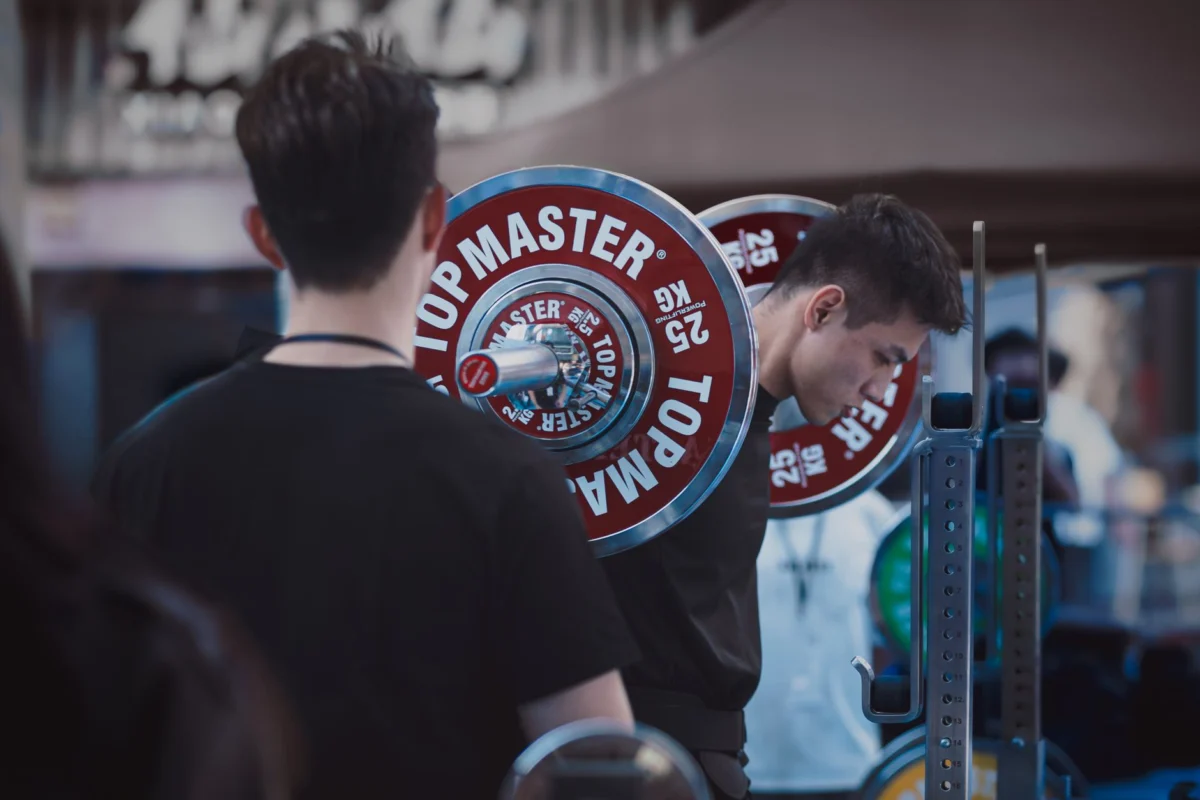
When the opening barbell clangs at Sheffield’s new Sports Village on October 12, the sound will echo far beyond the gym floor – it will reverberate through the city’s cash registers.
The World Classic Powerlifting Championships, scheduled for October 12‑15, are expected to draw more than 1,200 athletes from 35 nations, plus an estimated 8,000 spectators, officials and media crews.
According to The Star, the event could generate up to £10 million in direct spending for hotels, restaurants, and transport, a boost comparable to the city’s annual fiscal surplus.
Why does this matter?
Sheffield’s economy has been sluggish since the pandemic, with GDP lagging the national average by 0.4 percentage points. The influx of visitors offers a rare, short‑term stimulus that could prevent further business closures and spark new hires in hospitality and retail.
Local councilors plan to use part of the projected revenue to fund a youth sports initiative, hoping the spectacle will inspire the next generation of British lifters.
Who benefits most?
Small‑scale hotels on the outskirts of the city anticipate occupancy rates jumping from 55 % to over 90 % during the four‑day window. Independent cafés near the venue expect sales to double, with some reporting pre‑orders for the weekend already.
Even the city’s transport network stands to gain. Sheffield Supertram has added extra services on the event days, forecasting a 30 % rise in ridership.
What’s the bigger picture?
Beyond the immediate cash flow, the Sheffield powerlifting event puts the city on a global sporting map. Hosting a world‑class competition signals to other federations that Sheffield can deliver world‑standard facilities, potentially attracting future tournaments in cycling, gymnastics, or para‑sports.
Economists warn, however, that a single event cannot resolve structural challenges such as low productivity and skill gaps. The boost is a spark, not a solution.
What happens next?
Organisers will convene a post‑event review on November 5, measuring actual spend against projections. The council aims to publish the findings in early 2027, using the data to justify a £5 million investment in a permanent high‑performance training centre.
For residents, the immediate takeaway is simple: book a room, grab a pint, and watch a 500‑kilogram deadlift attempt that could rewrite the record books – and, unintentionally, the city’s economic ledger.
Stay tuned to economy and markets for the impact report once the plates are stacked back on the floor.