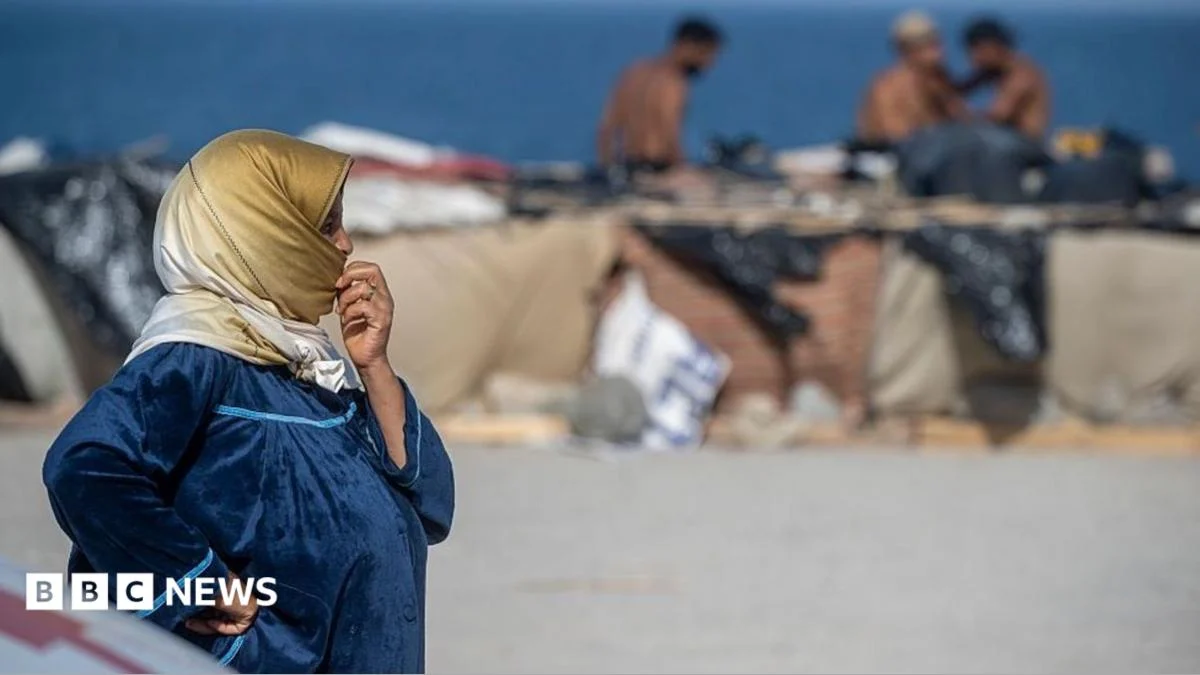
Sexual assaults are occurring almost daily in Ceuta, a Spanish exclave in North Africa, according to prosecutors. While most migrants have returned to neighboring Morocco, as many as 5,000 remain in the territory, creating ongoing challenges for local authorities.
KEY FACTS
- Prosecutors report sexual assaults happening almost every day in Ceuta.
- Most migrants have returned to neighboring Morocco.
- Up to 5,000 migrants remain in the Spanish exclave.
What is the current situation in Ceuta?
Ceuta, one of Spain’s two North African territories (along with Melilla), has long been a flashpoint for migration from Africa to Europe. The recent surge in sexual assaults reported by prosecutors highlights the ongoing humanitarian and security challenges in the territory. While numbers have decreased from earlier peaks, the remaining migrant population presents significant logistical and safety concerns for local residents and authorities.
Why are migrants remaining in Ceuta?
While most migrants have returned to Morocco, various factors keep thousands in Ceuta. These may include attempts to reach mainland Europe, family connections in the territory, or lack of viable options if returned to their countries of origin. The crowded conditions in temporary housing facilities can create situations where assaults become more likely, though the source does not provide specific details about assault locations or circumstances.
WHAT WE KNOW — AND WHAT WE DON’T
Verified by the source:
- Prosecutors confirm sexual assaults occurring almost daily in Ceuta
- Most migrants have left for Morocco
- An estimated 5,000 migrants remain in the territory
Still unconfirmed:
- Specific numbers or demographics of assault victims
- Whether victims are migrants, locals, or both
- Details about prosecutions or arrests related to the assaults
WHY IT MATTERS
Ceuta’s location makes it a critical observation point for broader migration patterns between Africa and Europe. The reported sexual violence represents both a humanitarian crisis and a security challenge for Spanish authorities, with potential implications for Spain-Morocco relations. Such conditions in EU territory raise questions about migration policy effectiveness and human rights protections.
WHAT TO WATCH
Whether Spanish authorities announce specific measures to address the sexual assault reports and ongoing migrant situation in Ceuta. Any responses from Moroccan officials regarding cross-border coordination may also indicate future developments.