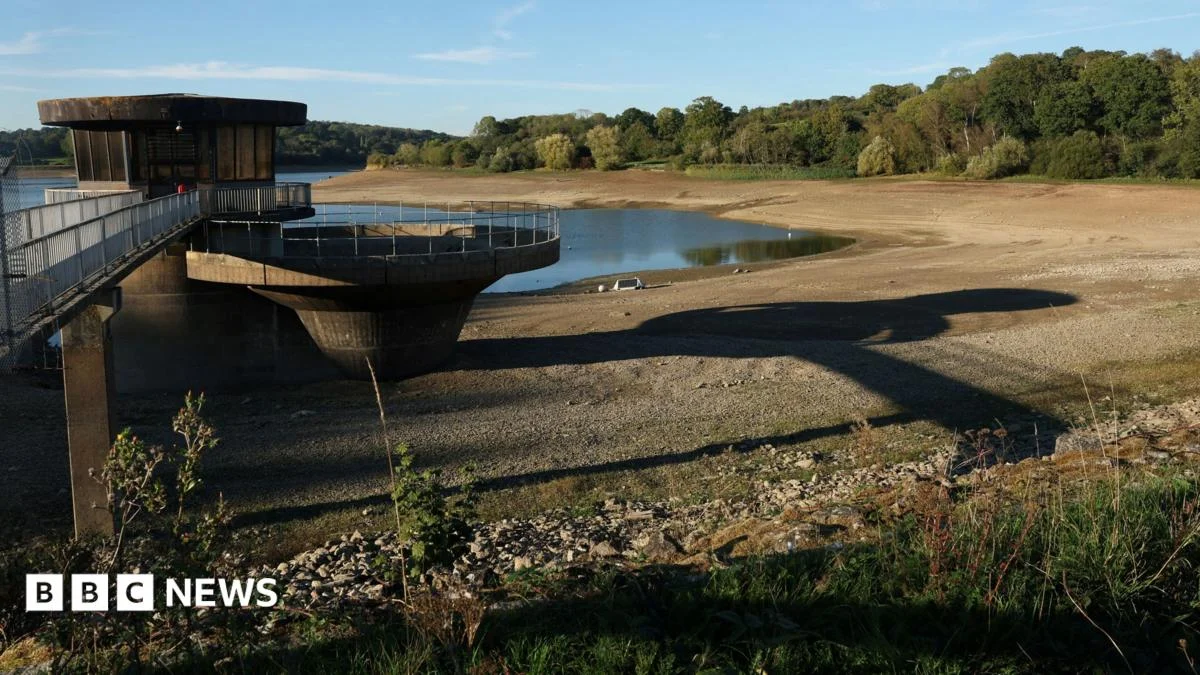
Southern England is now experiencing a severe drought in parts after reservoir levels kept falling following a hot summer and below-normal rainfall in September.
The situation reflects ongoing pressure on water resources across the region, with environmental conditions combining to strain supply systems already managing seasonal demand.
Key Facts
- Drought status: A severe drought has been declared in parts of southern England.
- Trigger: Reservoir levels continued to drop after a hot summer.
- Rainfall: Less rain than normal fell in September.
What This Means for Residents
The declaration signals that water availability has tightened significantly in affected areas. While the headline does not specify which exact regions are included or what restrictions may follow, drought classifications typically indicate that surface water sources are approaching or exceeding thresholds that warrant formal response measures.
Environment and water management agencies usually respond to dropping reservoir levels by reviewing abstraction licenses and preparing public communication plans. In past drought episodes, this step has preceded voluntary or mandatory conservation appeals aimed at reducing household and agricultural consumption.
For a general reader, the key takeaway is that reduced rainfall combined with high summer temperatures has directly impacted stored water, prompting authorities to classify portions of southern England under an official drought designation.
How We Got Here
The sequence of events described in the source begins with an unusually hot summer, which increases evaporation from reservoirs and raises overall water demand. This is followed by September rainfall totals falling below typical historical averages.
These two conditions together create a compounding effect: less incoming rain means fewer opportunities to refill reservoirs, while sustained heat keeps losses elevated. The resulting decline in stored water ultimately crosses an administrative threshold that triggers an official drought declaration.
This pattern aligns with broader climate trends affecting seasonal precipitation timing and intensity in parts of the UK, though the source provides no additional statistical or regional breakdown beyond what is summarized above.
What We Know — and What We Don’t
Verified by the source:
- A severe drought has been declared in parts of southern England.
- Reservoir levels have continued to drop.
- The drop occurred after a hot summer.
- Less rain than normal fell in September.
Still unconfirmed:
- Specific counties or water companies affected.
- Exact reservoir percentages or dates of measurement.
- Whether restrictions or conservation measures are active.
- Predicted duration of the drought condition.
- Official statements or named authorities involved.
Why It Matters
Water security affects everyday life, agriculture, and energy generation across the UK. Drought declarations often serve as early warnings that help authorities and communities prepare for potential shortages before emergencies develop. Understanding the current status helps readers follow related updates on conservation rules and long-term planning for managing limited freshwater supplies.
What To Watch
Authorities may release further guidance on water usage policies in coming weeks. Additional reporting on reservoir trends or expanded drought zones would clarify how the situation evolves.