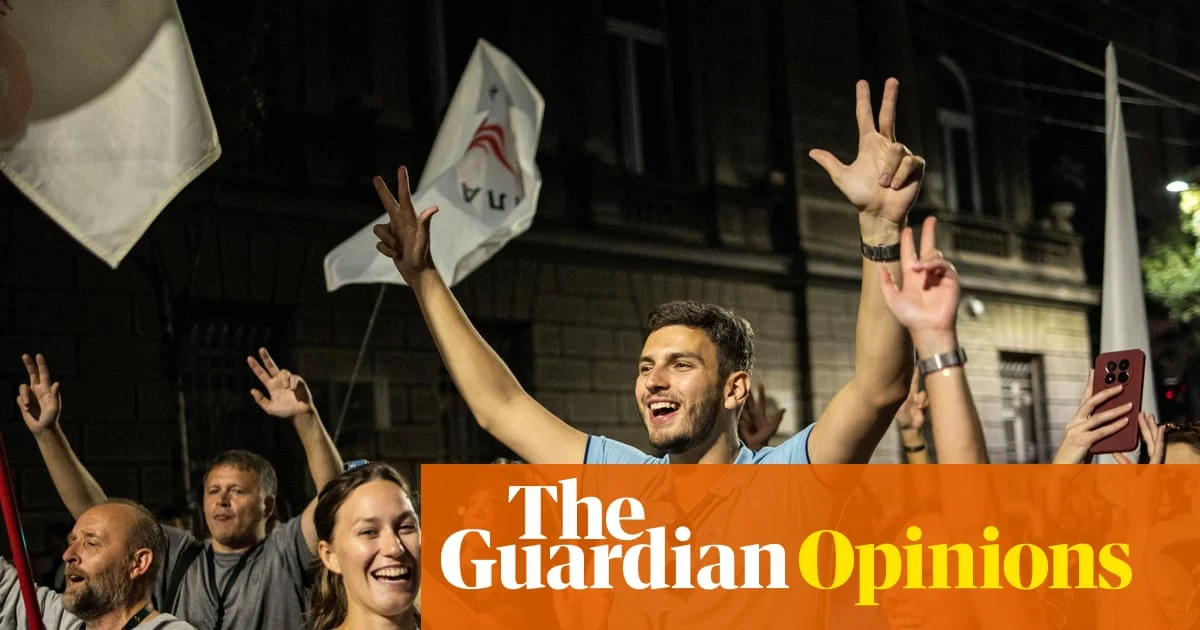
A Serbia election this Sunday could mark a generational shift in power, with student activists positioning to challenge the long-standing rule of Aleksandar Vučić. The outcome threatens to destabilize a key Balkan state and reverberate across Europe.
The vote, described as fateful by observers, comes after mass protests led by Gen Z activists who accuse Vučić of authoritarian control over the media, judiciary, and security forces — tactics reminiscent of past Serbian leaders. Vučić resigned as president to run for prime minister, aiming to shift power away from the presidency.
The parallels to 1996 protests that ousted Slobodan Milošević are notable but not deterministic. Then, large turnout and street pressure forced a reluctant leader to concede. Today, a new wave of young voters may hold the decisive voice — though the institutional landscape remains tightly controlled.
What happens next?
Student-led movements have mobilized across university towns, calling for free media access, judicial reform, and transparent elections. Their momentum has drawn comparisons to civic uprisings of the 1990s, though analysts caution that structural obstacles still favor established parties. International observers are expected to monitor polling closely.
The current political setup reflects years of centralization under Vučić, who has held multiple top offices since 2012. By moving to the prime minister’s seat — traditionally more powerful than the presidency in Serbia’s parliamentary system — he seeks to retain influence regardless of electoral outcome.
Who is affected?
Serbian citizens, particularly youth voters, form the core of the opposition bloc. Broader effects may extend to EU policy, given Serbia’s candidacy status and dependence on European funding. Neighboring states watch cautiously, mindful of regional instability if post-election disputes arise.
How did we get here?
Protests began in late 2024 following disputed local elections and allegations of voter intimidation. Over months, student groups organized strikes, sit-ins, and digital campaigns demanding structural change. Their push culminated in calls for early parliamentary voting, which authorities eventually scheduled.
The Guardian first reported that history is “beginning to rhyme,” referencing both the current contest and the broader pattern of electoral challenges met with resistance from entrenched figures. Whether this moment brings lasting democratic progress depends largely on how institutions respond amid and after the vote.
Meta description: A Serbia election could unseat strongman Vučić as Gen Z protesters gain ground ahead of Sunday’s parliamentary vote.
What We Know — and What We Don’
Verified by the source:
– Student activists appear poised to challenge Aleksandar Vučić in a Serbia election on Sunday
– Vučić resigned as president to run for prime minister, shifting focus of power
– Past strongmen like Milošević were also defeated despite media and security control
– Massive civic protests helped force Milošević from office in an earlier era
Still unconfirmed:
– Exact number of protesters or voters involved
– Whether international monitors will be present
– Specific policies proposed by either side
– Final results or official acknowledgment timeline
Why It Matters
Though based solely on commentary analysis rather than live reporting, this article situates the Serbia election within a recurring pattern of contested leadership transitions in post-Yugoslav democracies. European unity partly hinges on stable Balkan partnerships, making domestic turbulence here a concern beyond national borders.
What To Watch
The official count and subsequent reactions from state media and security apparatus will signal whether this poll follows precedent or breaks new ground.