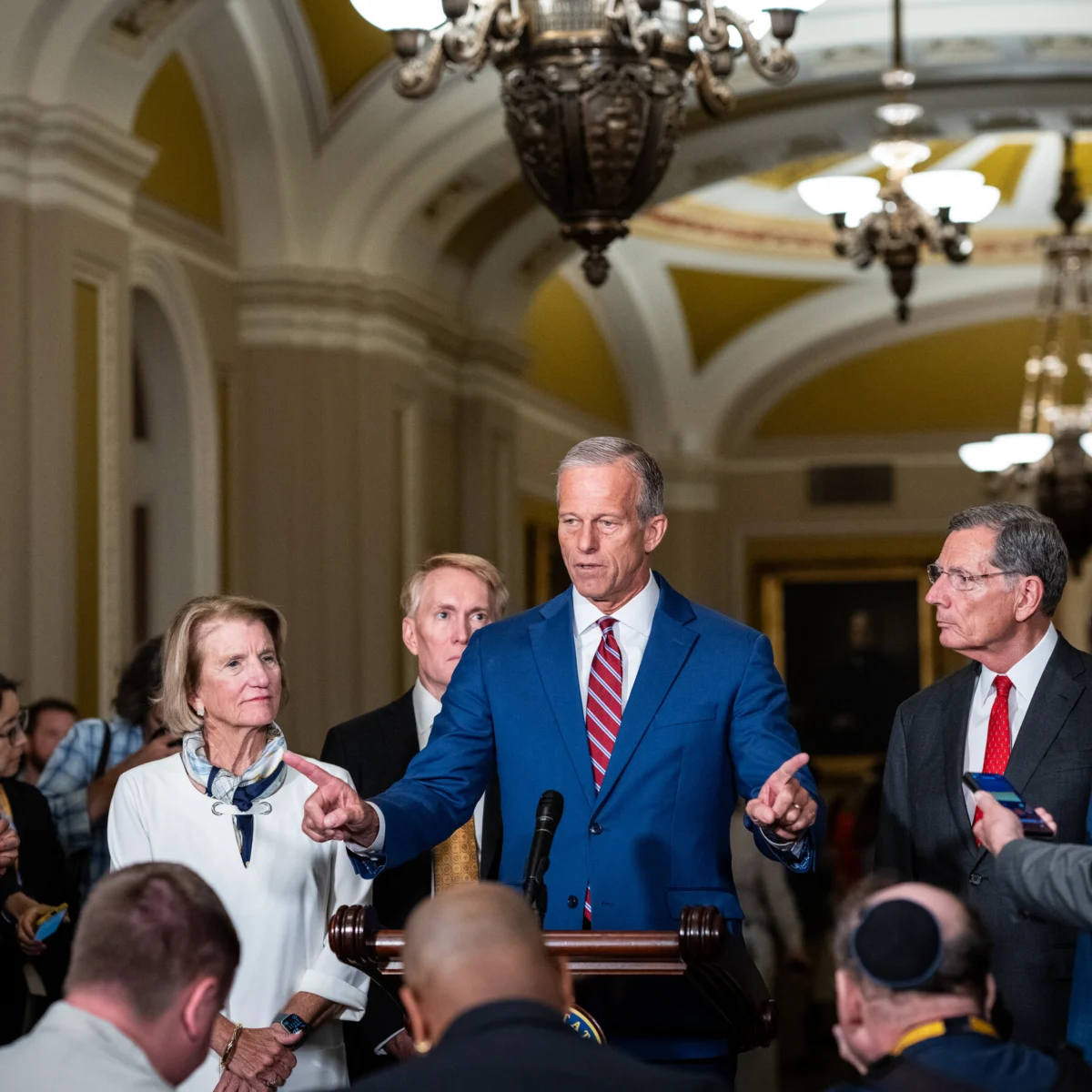
The Senate adjourned for summer without passing voting restrictions that had been a top priority for former President Donald Trump, confirming Republicans lacked the necessary votes. The outcome had been expected for weeks as bipartisan support failed to materialize.
KEY FACTS
- Republicans in the Senate lacked votes to pass voting restrictions backed by Trump.
- The bill’s failure was confirmed as the Senate adjourned for summer.
- The outcome had been apparent for weeks before the adjournment.
WHAT HAPPENED TO THE BILL?
The legislation, which sought to impose stricter voting rules, did not gain enough bipartisan support to overcome Senate procedural hurdles. Republican leaders had pushed for the changes as a response to unfounded claims of widespread voter fraud in past elections. Democrats and some moderate Republicans opposed the measures, arguing they would restrict voter access.
WHY DID IT FAIL?
The bill required 60 votes to advance under Senate rules but fell short of that threshold. Despite being a priority for Trump and Senate Republican leadership, the legislation faced unified Democratic opposition. Several moderate Republicans also expressed reservations, though none publicly broke ranks in the final count.
WHAT WE KNOW — AND WHAT WE DON’T
Verified by the source:
- The Senate adjourned for summer without passing the voting restrictions bill.
- Republicans lacked the votes needed to pass the legislation.
- The outcome had been apparent for weeks prior to adjournment.
Still unconfirmed:
- The exact vote count or which senators opposed the bill.
- Future legislative plans for similar voting restrictions.
- Trump’s direct involvement in the final negotiations.
WHY IT MATTERS
Voting rights remain a contentious issue in American politics, with Democrats generally favoring expanded access and Republicans pushing for tighter rules. This failed legislation represents a significant setback for Republicans who had made election reforms a central policy platform.
WHAT TO WATCH
Attention now turns to whether Republicans will attempt to revive similar voting restrictions after the summer recess or shift focus to other legislative priorities. The issue may resurface during upcoming midterm election campaigns.