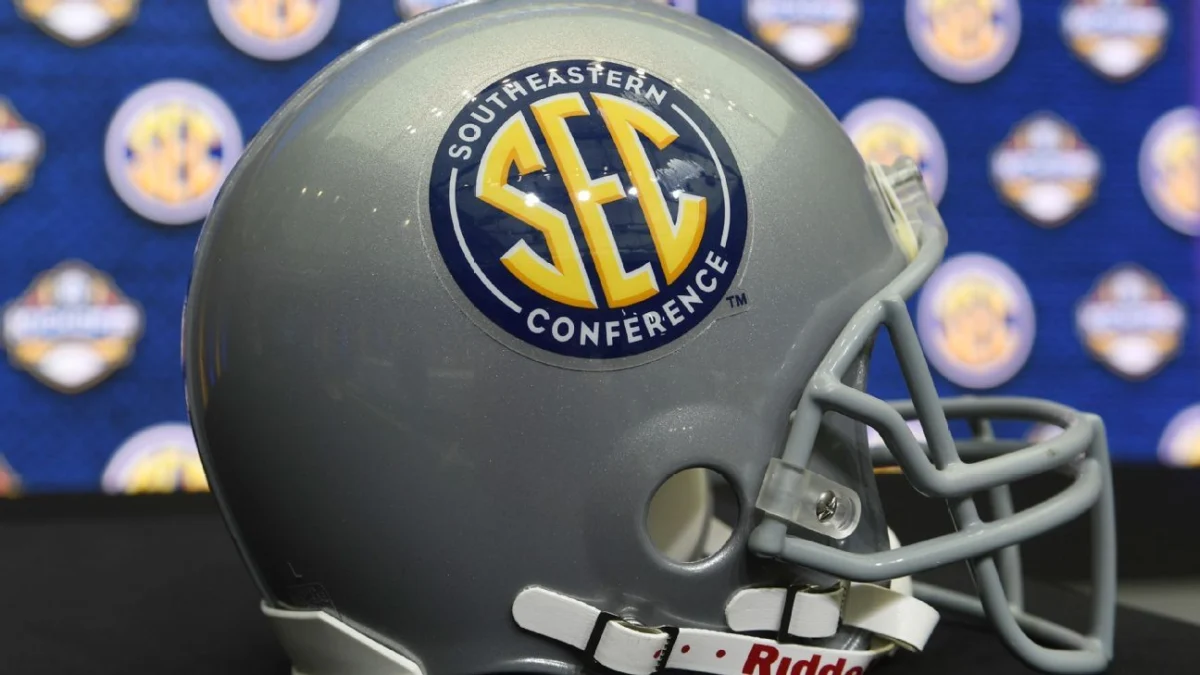
A federal judge has temporarily barred the SEC from enforcing a new rule that would impose penalties on teams using players who previously signed professional contracts in the NFL, NBA, or WNBA. The ruling grants a temporary restraining order against the SEC’s policy, which had threatened strict sanctions for universities fielding such athletes.
The decision comes amid ongoing debates about athlete eligibility and the intersection of college sports with professional leagues. While the order is temporary, it signals a potential legal challenge to the SEC’s authority to regulate player participation based on prior professional experience.
KEY FACTS
- A temporary restraining order prohibits SEC enforcement of the new rule.
- The rule targeted teams using players who signed NFL, NBA or WNBA contracts.
- The SEC had threatened stiff penalties for violations.
What does this mean for college sports?
The ruling creates uncertainty about how collegiate athletic conferences can regulate athletes with professional experience. The SEC’s attempted restriction appears aimed at maintaining traditional boundaries between amateur and professional sports, but the court’s intervention suggests these boundaries may face legal scrutiny.
College sports have seen increasing challenges to NCAA rules about athlete compensation and eligibility. This case represents another front in those battles, testing whether conferences can impose additional restrictions beyond NCAA guidelines.
What happens next?
The temporary nature of the order means this is likely just the first legal step. The SEC may appeal or seek to modify the rule to withstand judicial review. Meanwhile, teams currently under SEC jurisdiction now have clearer guidance about their ability to roster players with professional experience.
The case could influence how other conferences approach similar rules, potentially creating inconsistencies across college sports if some conferences maintain restrictions while others cannot enforce them.
WHAT WE KNOW — AND WHAT WE DON’T
Verified by the source:
- A temporary restraining order exists against the SEC rule
- The rule targeted players with NFL, NBA or WNBA contracts
- The SEC had planned penalties for violations
Still unconfirmed:
- The specific penalties the SEC planned to impose
- Which teams or players might be affected
- How long the restraining order will remain in effect
WHY IT MATTERS
This ruling touches on fundamental questions about athlete mobility between professional and collegiate sports. As college athletics faces increasing pressure to reform its amateurism model, decisions like this could accelerate changes in how programs recruit and retain athletes with diverse competitive experiences.
WHAT TO WATCH
The SEC’s response to this legal setback will indicate whether conference officials believe they can craft enforceable rules about professional experience. Future court proceedings may establish clearer precedents about conference authority in these matters.