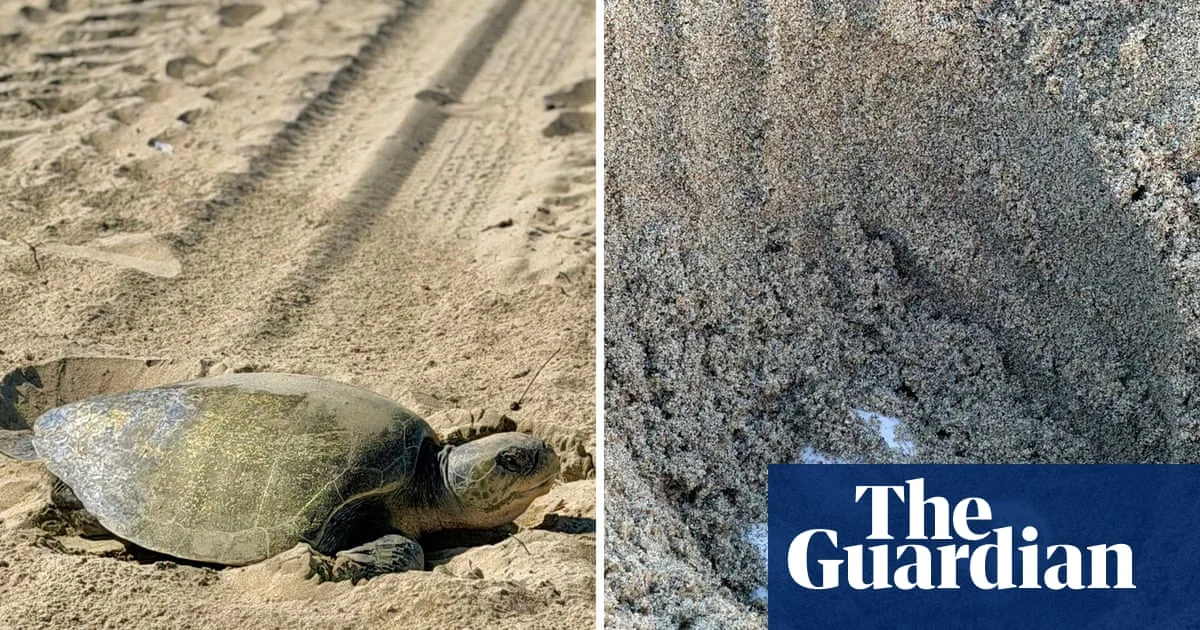
In an unusual and documented occurrence, a sea turtle was observed nesting on a California beach, representing a rare instance of sea turtle nesting in the region. The event took place at Huntington Beach, where a female olive ridley sea turtle emerged from the surf and began laying eggs in the sand, surprising onlookers. Wildlife officials confirmed the observation, noting the significance of such sightings in the context of broader shifts in marine behavior.
Key Facts
- A sea turtle nested on a California beach in a historic first.
- The turtle was identified as an olive ridley sea turtle.
- The nesting occurred at Huntington Beach.
- People witnessed the turtle laying eggs at sunset.
- A NOAA official noted the unusual nature of the event.
How Did This Happen?
The appearance of a nesting sea turtle in California waters is not entirely unprecedented, but confirmed nesting activity remains rare. Olive ridley sea turtles typically inhabit warmer waters and are more commonly found nesting along the coasts of Mexico, Central America, and the southern United States. Their migration patterns are influenced by water temperature, food availability, and ocean currents. As ocean conditions evolve, some species are gradually expanding their range poleward, making occasional appearances along the northern edges of their traditional habitat.
Who Is Affected by These Sightings?
The nesting event has drawn attention from local residents, wildlife enthusiasts, and researchers. For coastal communities, the presence of a nesting sea turtle can prompt temporary restrictions on beach access or lighting during critical periods to protect the animals. Scientists use such documented events to study shifts in marine species distribution, which may have broader implications for ecosystems and conservation strategies. Officials from NOAA and other agencies monitor these occurrences to better understand long-term trends.
What Happens Next?
Following a nesting event, conservation teams typically assess whether the nest is at risk from tides, predators, or human activity. In some cases, nests are relocated to safer areas or marked for protection until the eggs hatch, usually several weeks later. Researchers will also continue monitoring local beaches for additional sightings, as repeated nesting attempts could indicate a shifting pattern rather than an isolated incident.
What We Know — and What We Don’t
Verified by the source:
- A female olive ridley sea turtle nested at Huntington Beach.
- The event occurred around sunset over a weekend.
- Onlookers witnessed the nesting behavior.
- A NOAA stranding coordinator commented on the sighting.
Still unconfirmed:
- Whether additional nesting events will occur this season.
- The long-term factors driving the turtle’s presence in the area.
- Whether this is part of a broader trend among sea turtles in the region.
Why It Matters
Sea turtle nesting patterns serve as an indicator of marine ecosystem health and the impacts of climate-related changes on wildlife behavior. Documenting such events helps scientists track how species adapt to shifting ocean conditions.
What To Watch
Experts will continue monitoring California beaches for further nesting activity. Additional confirmed sightings could signal a gradual northward expansion of sea turtle populations.
The documented sea turtle nesting on California beaches highlights changing patterns in marine wildlife distribution. A female olive ridley sea turtle was seen laying eggs at Huntington Beach, marking a rare sea turtle nesting event in the region.
Related topics: climate-environment, war-geopolitics